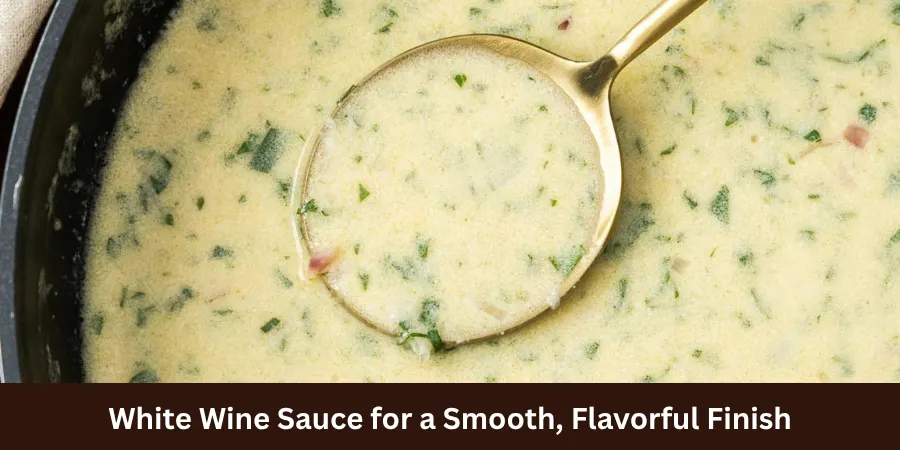
White Wine Sauce for a Smooth, Flavorful Finish
This White Wine Sauce for Pasta is a simple way to add fresh, balanced flavor to a pasta dinner without making it feel heavy.
The sauce combines butter, Parmesan, garlic, lemon, and a white-wine-style cooking liquid to create a smooth and silky texture.
Although it is inspired by traditional white wine sauces, this recipe does not use actual wine. Instead, low-sodium broth, white grape juice, and lemon create a balanced alternative with a bright and slightly fruity flavor.
White Wine Sauce-The Short Answer
This alcohol-free white-wine-style sauce brings butter, Parmesan, garlic, lemon, and pasta water together for a silky finish. The method builds balanced flavor without wine or heavy cream, making pasta brighter and more versatile.
This sauce works well for busy weeknight meals because the cooking process is quick and straightforward.
The pasta and sauce can be prepared alongside each other, with the main cooking portion taking about 15 minutes.
The richness comes from butter and Parmesan, while garlic and lemon help keep the flavor fresh.
Pasta water adds starch that helps combine the ingredients into a smooth emulsion, allowing the sauce to coat the noodles evenly.
I like serving this sauce with pasta shapes such as linguine, spaghetti, or fettuccine because they hold the silky sauce well.
It also works nicely with seafood, chicken, vegetables, or simple side dishes like sliced bread.
Unlike a heavy cream-based pasta sauce, this recipe creates a comforting meal while keeping a lighter and brighter flavor profile.
The combination of savory Parmesan, garlic, butter, and lemon makes it suitable for lunch or dinner throughout the year.
Why You’ll Love This White Wine Pasta Sauce
This white wine pasta sauce is an easy way to add rich, balanced flavor to pasta without making the dish feel too heavy.
Garlic, lemon, and Parmesan create a savory and bright flavor combination, while pasta water helps develop a smooth texture.
The recipe takes about 25 minutes from start to finish, making it a practical choice for busy days.
The sauce comes together quickly while still creating a restaurant-inspired pasta experience at home. This sauce is also versatile enough to fit different meals.
You can toss it with spaghetti, add vegetables, or include your favorite protein when you want a more filling pasta dish. It works especially well with seafood pasta or simple light meals.
The bright flavor makes it a natural pairing for vegetables and other side dishes without overpowering them.
About This White Wine Style Sauce
This white wine-style sauce is designed to create the flavor of a classic white wine pasta sauce without using actual wine.
The cooking liquid combines low-sodium broth, white grape juice, and lemon to create a balanced base.
The butter and Parmesan provide richness, while garlic adds savory depth. Lemon helps brighten the sauce and keeps the flavor balanced instead of overly rich.
The sauce is finished with pasta water, which helps combine the butter, cooking liquid, and Parmesan into a smooth emulsion.
This creates a glossy sauce that coats the pasta instead of separating.
Because the recipe uses broth, white grape juice, and lemon instead of actual wine, it should be described as an alcohol-free white-wine-style sauce rather than a traditional white wine sauce.
This makes it a practical option when you want the flavor style of a white wine pasta sauce while avoiding actual wine.
Ingredients Needed
1 tablespoon extra virgin olive oil (15 ml)
3 tablespoons unsalted butter (42 g)
1 medium shallot (75 g), finely minced
4 garlic cloves (14 g), minced
¼ teaspoon red pepper flakes (0.5 g)
½ teaspoon fine salt (3 g)
½ teaspoon freshly ground black pepper (1 g)
½ cup low-sodium vegetable broth (120 ml)
¼ cup white grape juice (60 ml)
1 teaspoon lemon juice (5 ml)
12 oz (340 g) linguine, spaghetti, or fettuccine
1½ cups pasta water (360 ml), reserved
½ cup freshly grated Parmesan cheese (50 g)
1 tablespoon fresh lemon juice (15 ml)
1 teaspoon finely grated lemon zest (2 g)
¼ cup chopped fresh parsley (15 g)
Ingredients Notes
Extra Virgin Olive Oil and Unsalted Butter
Use 1 tablespoon extra virgin olive oil and 3 tablespoons unsalted butter. Together, they create the rich base of the sauce while keeping the flavor balanced.
The olive oil helps build the foundation, while butter provides the smooth richness that defines this pasta sauce.
Unsalted butter is preferred because it allows better control over the final seasoning.
The recipe already includes broth, Parmesan, and salt, so adjusting seasoning at the end gives better balance.
Shallot
Use 1 medium shallot (75 g), finely minced. Shallot creates the aromatic base of the sauce.
It adds mild sweetness and savory depth without overpowering the garlic, Parmesan, or lemon flavors.
Garlic
Use 4 garlic cloves (14 g), minced. Garlic provides the main savory aroma of the sauce.
It is cooked briefly with the shallot and butter so it becomes fragrant while keeping a smooth flavor. Avoid browning the garlic because it can create a bitter taste that affects the finished sauce.
Red Pepper Flakes
Use ¼ teaspoon red pepper flakes (0.5 g). Red pepper flakes add a mild amount of heat and help balance the richness of the butter and Parmesan.
They should provide warmth without overpowering the bright lemon flavor.
Salt and Black Pepper
Use:
• ½ teaspoon fine salt (3 g)
• ½ teaspoon freshly ground black pepper (1 g)
Salt enhances the overall flavor of the sauce, while black pepper adds gentle seasoning and depth.
The salt is divided in the recipe so part can season the aromatic base and the remaining amount can be adjusted at the end if needed.
Low-Sodium Vegetable Broth
Use ½ cup low-sodium vegetable broth (120 ml). The broth creates the savory base of the white-wine-style cooking liquid. Using low-sodium broth allows better control over the final salt level.
White Grape Juice
Use ¼ cup white grape juice (60 ml). White grape juice replaces actual white wine in this recipe.
It adds mild sweetness and fruit flavor while helping create the white-wine-style character of the sauce.
Lemon Juice and Lemon Zest
Use:
• 1 teaspoon lemon juice (5 ml) for the initial reduction
• 1 tablespoon fresh lemon juice (15 ml) for finishing
• 1 teaspoon lemon zest (2 g)
Lemon provides acidity and brightness that balance the richness of butter and Parmesan. The zest adds fresh citrus aroma while the juice helps create a balanced final flavor.
Pasta
Use 12 oz (340 g) linguine, spaghetti, or fettuccine. These long pasta shapes work well because they hold the silky sauce and allow it to coat the noodles evenly.
The recipe creates four servings of about 85 g dry pasta per serving. Before draining, reserve 1½ cups (360 ml) pasta water.
Pasta Water
Reserve 1½ cups (360 ml) pasta water before draining the noodles. The starch from the pasta water helps combine the butter, cooking liquid, and Parmesan into a smooth emulsion.
Only about ¼–½ cup (60–120 ml) is usually needed. Add it gradually while tossing the pasta so the sauce reaches the right glossy consistency without becoming watery.
Parmesan Cheese
Use ½ cup freshly grated Parmesan cheese (50 g). Parmesan adds savory depth, richness, and helps create the creamy texture of the sauce.
Add the cheese after removing the pan from heat. This helps it melt smoothly and prevents the sauce from becoming grainy.
Fresh Parsley
Use ¼ cup chopped fresh parsley (15 g). Parsley adds freshness, color, and a light herbal contrast to the rich butter and Parmesan sauce.
Add it at the end along with lemon zest and finishing seasonings for the freshest flavor.
How to Make White Wine Sauce for Pasta
Step 1: Prepare the Sauce Base
Heat a large saucepan over medium heat. Add the extra virgin olive oil and unsalted butter.
Once the butter melts, add the finely minced shallot with a small amount of salt. Cook the shallot gently until it becomes soft and translucent.
This creates the aromatic base of the sauce while allowing the shallot flavor to develop without becoming overpowering. Add the minced garlic and red pepper flakes.
Cook for 60–90 seconds, stirring often so the garlic does not burn. The garlic should become fragrant while maintaining a smooth savory flavor.
Step 2: Create the White Wine Style Cooking Liquid
Add the low-sodium vegetable broth and white grape juice to the saucepan. Bring the mixture to a steady simmer.
Continue cooking until the liquid reduces to approximately 120–135 ml. This reduction concentrates the flavor and creates the base of the sauce without using actual wine.
Add the initial lemon juice and stir briefly. The lemon adds brightness and helps balance the savory and slightly fruity flavors of the cooking liquid.
Step 3: Cook the Pasta
While the sauce reduces, bring a separate pot of water to a boil. Cook the linguine, spaghetti, or fettuccine according to the package directions.
Remove the pasta 1–2 minutes before the recommended cooking time. The pasta should remain slightly underdone because it will finish cooking in the sauce.
Before draining, reserve 1½ cups (360 ml) pasta water. The pasta water provides starch that helps combine the sauce ingredients into a smooth emulsion.
Step 4: Finish the Pasta in the Sauce
Transfer the cooked pasta directly into the saucepan with the reduced cooking liquid. Toss the pasta continuously while adding reserved pasta water gradually.
Usually, only ¼–½ cup (60–120 ml) of pasta water is needed. Add it slowly while mixing so the sauce coats the noodles evenly without becoming too thin.
The starch from the pasta water combines with the butter and cooking liquid to create a silky sauce that clings to the pasta.
Linguine is the best overall choice for this sauce, although other long pasta shapes also work well.
Good options include:
• Fettuccine
• Spaghetti
• Bucatini
• Angel hair
Step 5: Add Parmesan and Finish the Sauce
Once the pasta is evenly coated, remove the pan from heat. Add the freshly grated Parmesan cheese.
Toss the pasta for 30–45 seconds until the cheese melts and the sauce becomes glossy. Adding Parmesan off the heat helps it incorporate smoothly and reduces the chance of clumping.
Add:
• Remaining lemon juice
• Lemon zest
• Fresh parsley
• Remaining black pepper
Taste the sauce and adjust seasoning if needed. If the sauce becomes too thick, add a small amount of reserved pasta water and toss again.
Avoid adding all the pasta water at once. Gradual additions help maintain the silky texture while preventing the sauce from becoming watery.
Step 6: Serve the White Wine Style Pasta Sauce
Finish the pasta with:
• Fresh parsley
• Lemon zest
• Parmesan
• Freshly ground black pepper
The finished sauce should look glossy, coat the pasta evenly, and have no large pool of liquid underneath. The flavors of butter, Parmesan, garlic, and lemon should remain balanced.
Because this recipe uses broth, white grape juice, and lemon instead of actual wine, it should be described as an alcohol-free white-wine-style sauce.
Optional Serving Variations
The same sauce base can also be served with:
• Chicken
• Shrimp
• Scallops
For a vegetable variation, add asparagus to the pasta water during the final 2 minutes of cooking.
Drain it with the pasta and fold it into the finished sauce. Fresh basil and lemon zest can add extra freshness.
Nutritional yeast is better reserved for the optional vegan variation rather than the base recipe. A creamy version can also be made by adding heavy cream as an optional variation.
Variations & Substitutions
Creamy White Wine Style Sauce
For a creamier version, add ¼ cup heavy cream at room temperature after the cooking liquid has reduced to about 120–135 ml.
Add the cream before the initial lemon juice and gently simmer for 1–2 minutes until the sauce slightly thickens.
The cream creates a smoother texture while still allowing the butter, Parmesan, and lemon flavors to remain noticeable.
A finely chopped shallot added at the beginning can also provide extra flavor depth. Finish with a small amount of fresh lemon juice if needed to keep the sauce balanced and bright.
Add Protein
This sauce works well with different proteins when you want a more filling meal.
Good options include:
• Shrimp
• Chicken
• Mushrooms
• Scallops
The pasta preparation remains the same. Reserve pasta water before draining and add it gradually while tossing the pasta so the sauce reaches the right consistency.
Add Vegetables
Asparagus is a useful vegetable variation for this recipe. Add it to the pasta water during the final 2–3 minutes of cooking.
Drain the asparagus with the pasta and fold it into the finished sauce. This keeps the vegetable tender while allowing it to blend with the silky sauce.
Vegan Variation
For a vegan version:
Replace:
• 42g vegan butter instead of butter
• 25g nutritional yeast plus 25g finely grated vegan hard cheese instead of Parmesan
This is a suggested substitution rather than a tested version.
The result may be less rich and glossy because vegan alternatives do not melt and emulsify exactly like butter and Parmesan.
Storage
Store leftover white wine-style pasta sauce in an airtight container. Refrigerate for up to 3 days.
After refrigeration, the sauce may become thicker because the pasta starch and Parmesan continue to affect the texture. Check the consistency before reheating.
Reheating Instructions
Reheat the sauce gently over low heat. Add 1–2 tablespoons of water or pasta water if needed.
Toss gently until the sauce loosens and becomes warm. Avoid high heat because gentle reheating helps maintain the smooth texture of the sauce.
If using a microwave, heat in short intervals. Stir after each interval until the sauce is warmed through.
Tips
Keep the Ingredients Simple
A silky sauce depends on balancing a few simple ingredients. Garlic can be fresh minced or jarred, while butter creates the rich base of the sauce.
Both salted and unsalted butter can work, although unsalted butter gives better control over seasoning.
Remember that this recipe is a white-wine-style sauce. It uses low-sodium broth, white grape juice, and lemon instead of actual wine.
Use Pasta Water Correctly
Pasta water is one of the most important parts of creating the sauce texture. The starch helps combine the butter, cooking liquid, and Parmesan into a smooth emulsion.
Add pasta water gradually while tossing the pasta. This helps the sauce cling to the noodles instead of separating.
Avoid Overheating the Sauce
Keep the cooking liquid at a gentle reduction rather than a strong boil. Aggressive boiling can affect the smooth texture of the sauce.
Once Parmesan is added, remove the pan from heat and stir until it is fully incorporated. This helps prevent the cheese from clumping or becoming grainy.
Fixing Sauce Consistency
If the sauce becomes too thick, add a small splash of reserved pasta water. Toss until it loosens and becomes silky again.
If the sauce is too loose, continue simmering briefly until it reaches the desired consistency.
The base recipe does not require cream because pasta starch, butter, cooking liquid, and Parmesan create the smooth texture naturally.
Notes
This white wine-style sauce is best served fresh because the pasta starch and Parmesan create the smooth emulsion that gives the sauce its silky texture.
If preparing ingredients ahead, you can chop the shallot, garlic, parsley, and grate the Parmesan before cooking.
For the best texture, prepare the finished sauce close to serving time.
The sauce may become thicker after refrigeration because the pasta starch and Parmesan continue to affect the consistency.
When reheating, add a small amount of water or pasta water and gently toss until the sauce loosens.
Avoid reheating over high heat because the sauce can lose its smooth texture. This recipe uses broth, white grape juice, and lemon instead of actual wine.
It should be described as an alcohol-free white-wine-style sauce rather than a traditional sauce made with white wine.
The sauce pairs well with pasta but can also be served with shrimp, scallops, chicken, or salmon.
If adding cooked protein, fold it into the pasta during the final tossing stage so it warms through without overcooking.
Nutrition Information
The nutrition values are calculated based on the base recipe.
One serving equals ¼ of the finished recipe and provides approximately:
• 504 kcal
• 71g carbohydrates
• 17g protein
• 17g total fat
• 8g saturated fat
• 4g fiber
• 5g sugar
These figures do not include optional variations such as:
• Heavy cream
• Mushrooms
• Asparagus
• Shrimp
• Vegan substitutions
The exact values may vary depending on the pasta, Parmesan, broth, and ingredient brands used.
Frequently Asked Questions
Can I Make This White Wine Pasta Sauce Vegan?
Yes. Replace the butter with vegan butter and use nutritional yeast with a plant-based hard cheese alternative instead of Parmesan.
The sauce can still become silky when combined with pasta water. However, the vegan version will be less rich and glossy because these ingredients do not melt in the same way as butter and Parmesan.
Does This White Wine Sauce Contain Alcohol?
No. This recipe is an alcohol-free white-wine-style sauce.
It uses vegetable broth, white grape juice, and lemon juice instead of actual wine. Because no wine is used in the recipe, there is no alcohol to cook off.
How Do I Fix a Sauce That Split?
Lower the heat and add a small splash of pasta water. Stir gently until the sauce comes back together. Gradual pasta-water additions help restore the emulsion without making the sauce watery.
Can I Make This Sauce Ahead of Time?
You can prepare the ingredients ahead, including:
• Shallot
• Garlic
• Parmesan
• Parsley
It is better to prepare the finished sauce fresh. The pasta starch and Parmesan emulsion can become thicker after refrigeration. For the best texture, serve the sauce soon after preparing it.
How Do I Reheat White Wine Sauce?
Reheat the sauce gently over low heat. Add a small amount of water or pasta water if it has become too thick.
Toss gently until the sauce loosens and is heated through. Avoid high heat to help maintain the smooth consistency.
What Pasta Works Best With White Wine Sauce?
Long pasta works especially well with this sauce. Linguine is the best overall choice, while spaghetti and fettuccine are also good options.
These pasta shapes allow the silky sauce to coat the noodles evenly.
How Do You Thicken White Wine Pasta Sauce?
This recipe does not require flour to thicken the sauce. The main tools for creating the texture are pasta water and pasta starch.
Add pasta water gradually while tossing until the sauce becomes glossy and coats the pasta evenly.
What Flavor Does White Wine Add to White Wine Pasta Sauce?
This recipe does not use actual white wine. White grape juice provides mild sweetness, while lemon juice adds acidity. Together with the broth, these ingredients create a balanced white-wine-style flavor that is slightly sweeter and less complex than a sauce made with real white wine.