Orange Sauce for Takeout-Style Chicken Sauce
This homemade orange sauce adds a sweet, tangy, and savory flavor to everyday meals. Fresh orange juice brings citrus brightness, while soy sauce, garlic, and ginger add depth and balance.
Serve it with chicken, fish, shrimp, rice, or stir-fried vegetables for a takeout-style meal. Making sauce at home gives you more control over its sweetness and ingredients.
To make it vegan, replace honey with maple syrup. It is easy to customize for quick weeknight dinners.
Orange Sauce-The Short Answer
Why This Recipe Works
This homemade orange sauce combines fresh orange juice, honey, soy sauce, and rice vinegar for a sweet, tangy, and savory flavor. Orange zest adds a stronger citrus aroma, while garlic and ginger bring warmth and depth.
The sauce takes about 10–18 minutes, depending on preparation time. Add sweet chili sauce or red chili flakes for a little heat, or leave them out for a milder flavor.
Serve it with chicken, tofu, rice bowls, stir-fries, and vegetables. It also works as a dipping sauce for spring rolls.
For a gluten-free version, use gluten-free tamari and check packaged ingredient labels. For a vegan version, replace honey with maple syrup and ensure the remaining ingredients are plant-based.
Ingredients Needed
- ½ cup orange juice (120 ml)
- ½–1 teaspoon finely grated orange zest (optional)
- 1 tablespoon honey
- 1½ tablespoons unseasoned rice vinegar
- 1 tablespoon soy sauce
- 1 small garlic clove, minced
- ½ teaspoon freshly grated ginger
- ¼ cup water (60 ml)
- ½ teaspoon sesame oil
- 1 teaspoon sweet chili sauce (optional)
- ⅛ teaspoon red pepper flakes (optional)
- 2 teaspoons cornstarch
- 1 tablespoon cold water
Ingredients Notes
Orange Juice
Freshly squeezed orange juice gives the sauce its natural sweetness and bright citrus flavor. Use ½ cup (120 ml) from about two medium oranges, or use unsweetened store-bought orange juice if needed.
Orange Zest
Add ½–1 teaspoon finely grated orange zest for a stronger citrus aroma. Avoid the bitter white pith, which can affect the sauce’s flavor. Grate the zest before juicing the oranges, because a juiced orange is difficult to grate.
Honey
Honey adds sweetness without overpowering the orange flavor. Use 1 tablespoon, or replace it with 1 tablespoon maple syrup for a vegan version.
Rice Vinegar
Use 1½ tablespoons unseasoned rice vinegar to balance the sweetness with mild acidity. Avoid seasoned rice vinegar because it may contain added sugar and salt.
Soy Sauce
Soy sauce adds saltiness and umami. Use 1 tablespoon for savory depth, or replace it with gluten-free tamari for a gluten-free version.
Coconut aminos are a soy-free alternative, but they are usually sweeter and less salty. When using them, reduce the honey and taste the sauce. If it tastes flat, add a pinch of salt and taste again.
Garlic and Ginger
Use 1 small minced garlic clove and ½ teaspoon freshly grated ginger. Garlic adds savory depth, while ginger brings warmth and aroma.
Water
Add ¼ cup (60 ml) water to balance the sauce and help create the desired consistency.
Sesame Oil
Use ½ teaspoon sesame oil for a subtle nutty flavor. Stir it into the sauce after removing the pan from the heat to preserve its delicate aroma.
Sweet Chili Sauce or Red Pepper Flakes
For mild heat, add 1 teaspoon sweet chili sauce or ⅛ teaspoon red pepper flakes. Both are optional, so choose according to your taste or leave them out for a milder sauce.
Cornstarch
Use 2 teaspoons cornstarch to thicken the sauce. Mix it with 1 tablespoon cold water to make a smooth slurry before adding it to the simmering liquid.
Add the slurry gradually and cook until the sauce becomes smooth and glossy.
Step By Step Instructions for Orange Sauce Recipe
Step 1: Combine the Ingredients
In a small saucepan, combine ½ cup orange juice, ¼ cup (60 ml) water, 1 tablespoon honey, 1 tablespoon soy sauce, 1½ tablespoons rice vinegar, 1 minced garlic clove, and ½ teaspoon grated ginger. Add ½–1 teaspoon orange zest for a stronger citrus flavor, avoiding the bitter white pith.
For mild heat, add 1 teaspoon sweet chili sauce or ⅛ teaspoon red pepper flakes. Whisk everything together until the honey blends into the liquid.
Step 2: Simmer the Sauce
Place the saucepan over medium heat and stir frequently until small bubbles appear. Reduce the heat to medium-low and let the sauce simmer gently for 2–3 minutes.
This allows the flavors to blend without too much liquid evaporating. Avoid a vigorous boil because excessive reduction can make the sauce too strong or salty.
Step 3: Prepare and Add the Cornstarch Slurry
In a separate small bowl, whisk 2 teaspoons cornstarch with 1 tablespoon cold water until smooth. Stir the slurry again just before using it because the cornstarch can settle at the bottom.
Slowly pour it into the simmering sauce while whisking continuously. This helps thicken the sauce and prevents lumps.
Step 4: Thicken the Sauce
Continue whisking for 30–60 seconds, then let the sauce simmer gently for another 30–60 seconds until glossy and slightly thickened.
Remove the pan from the heat and stir in ½ teaspoon sesame oil to preserve its delicate, nutty aroma.
Step 5: Check the Consistency
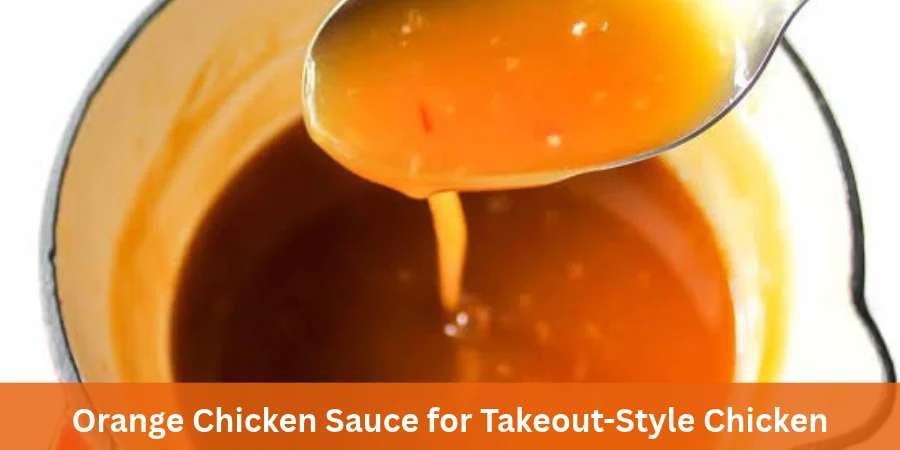
The sauce should coat the back of a spoon while still flowing smoothly. It will thicken a little more as it cools.
If it becomes too thick, add water a teaspoon at a time and whisk until smooth. If it is too thin, simmer gently for another 30–60 seconds. You can also prepare a little extra cornstarch slurry and add it gradually, cooking briefly after each addition.
Step 6: Serve the Orange Sauce
Serve the sauce as a glaze for grilled chicken, pork, or shrimp. You can also toss it with tofu and roasted vegetables, drizzle it over rice bowls, or serve it as a dipping sauce for spring rolls.
Add the sauce gradually when mixing it with food to avoid making the dish too sweet or wet. Taste before serving and adjust the amount to your preference. If the sauce has touched raw chicken, do not serve it as a dipping sauce; use a separate, clean portion of sauce instead.
Step 7: Store the Leftovers
Allow the sauce to cool before transferring it to a clean, airtight container. Refrigerate it and use it within 3–5 days.
To reheat, warm the sauce in a small saucepan over low to medium-low heat, stirring frequently. If it has thickened during storage, add a teaspoon of water or orange juice at a time until it reaches the desired consistency. Avoid bringing it to a vigorous boil.
Step 8: Adjust for Dietary Preferences
For a vegan variation, replace honey with maple syrup and check that the soy sauce and optional sweet chili sauce are suitable for a vegan diet.
For a gluten-free version, use gluten-free tamari instead of regular soy sauce and check packaged ingredient labels. You can also adjust the sweetness according to your orange juice. If the sauce tastes too sweet, stir in ½ teaspoon rice vinegar and taste before adding more.
Expert Tips for the Perfect Sauce
The right amount of cornstarch depends on how you plan to use the orange sauce. The main recipe uses 2 teaspoons cornstarch mixed with 1 tablespoon cold water.
For a thinner sauce, reduce the cornstarch to 1½ teaspoons. For a thicker glaze, start with the original amount and add another ½ teaspoon cornstarch mixed with 1 teaspoon cold water if needed.
Always mix cornstarch with cold water in a separate bowl before adding it to the sauce. Stir until smooth and mix again just before use because the starch can settle.
Add the slurry near the end of cooking while whisking the gently simmering sauce. Avoid adding dry cornstarch directly to hot liquid because it can form lumps.
Let the sauce simmer briefly until glossy. Remember that it may thicken further as it cools. If it becomes too thick, add a little water and whisk until smooth.
Storage Life
You can prepare this orange sauce ahead of time for quick meals during the week. Once cooled, transfer it to a clean, airtight, food-safe container.
Refrigerate the sauce for 3–5 days. Brush it over chicken or drizzle it over roasted vegetables for a fresh citrus flavor.
For longer storage, freeze the sauce in a freezer-safe airtight container for up to 3 months. Leave a little space for expansion and label the container with the freezing date.
Thaw the sauce in the refrigerator for best results. Reheat it gently in a saucepan over low to medium-low heat, stirring frequently. You can also use a microwave-safe bowl and heat it in short intervals, stirring between each interval. Freezing may change the texture of the sauce, so whisk it as it warms up.
If the sauce becomes too thick, add a small splash of water and stir until smooth. It will naturally thicken as it cools, so adjust the consistency as needed during reheating.
What Does Orange Sauce Taste Like?
Orange sauce has a sweet and tangy flavor with bright citrus notes and mild acidity. Fresh orange juice and honey provide sweetness, while rice vinegar adds tanginess and soy sauce adds a savory, slightly salty contrast.
Garlic and ginger bring warmth and depth without overpowering the orange flavor. Together, these ingredients create a sauce that complements many savory dishes.
The sauce should have a smooth, glossy consistency that coats food without becoming too thick or paste-like. This version gets its fruity flavor from oranges.
You can adjust the sweetness and acidity to suit your taste. Avoid adding too much orange zest because it may make the sauce bitter. If you use tamari instead of soy sauce, check the label to ensure it is gluten-free when needed.
Orange sauce pairs well with chicken, fish, and white rice. Drizzle it over cooked chicken or fish for a bright citrus finish, or serve it with rice and vegetables for a simple meal.
Notes
For a stronger orange flavor, add ½ teaspoon finely grated orange zest during the initial heating stage.
Orange zest is concentrated, so use it carefully. Too much can overpower the ginger and soy sauce or make the sauce bitter. Taste before adding more to maintain a balanced flavor.
For a gluten-free sauce, replace regular soy sauce with tamari and check the label to ensure it is gluten-free.
If the sauce is too thin, simmer it for another 30–60 seconds. If it remains thin, add a little cornstarch slurry made with cornstarch and cold water.
If the sauce is too thick, whisk in a little water until it reaches the desired consistency. The main recipe uses 2 teaspoons cornstarch. Reduce it to 1½ teaspoons for a thinner sauce or add another ½ teaspoon mixed with 1 teaspoon cold water for a thicker glaze.
Avoid adding dry cornstarch directly to hot liquid because it can form lumps. Adjust the amount gradually, as the sauce will continue to thicken while cooling. Let it rest briefly before checking the consistency again.
Nutritional Info
A serving of 1 tablespoon (15 ml) contains approximately:
| Nutrient | Amount |
| Calories | 10–13 kcal |
| Carbohydrates | 2–3 g |
| Protein | Less than 1 g |
| Total fat | Less than 1 g |
| Sugar | Around 2 g |
| Sodium | 55–70 mg |
These values are estimates based on a yield of approximately 1 cup (16 tablespoons) and the use of regular soy sauce.
Actual nutritional values may vary depending on the orange juice, honey, soy sauce, serving size, and final yield. Adding sweet chili sauce may also increase the sugar and sodium content. This is a general estimate rather than a verified nutritional analysis.