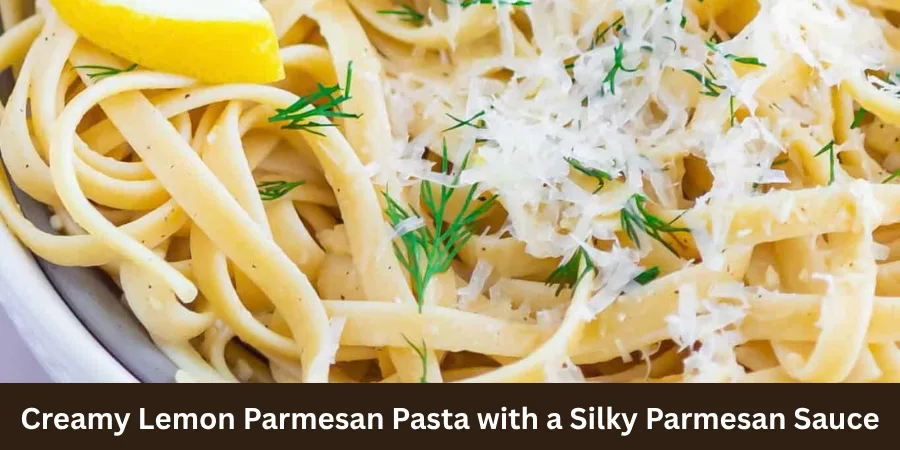
Creamy Lemon Parmesan Pasta with a Silky Parmesan Sauce
Lemon Parmesan Pasta is a simple pasta dish that brings together fresh lemon, garlic, butter, olive oil, and Parmesan cheese for a bright and comforting meal.
This recipe creates a light yet satisfying sauce with fresh citrus flavor and savory depth.
The lemon adds brightness, while garlic and Parmesan provide richness without overpowering the fresh character of the dish. The secret to this pasta’s smooth sauce is the combination of butter, finely grated Parmesan, and reserved pasta water.
Creamy Lemon Parmesan Pasta-The Short Answer
Lemon Parmesan Pasta combines garlic, fresh lemon, butter, and Parmesan to create a silky sauce without heavy cream. Learn how pasta water brings everything together for a quick, flavorful dinner in just 25 minutes.
The starch from the pasta water helps the butter and cheese blend together, creating a silky sauce that coats the noodles evenly.
Gently cooking the garlic in olive oil helps release its flavor while preventing bitterness.
Fresh lemon zest adds a fragrant citrus aroma, while adding lemon juice after the Parmesan helps maintain its bright flavor and makes it easier to adjust the acidity.
This Lemon Parmesan Pasta is a practical choice for a quick weeknight dinner or a relaxed special meal.
It comes together in about 20–25 minutes and uses simple ingredients without requiring a heavy cream-based sauce. Spaghetti works especially well, but linguine and fettuccine are also suitable options.
Finish the pasta with freshly chopped parsley, black pepper, and extra Parmesan for additional flavor.
Serve immediately while the sauce is warm and glossy. The result is a comforting pasta dish that is easy to prepare and enjoyable to share.
About This Recipe
This Lemon Parmesan Pasta is a simple stovetop recipe that combines fresh lemon, garlic, butter, olive oil, and Parmesan cheese into a balanced sauce.
It takes about 20–25 minutes to prepare and makes two generous main-course servings.
The recipe works well for busy weeknights, family dinners, or occasions when you want a flavorful meal without complicated preparation.
The ingredients are simple, and the cooking process focuses on creating a smooth sauce through proper technique.
Fresh lemon zest adds a fragrant citrus aroma, while lemon juice provides acidity that balances the richness of butter and Parmesan.
Garlic adds savory depth, and finely grated Parmesan helps create the smooth texture of the sauce. The key technique is using reserved pasta water to help the butter and cheese combine.
Adding Parmesan gradually over low heat helps reduce clumping, while stirring in the lemon juice after removing the pan from heat helps maintain the fresh citrus flavor.
For the best texture, cook the spaghetti until it is slightly firm, then finish it in the sauce until the noodles are evenly coated.
If the sauce becomes too thick, add reserved pasta water gradually until it reaches the desired consistency.
You can adjust the lemon and garlic according to your preference, making this a flexible pasta recipe for a quick dinner or a relaxed meal with company.
Why You’ll Love This Recipe
Lemon Parmesan Pasta is a quick and easy dinner that takes about 20–25 minutes from start to finish.
Fresh lemon creates a bright, tangy flavor, while Parmesan adds a rich and savory finish.
Together, these ingredients create a flavorful pasta dish without requiring heavy cream or complicated steps.
The sauce stays light while still providing a comforting texture. This pasta is also easy to customize with additional ingredients.
You can add cooked chicken, shrimp, spinach, or peas to create a more filling meal while keeping the lemon and Parmesan flavors balanced.
With simple preparation and minimal cooking time, this recipe is a convenient option when you want a satisfying meal without spending too long in the kitchen.
Ingredients Needed
- 200 g dried spaghetti
- 40 g unsalted butter
- 15 ml olive oil
- 3 medium garlic cloves, minced
- 2 g lemon zest
- 15 ml fresh lemon juice
- 45 g finely grated Parmesan cheese
- 10 g fresh Italian parsley, finely chopped
- ⅛ teaspoon (0.3 g) freshly ground black pepper, or to taste
- ¼ teaspoon (0.5 g) red pepper flakes, optional
- 2 liters water, for boiling the pasta
- 12 g salt (about 2 teaspoons fine table salt), for the pasta water
- Salt, to taste, for final seasoning only if needed
- 1½ cups reserved pasta water (½ cup for the sauce base + 1 cup reserved when draining)
Ingredients Notes
Dried Spaghetti
Use 200 g dried spaghetti. Spaghetti is the main pasta choice for this recipe because its long shape allows the silky lemon Parmesan sauce to coat the noodles evenly.
Linguine and fettuccine are also suitable options. The important part is reserving pasta water before draining because the starch helps create the smooth sauce texture.
Unsalted Butter
Use 40 g unsalted butter. Butter provides richness and helps create the smooth base of the sauce when combined with Parmesan and pasta water.
Unsalted butter allows better control over the final seasoning because Parmesan and salted pasta water already contribute salt to the dish.
Olive Oil
Use 15 ml olive oil. Olive oil is used to gently cook the garlic and helps release its flavor without allowing it to become bitter.
It also helps create the initial base before the butter and pasta water are added.
Garlic
Use 3 medium garlic cloves, minced. Garlic adds the savory depth that balances the fresh lemon flavor.
Cook the garlic gently over medium-low heat until fragrant. Avoid browning the garlic because it can create a bitter taste that affects the finished sauce.
Lemon Zest
Use 2 g lemon zest. Lemon zest adds a fresh citrus aroma and enhances the bright flavor of the pasta.
Zest the lemon before juicing it, and avoid the white pith because it can taste bitter.
Fresh Lemon Juice
Use 15 ml fresh lemon juice. Lemon juice adds acidity and balances the richness of butter and Parmesan.
Add the lemon juice after the Parmesan and remove the pan from heat. This helps preserve the fresh citrus flavor and makes it easier to adjust the acidity.
Parmesan Cheese
Use 45 g finely grated Parmesan cheese. Parmesan provides savory flavor and helps create the smooth, glossy texture of the sauce.
Freshly grated Parmesan generally melts more easily than pre-grated cheese. Add it gradually over low heat to help prevent clumping.
Reserved Pasta Water
Use 1½ cups reserved pasta water in total. Ladle out ½ cup from the pot for the sauce base while the spaghetti is in its final minutes of cooking, and reserve 1 cup more before draining the spaghetti. The starch in pasta water helps the butter and Parmesan combine into a light sauce that coats the pasta.
Add the water gradually while tossing the pasta. This helps create a smooth emulsion without making the sauce watery.
Fresh Italian Parsley
Use 10 g finely chopped fresh Italian parsley. Parsley adds freshness, color, and a light herbal contrast to the rich butter and Parmesan flavors.
Add it near the end of cooking to maintain its fresh flavor.
Black Pepper
Use about ⅛ teaspoon (0.3 g) freshly ground black pepper, or to taste. Black pepper adds mild warmth and enhances the lemon and Parmesan flavors. Finish the pasta with black pepper after the sauce comes together.
Salt
Use 12 g salt, which is about 2 teaspoons of fine table salt, for 2 liters of pasta water. Salt types vary by volume, so weigh it if you can. Adjust final seasoning after adding Parmesan because the cheese already contributes saltiness. Taste before adding extra salt to keep the flavors balanced.
Optional Red Pepper Flakes
Red pepper flakes can be added if you prefer a small amount of heat. Use about ¼ teaspoon (0.5 g). They are optional and allow the recipe to be adjusted according to personal preference.
Important Ingredient Note
This recipe does not use heavy cream or broth. The silky sauce comes from the combination of butter, Parmesan, and reserved pasta water.
How to Make Lemon Parmesan Pasta
Step 1: Cook the Pasta
Bring 2 liters of water to a boil in a large covered pot over high heat. While the water heats, prepare the ingredients: mince the garlic, zest and juice the lemon, finely grate the Parmesan, chop the parsley, and cut the butter into small cubes. Keep the pan, a heatproof jug for the pasta water, and tongs close to the stove.
When the water is boiling, add 12 g of salt and the spaghetti, and stir frequently for the first 30 seconds. Set a timer for 2 minutes less than the package’s recommended al dente cooking time.
The pasta should remain slightly firm because it will finish cooking in the sauce. Start Step 2 when about 2½ minutes remain on the timer.
Step 2: Prepare the Garlic Lemon Base
When about 2½ minutes remain on the pasta timer, heat the olive oil in a large pan over medium-low heat. Add the minced garlic and cook for 45–60 seconds, stirring frequently.
The garlic should become fragrant but should not brown. Cooking it gently helps release its flavor while preventing bitterness.
Add the lemon zest and optional red pepper flakes. Cook for another 20–30 seconds until the lemon aroma becomes noticeable.
Ladle ½ cup of pasta water from the pasta pot into the pan. Allow it to simmer gently for 30–60 seconds to create the base of the sauce. If the pasta is not ready yet, lower the heat so the liquid does not boil down.
Step 3: Combine the Pasta and Sauce
When the timer ends, reserve 1 cup of pasta water in a heatproof jug, then drain the pasta without rinsing it. Avoid rinsing because the starch left on the pasta helps the sauce coat the noodles properly.
Add the drained spaghetti directly to the pan right away, without letting it sit in the colander. Keep the heat at medium-low and toss the pasta with the garlic, lemon, and pasta water mixture for 30–45 seconds.
Reduce the heat to low. Add 40 g of cold butter in three small additions, tossing continuously after each addition.
Adding the butter gradually helps it combine with the pasta water and create a smoother sauce. Continue tossing until the butter melts and coats the pasta evenly.
Step 4: Add Parmesan Cheese
Gradually add 45 g of finely grated Parmesan cheese in two or three additions. Keep tossing the pasta while adding the cheese so it blends with the butter and pasta water.
Adding Parmesan slowly over low heat helps reduce clumping and creates a smooth, glossy sauce. Avoid high heat because it can cause the cheese and butter to separate.
Step 5: Finish with Lemon and Seasoning
Remove the pan from the heat. Add 1 tablespoon of fresh lemon juice and toss the pasta well.
Taste the sauce and add another teaspoon of lemon juice if you want more brightness.
If the sauce becomes too thick, add reserved pasta water one tablespoon at a time. Continue tossing until the sauce evenly coats the pasta.
If the sauce looks too thin, return the pan to low heat and toss for 15–30 seconds so it thickens slightly. If needed, gradually add 5 g more finely grated Parmesan.
Step 6: Finish and Serve
Add freshly chopped parsley and freshly ground black pepper. Taste before adding extra salt because Parmesan already adds saltiness.
If the sauce looks greasy or the cheese begins to clump, keep the heat low or remove the pan from heat.
Add 1 tablespoon of warm pasta water while tossing gently until the sauce comes together again.
Divide the pasta into two servings. Serve immediately while the sauce is creamy, glossy, and the pasta is warm.
Variations
Lemon Parmesan Pasta is easy to customize while keeping the main lemon, garlic, butter, and Parmesan flavors balanced.
Small additions can turn this simple pasta into a more filling meal without changing the basic cooking method.
Protein Options
You can add grilled chicken or pan-seared chicken to make this pasta more filling. Use 150–200 g of cooked chicken, slice it, and toss it with the pasta just before serving.
If you are cooking the chicken yourself, make sure it reaches an internal temperature of 74°C (165°F).
Keep the seasoning simple so the lemon and garlic remain noticeable without overpowering the other flavors.
The fresh citrus and Parmesan sauce should continue to be the main focus of the dish.
Shrimp is another good option. Use 150–200 g of peeled shrimp and cook it separately in a pan with a little olive oil over medium-high heat for about 1½–2 minutes per side, until opaque and fully cooked (about 63°C / 145°F internal temperature). Then fold it into the pasta at the end to help keep it juicy.
For seafood variations, consider the balance between Parmesan and delicate flavors.
Parmesan shrimp pasta can work well, but reducing or omitting Parmesan may be preferred when pairing it with some seafood.
Vegetable Variations
Add vegetables such as:
- Peas, 75 g
- Spinach, 50 g fresh
These additions bring extra color, freshness, and texture to the pasta.
Cook the peas according to the package directions and combine them with the pasta before adding the Parmesan. Peas add sweetness, so adjust the lemon juice to taste.
Add the spinach to the pasta and sauce and toss for 30–60 seconds until it wilts. Spinach releases moisture, so add pasta water carefully.
Gluten-Free Option
For a gluten-free version, use your preferred gluten-free pasta. Follow the package instructions because cooking times can vary between brands and pasta shapes.
Check the pasta regularly to avoid overcooking. Reserve some pasta water as needed because it helps the sauce coat the noodles evenly.
These substitutions allow the recipe to remain adaptable while keeping the lemon, garlic, and Parmesan flavors balanced.
Storage
How to Store and Reheat Lemon Parmesan Pasta
Lemon Parmesan Pasta tastes best when served fresh because the butter and Parmesan sauce is smoothest right after preparation.
If you have leftovers, transfer them promptly to an airtight container and store them in the refrigerator. Use within 3 days for the best quality.
For better texture, prepare the ingredients ahead of time but combine the pasta, butter, and Parmesan just before serving whenever possible.
Reheating Instructions
Place the pasta in a pan over low heat. Add 1–2 tablespoons of water and toss gently until the pasta becomes evenly warm.
If the sauce appears too thick, add a little more water while reheating until it loosens. Avoid high heat because it can cause the butter and Parmesan sauce to separate.
You can also reheat the pasta in a microwave-safe dish. Add 1 tablespoon of water, heat in short intervals, and stir between each interval until warmed through.
Freezing Instructions
Freezing is not recommended for this recipe. The butter and Parmesan sauce may change texture after thawing, affecting the smooth consistency of the pasta.
Refrigeration is the better option for keeping leftovers fresh while maintaining the sauce’s flavor and texture.
Tips for the Best Results
Prepare Everything While the Water Heats
The sauce comes together quickly, so put the water on first and prepare all ingredients while it heats. Chop the garlic, zest the lemon, and grate the Parmesan before the pasta goes into the pot.
Having everything ready helps prevent overcooking the garlic or overheating the sauce.
Cook Pasta Slightly Underdone
Cook the dried pasta about 2 minutes less than the package’s recommended al dente time. This allows the pasta to finish cooking in the sauce while absorbing flavor.
Avoid overcooking because softer pasta can affect the final texture.
Keep the Heat Low
Use low heat when combining the butter, Parmesan, and pasta water. High heat can cause the butter and cheese to separate, creating a greasy or grainy sauce.
Gentle heat helps maintain the smooth emulsion.
Use Finely Grated Parmesan
Finely grated Parmesan melts more evenly into the sauce. A microplane works well.
Add the cheese gradually while tossing the pasta with butter and reserved pasta water. This helps the sauce combine evenly.
Serve Immediately
For the best texture, serve the pasta right after preparing it. Freshly grated Parmesan and warm pasta create the smoothest sauce consistency.
Serve with a fresh salad or garlic bread if desired.
Notes
For the smoothest Lemon Parmesan Pasta sauce, use finely grated Parmesan cheese.
Finely grated cheese melts more evenly into the butter and pasta water, while larger pieces may take longer to blend and can create clumps.
Lemons can vary in acidity, so start with 1 tablespoon of lemon juice after adding the Parmesan. Taste the pasta and add more lemon juice if you want a brighter flavor.
Keep the sauce over gentle heat while combining the ingredients. Avoid aggressive boiling because high heat can cause the butter and cheese to separate.
Like most emulsified pasta sauces, this sauce will thicken as it sits. For the best texture, serve the pasta immediately while the sauce is warm, glossy, and freshly combined.
Leftovers can be stored in an airtight container in the refrigerator for up to 3 days. Reheat gently with 1–2 tablespoons of water, tossing until the sauce loosens and becomes warm.
Freezing is not recommended because the butter and Parmesan sauce may change texture after thawing.
Nutrition Information
One serving of Lemon Parmesan Pasta provides approximately:
- 684 calories
- 78.4 g carbohydrates
- 22.3 g protein
- 31.2 g fat
- 15.8 g saturated fat
- 3.7 g fiber
- 3.3 g sugar
- 790 mg sodium
- 63 mg cholesterol
These values are automatically calculated estimates based on the recipe ingredients and quantities for two servings. Actual nutrition may vary depending on the brands of:
- Pasta
- Butter
- Olive oil
- Parmesan cheese
The sodium estimate is based on 12 g of salt in 2 liters of pasta water, including the pasta water used in the sauce. Salt added at the end for final seasoning is not included.
Optional additions such as:
- Chicken
- Shrimp
- Spinach
- Peas
- Extra cheese
are not included in these estimates.
FAQs
Can I Make This Pasta Ahead of Time?
This pasta tastes best when served immediately because the butter and Parmesan sauce has the smoothest texture when freshly prepared.
If you have leftovers, reheat them gently over low heat with a small splash of water. Toss the pasta until the sauce comes together again.
Avoid high heat because it can cause the sauce to separate. For the best texture, prepare the sauce just before serving whenever possible.
Can I Use Salted or Unsalted Butter?
Both salted and unsalted butter work in this recipe. However, unsalted butter gives you more control over the final seasoning.
Parmesan already adds saltiness, so taste the pasta before adding extra salt. If using salted butter, adjust the seasoning at the end to keep the flavors balanced.
The nutrition information is calculated with unsalted butter, so salted butter will make the sodium higher.
Can I Use Bottled Lemon Juice?
Fresh lemons are the better choice for this recipe because it uses both lemon zest and lemon juice.
Fresh juice provides a cleaner citrus flavor, while the zest adds fragrance. Bottled lemon juice may have a sharper flavor and does not provide the same fresh finish.
Add lemon juice after the Parmesan and remove the pan from heat to help preserve the bright citrus flavor.
Can I Use Different Pasta Shapes or Add Vegetables?
Yes. Spaghetti is the main choice for this recipe, but other pasta shapes can also work well, including:
- Linguine
- Fettuccine
- Penne
- Fusilli
Adjust cooking time according to the pasta shape and reserve pasta water to help the sauce coat the noodles.
You can also add vegetables such as spinach or serve the pasta with roasted broccoli. If adding vegetables, adjust the pasta water as needed to maintain the sauce consistency.
Can I Make This Pasta Dairy-Free?
Yes. Replace:
- 40 g butter with plant-based butter or additional olive oil
- Regular Parmesan with vegan Parmesan
You can also leave out the cheese, although the sauce will have a different flavor and texture. Add reserved pasta water gradually to help the dairy-free sauce coat the pasta evenly.