Mushroom Pasta Recipe
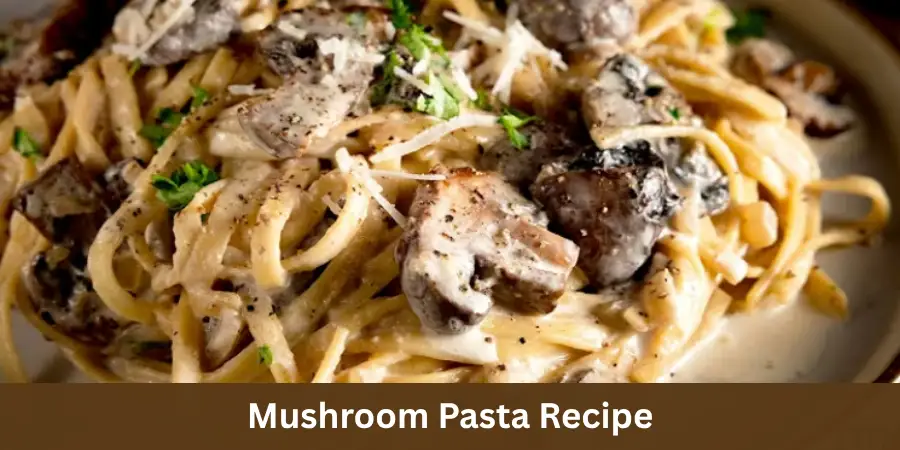
If you love mushrooms, this mushroom pasta is a flavorful pasta recipe built around deeply browned mushrooms, garlic, and shallots. The mushrooms stay at the center of the dish, giving it an earthy character and maximum flavor.
I like adding red wine to the pan because it deglazes the browned bits left behind from the mushrooms and adds depth while balancing the savory flavors. The result is a pasta dish where the mushrooms remain the main focus rather than being just an addition to the sauce.
Mushroom Pasta Recipe-The Short Answer
The golden mushrooms are cooked in separate batches to develop better browning and texture. Some mushrooms are finely chopped and cooked into the sauce to create more body and concentrated flavor, while the browned slices are added near the end so they remain distinct and keep their texture.
Parmesan adds savory depth and helps create a velvety sauce that coats the pasta without relying on heavy cream. The combination of mushrooms, pasta starch, Parmesan, and reduction creates a rich and comforting dish full of umami flavor.
This recipe takes more time than a very quick weeknight pasta, about 60–65 minutes from start to finish, including 20–25 minutes of preparation and about 40 minutes of cooking. The extra browning steps are what give this mushroom pasta its deep flavor.
It works well for a weeknight dinner when you have a little more time, and it is also special enough to serve to guests. Finishing the pasta directly in the mushroom sauce helps bring the pasta starch and mushroom flavors together into a cohesive final dish. This recipe serves 4 generous portions.
Why You Love This Recipe
The key to this mushroom pasta is building deep mushroom flavor without making the sauce feel too rich. Browning the sliced mushrooms first gives them a deeper savory character, while cooking the chopped mushrooms into the sauce creates more body and flavor throughout the dish. Using both baby bella and white mushrooms adds subtle differences in texture and flavor. Together, they bring earthy, nutty, and umami notes without making the recipe feel overly complicated.
The sauce gets its smooth texture from starchy pasta water, Parmesan, and the mushroom reduction rather than crème fraîche or heavy cream. The result is creamy and rich but never heavy. The pasta is finished directly in the sauce so the starch helps everything come together into a smooth coating. A little lemon juice added at the end balances the richness and keeps the mushroom flavor bright.
The cooking process is also straightforward. The mushrooms are browned in batches, the sauce is built in the same sauté pan, and the pasta cooks separately while the sauce comes together. This keeps the number of dishes reasonable while still giving the mushrooms enough space to brown properly. With one large pan and one pasta pot, cleanup stays fairly quick without cutting corners on flavor or texture.
Ingredients Needed
340 grams dry short pasta
400 grams baby bella mushrooms, sliced 6–8 mm thick
200 grams white button mushrooms, finely chopped 3–5 mm pieces
100 grams shallots, finely minced
15 grams garlic, finely minced
30 ml extra virgin olive oil
28 grams unsalted butter
5 grams kosher salt
2 grams freshly ground black pepper
1.5 grams dried rosemary, crushed
0.5–1 gram red pepper flakes, optional
30 grams tomato paste
120 ml dry red wine
600 ml reserved pasta water
60 grams Parmesan, freshly and finely grated
15 grams fresh parsley, chopped
15 ml fresh lemon juice
1 teaspoon finely grated lemon zest, optional
30 grams chopped walnuts, optional
3 liters water
15 grams salt for pasta water
Ingredients Notes
For this mushroom pasta, use 340 grams dry short pasta and 600 grams mushrooms so the mushrooms remain the main part of the dish. Short pasta shapes such as penne, rigatoni, and orecchiette work especially well. Spaghetti can also be used.
The mushroom combination uses 400 grams baby bella mushrooms and 200 grams white button mushrooms. The sliced baby bella mushrooms are cooked separately so they can develop deep browning and maintain their texture. The finely chopped white mushrooms are cooked into the sauce, where they release flavour and help create a more concentrated mushroom base. Keeping these two portions separate gives the finished pasta both distinct browned mushroom pieces and deeper mushroom flavour throughout the sauce.
For the aromatic base, use 100 grams finely minced shallots and 15 grams finely minced garlic. The shallots add sweetness and a mild savoury foundation, while garlic brings a stronger aromatic flavour that supports the mushrooms. The garlic is divided between two cooking stages: 7 grams is cooked briefly in the pan after the second mushroom batch, and 8 grams is cooked in the sauce base. Each portion cooks for only 30–45 seconds because browned garlic can turn bitter.
The cooking fat uses 30 ml extra virgin olive oil and 28 grams unsalted butter. The oil helps the mushrooms brown properly at higher heat, while the butter adds richness and flavour. The fat is divided between the mushroom batches and the sauce base so the mushrooms can caramelize without making the finished pasta overly oily.
For seasoning, use 5 grams kosher salt, divided throughout the recipe, along with 2 grams freshly ground black pepper. The salt is divided between the mushroom batches (1.5 grams in total), the sauce base (2 grams), and the final seasoning stage (up to 1.5 grams). Holding some salt back until the end allows the Parmesan and other ingredients to contribute their own saltiness before making the final adjustment.
Use 1.5 grams crushed dried rosemary and 0.5–1 gram red pepper flakes if desired. Rosemary adds a woodsy herbal note that complements the earthy mushrooms. The red pepper flakes provide gentle heat without overpowering the mushroom flavour. Keep the herb amount controlled because strong herbs can easily cover the natural flavour of the mushrooms.
For the sauce base, use 30 grams tomato paste and 120 ml dry red wine. Tomato paste adds additional umami and depth, while cooking it briefly helps remove the raw tomato flavour. The red wine is used to deglaze the pan, lifting the browned bits left from the mushrooms and adding acidity that balances the richness of the dish.
The sauce gets its creamy texture from reserved pasta water and 60 grams freshly grated Parmesan. The pasta water contains starch that helps the sauce coat the pasta, while Parmesan adds savoury depth and a smooth, velvety texture. Of the 600 ml reserved pasta water, about 300 ml builds the sauce and the other 300 ml is kept for final adjustments. The base recipe does not require heavy cream because the mushroom reduction, pasta starch, and Parmesan provide the needed sauce body.
Finish the pasta with 15 grams fresh parsley and 15 ml fresh lemon juice. Parsley adds freshness, while lemon juice balances the richness and keeps the mushroom flavour bright. Optional lemon zest adds extra citrus aroma, and 30 grams toasted walnuts can provide a crunchy contrast if desired, added just before serving so they stay crunchy.
How to Make Mushroom Pasta
You will need a 12–14 inch high-sided sauté pan (or a wide 5–6 quart pan) and a 4–5 quart pot for the pasta. If you only have a 12-inch skillet, brown the mushrooms and build the sauce in it, then move the sauce to a Dutch oven or the empty pasta pot before adding the pasta. Together, 340 grams of pasta and the sauce will be too crowded to toss in a standard skillet.
Start by preparing all the ingredients before cooking because this recipe has several stages that work together. Clean the mushrooms with a dry brush or lightly damp paper towel, then pat them completely dry. Avoid washing or soaking mushrooms because they can absorb extra moisture, which affects browning and can create a softer texture instead of the deep caramelized mushrooms needed for this dish.
Slice 400 grams baby bella mushrooms 6–8 mm thick and finely chop 200 grams white mushrooms into 3–5 mm pieces. Keep these two portions separate because they are used differently in the recipe. Mince the shallots and garlic, crush the rosemary, grate the Parmesan, chop the parsley, and measure the lemon juice. If using walnuts, toast 30 grams chopped walnuts in a dry skillet for 2–3 minutes and set them aside. This preparation stage takes about 20–25 minutes.
Heat a 12–14 inch pan over medium-high heat for about 2 minutes. Add 7.5 ml olive oil and 200 grams of the sliced mushrooms in a single layer. Let them cook without disturbing them for about 2 minutes so they can begin developing color, then toss and continue cooking for another 3–4 minutes.
Add 7 grams butter during the final 1–2 minutes of cooking. Once the mushrooms are deeply golden, season with 0.75 grams salt and 0.5 grams black pepper, then transfer them to a bowl. The goal is to brown the mushrooms rather than steam them, which is why cooking them in a single layer is important.
Allow the pan to heat again for about 30 seconds, then repeat the same process with the remaining 200 grams sliced mushrooms. Add another 7.5 ml olive oil, cook the mushrooms the same way, and add 7 grams butter during the final 1–2 minutes, until they develop a deep golden color. Season with another 0.75 grams salt and 0.5 grams black pepper once they are golden.
Reduce the heat to medium, add 7 grams minced garlic to the pan, and cook for 30–45 seconds until fragrant without allowing it to brown. Then transfer the mushrooms and garlic to the same bowl. Do not wipe the pan after removing the mushrooms. The browned bits left behind contain concentrated flavour and will help build the sauce.
While the second mushroom batch cooks, bring 3 liters of water to a boil in a separate pasta pot. Add 15 grams salt once the water is boiling.
In the same mushroom pan, add 15 ml olive oil and 14 grams butter for the sauce base. Add the minced shallots and cook over medium heat for 2–3 minutes until softened. Add the remaining 8 grams garlic and cook for another 30–45 seconds.
Add the chopped white mushrooms, 1.5 grams crushed rosemary, 2 grams salt, and 1 gram black pepper. Cook for 5–7 minutes, allowing the mushrooms to release their moisture and become concentrated in flavour. The chopped mushrooms help create the body of the sauce, while the browned sliced mushrooms will be added later to maintain their texture.
Cook the pasta about 3 minutes less than the package instructions so it finishes cooking directly in the mushroom sauce. Timing matters because the pasta should be ready at the same stage the sauce finishes simmering. If the pasta takes 12–13 minutes to cook, add it to the boiling water when the chopped mushrooms have about 2 minutes left. If it takes 10–11 minutes, add it when the tomato paste goes into the sauce.
Add 30 grams tomato paste to the mushroom sauce and cook over medium heat for 60–90 seconds, without letting it burn. This helps remove the raw tomato flavour and develops a deeper savoury taste. Pour in 120 ml dry red wine and scrape the bottom of the pan with a wooden spoon to release the browned bits. Allow the wine to reduce for 2–3 minutes until it has reduced by a little more than half and the raw alcohol smell disappears.
Ladle about 300 ml pasta water from the pasta pot into the pan, before draining the pasta. Simmer gently over medium heat for 3–4 minutes until the liquid becomes more concentrated. The sauce should reduce slightly but should not become too thick. If it reduces too far, add another 15–30 ml pasta water to loosen it.
Reserve another 300 ml pasta water, then drain the pasta. Add the partially cooked pasta directly into the mushroom sauce and toss over medium-low heat for 1–2 minutes. The pasta will continue cooking while releasing starch into the sauce, helping the mushroom mixture cling evenly to each piece. Keep the sauce slightly looser than your final desired texture because it will continue thickening as it rests.
Lower the heat and add 60 grams finely grated Parmesan in 2–3 additions. Toss continuously for 30–60 seconds until the sauce becomes glossy and evenly coats the pasta. If the sauce becomes too tight, add 15–30 ml pasta water until the consistency is smooth. Turn off the heat and add 15 ml fresh lemon juice.
Toss for another 10–15 seconds, then taste and adjust the seasoning if needed, adding the remaining salt, up to 1.5 grams, 0.5 gram at a time. Fold the reserved browned mushrooms back into the pasta with 15 grams chopped fresh parsley. Mix gently for 30–45 seconds so the browned mushroom pieces keep their texture. Serve immediately with optional toasted walnuts, lemon zest, or red pepper flakes if desired.
Helpful Swaps
A few simple swaps can change the flavour without changing the basic structure of the dish.
Herbs
Use 2 grams dried thyme instead of rosemary for a slightly different herbal note. For a fresh herb version, use 5 grams fresh thyme and 5 grams additional fresh parsley added at the end. Keep woodsy herbs in small amounts because strong herbs can overpower the natural mushroom flavour.
Mixed Mushrooms
Keep the total mushroom amount at 600 grams. For a different combination, use 250 grams baby bella and 150 grams portobello as the sliced portion, then keep 200 grams white mushrooms as the chopped portion.
Remove the portobello gills before cooking so the sauce does not become too dark. For a shiitake version, use 400 grams baby bella as the sliced portion, and finely chop 100 grams white mushrooms together with 100 grams shiitake mushrooms as the chopped portion, removing the shiitake stems first.
Cheese
Replace the Parmesan with 50 grams Pecorino Romano. Because Pecorino Romano is saltier, hold back the final salt and taste before adding any. Do not use both cheeses at their full amounts together unless the salt level is adjusted.
Spicy Version
Increase the red pepper flakes to 1.5 grams for a stronger spicy flavour. This adds heat while keeping the mushroom flavour as the main focus.
Lemon Herb Version
Add 2 grams lemon zest (in place of the optional zest), 10 grams additional parsley, and 5 grams fresh basil, adding the basil at the end. Keep the lemon juice amount at 15 ml. The extra herbs and citrus brighten the dish while maintaining the creamy mushroom sauce structure.
Wine Substitute
Replace the 120 ml dry red wine with 120 ml dry white wine such as Pinot Grigio or Sauvignon Blanc. For an alcohol-free option, use 120 ml low-sodium vegetable broth with 10 ml lemon juice added at the same stage. Keep the final 15 ml lemon juice for the finishing step.
Creamier Version
For a richer variation, add 60 ml heavy cream during the final sauce stage. Keep the total pasta water between 300–360 ml and adjust the consistency as needed. This is an optional variation and is not part of the base recipe.
Storage and Make-Ahead
If you want to prepare ahead, you can clean and cut the mushrooms up to 24 hours in advance. Store them in an airtight container in the refrigerator and check for excess moisture before cooking. Shallots and garlic can also be prepared up to 24 hours ahead and stored separately in airtight containers. Parmesan can be grated 1–2 days ahead and kept refrigerated until needed.
The finished mushroom pasta is best served fresh. I do not recommend holding it in the sauce for several hours because the pasta starch will continue thickening the sauce and can make the texture heavier.
For leftovers, allow the pasta to cool completely before transferring it to an airtight container. Store it in the refrigerator for up to 3–4 days. I prefer storing individual portions because cold pasta becomes thicker and firmer, which makes it hard to divide into smaller portions later.
To reheat on the stovetop, add the pasta to a skillet with 1–2 tablespoons of water. Warm it gently over low-medium heat for about 3–5 minutes, tossing occasionally until the sauce becomes smooth again. Add a little more water if needed to loosen the sauce. Avoid high heat because it can make the sauce too tight and affect the creamy texture.
For microwave reheating, use a covered microwave-safe container. Heat for 60–90 seconds, stir, then continue heating in 15–30 second intervals until warmed through. Stirring between intervals helps distribute heat more evenly and prevents the sauce from becoming overly thick in some areas.
The pasta can technically be frozen, but the texture is better when served fresh. If freezing, cool the pasta completely, place it in an airtight freezer-safe container, and use it within about 1 month. When reheating frozen pasta, you may need extra pasta water or broth to help loosen the sauce and bring back a smoother consistency.
Tips
Good mushroom pasta starts with properly prepared mushrooms. Make sure the mushrooms are dry before cooking and remove any dirt with a lightly damp paper towel. Avoid washing or soaking them because mushrooms can absorb moisture, which can interfere with browning and create a softer texture instead of the deep caramelized flavour you want.
Slice them 6–8 mm thick so they hold their shape during cooking, and avoid cutting them much thinner. The pieces do not need to be perfectly even. Do not salt the sliced mushrooms before browning because salt draws out moisture and slows down caramelization.
For the best browning, use extra virgin olive oil with a small amount of butter added toward the end of each mushroom batch. Using only butter can make the dish feel overly rich and increases the chance of the butter burning. Cook the mushrooms in two batches so they have enough space, avoid constant stirring, and allow them time to develop colour before turning.
For the pasta, aim for al dente rather than fully soft. Cook it about 3 minutes less than the package instructions so it can finish cooking directly in the mushroom sauce. Reserve 600 ml pasta water in two portions: 300 ml for building the sauce and 300 ml for final adjustments. Add the pasta water gradually, using 15–30 ml at a time, because it is easier to loosen the sauce slowly than to fix a sauce that has become too thin.
Keep the heat gentle once the sauce comes together. The sauce should gently bubble rather than boil aggressively because high heat can cause it to reduce too quickly. Hold back the final 1.5 grams of salt until after the Parmesan has melted because the cheese adds its own saltiness.
The finished sauce should coat the pasta evenly, look glossy when tossed, and not leave a watery pool in the pan or become dry and clumpy. Remember that it will continue thickening slightly while it rests on the plate for 2–3 minutes.
Recipe Notes
For the mushroom base, baby bella mushrooms provide a deep earthy flavour that works well with the sauce. Avoid cutting them too thin because larger pieces maintain their texture better as they caramelize. Cook them with oil and butter without constantly moving them so they have enough time to brown properly.
Short pasta such as penne, rigatoni, or orecchiette works best, while spaghetti is also suitable. Undercook the pasta by about 3 minutes so it can finish cooking in the sauce. Keep the heat gentle during this stage because the sauce should bubble softly rather than boil aggressively. The sauce should look slightly looser in the pan because the pasta will continue absorbing it and the texture will thicken as it rests. Avoid reducing the sauce too far before combining everything.
The finished pasta is best enjoyed fresh. Store leftovers in an airtight container for up to 3–4 days, and add a splash of water to the pan when reheating. Toss gently until the sauce becomes smooth and creamy again.
Nutritional Information
Each serving provides approximately:
- 555–590 kcal
- 74–78 g carbohydrates
- 22–24 g protein
- 18–20 g fat
- 5–7 g fiber
These figures are based on the base recipe using 340 grams dry pasta and 600 grams mushrooms, divided into approximately 4 generous dinner servings. The nutrition is approximate because values can change depending on the pasta brand, Parmesan used, oil absorption, and specific mushroom varieties. If you add the 30 grams of walnuts, the calories and fat will increase slightly.
This recipe contains wheat and milk from the pasta, butter, and Parmesan. It contains no meat, but traditional Parmesan is made with animal rennet, so use a vegetarian-rennet Parmesan if needed for a vegetarian diet. The base recipe contains no shellfish, soy, fish, eggs, red meat, pork, or peanuts. Tree nuts are only included if the optional walnuts are added. Ingredient brands can vary, so check labels if avoiding specific allergens.
FAQ
What mushrooms are best for pasta?
Cremini mushrooms, also known as Swiss brown or baby bella mushrooms, are my preferred choice for this recipe. White button mushrooms also work well, and using both together creates a deeper mushroom flavour with different textures. You can also try the portobello or shiitake versions listed in the Helpful Swaps section.
What sort of cream is best?
The base recipe does not need cream. It uses pasta water to create a smooth sauce while keeping the mushroom flavour at the center. If you prefer a richer variation, add 60 ml heavy cream during the final sauce stage and keep the total pasta water between 300–360 ml. Adjust the consistency with a little extra pasta water if needed.
Can I leave the wine out?
Yes. Replace the 120 ml dry red wine with 120 ml low-sodium vegetable broth and add 10 ml lemon juice at the same stage. The final 15 ml lemon juice should still be added at the end. The wine adds depth and acidity, while lemon helps balance the richness and brighten the finished sauce.
Can I add protein?
The base recipe is designed to keep mushrooms as the main ingredient. Chicken, pancetta, and bacon are not included because they would shift the focus away from the mushroom flavour and texture.
Can I store leftovers?
Yes. Let the leftovers cool before transferring them to an airtight container. Store them in the refrigerator for up to 3–4 days. When reheating, place the pasta in a skillet with 1–2 tablespoons of water and warm gently over low-medium heat for 3–5 minutes. Add more water if needed to loosen the sauce, and avoid high heat because it can make the sauce too tight.