Creamy Chicken Mushroom Pasta
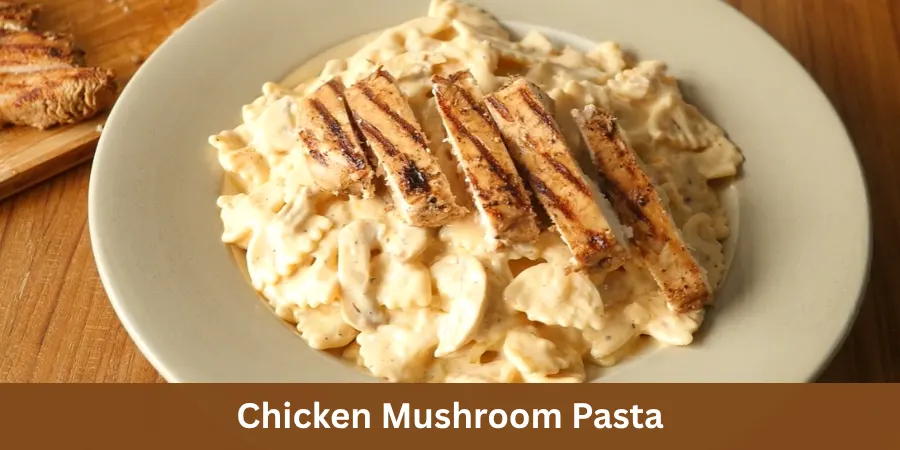
When I want an easy, cozy weeknight dinner, this chicken mushroom pasta is a reliable choice. The recipe combines tender chicken and sautéed mushrooms with linguine or fettuccine, creating a comforting base with plenty of flavor. The sautéed garlic herb mushrooms add depth, while properly searing the chicken helps keep its texture satisfying.
Giving the chicken enough time to develop a good sear before combining it with the other ingredients makes the finished dish more enjoyable without making the process complicated.
Chicken Mushroom Pasta-The Short Answer
Creamy chicken mushroom pasta with tender chicken, golden mushrooms, and a silky Parmesan sauce. Follow the tested steps for balanced flavor, proper pasta texture, and a reliable weeknight dinner worth cooking.
The sauce brings everything together. The chicken and mushrooms are coated in a silky Parmesan cream sauce made with garlic, Parmesan, and cream, with a squeeze of lemon adding freshness.
White wine provides depth and forms part of the white wine-based sauce, while the cream sauce develops a rich, smooth texture. The result is creamy and flavorful without relying on unnecessary complexity, and the lemon helps balance the richness. The garlic, herb, and mushroom flavors also give the creamy pasta more character.
This is a relaxed weeknight meal, although the engineered recipe is designed around approximately 35–40 minutes of cook time and 50–55 minutes total time rather than a true less-than-30-minute meal.
The mushrooms, seared chicken, and sauce make it a delicious meal and a fantastic choice when you want simple comfort food with an elegant sauce. It fits naturally into a cozy dinner or weeknight dinner while keeping the preparation practical and the final dish rich and satisfying.
About This Recipe
Creamy Mushroom Chicken Pasta is a great choice when you want something easy to make from scratch. It uses simple ingredients to create a budget-friendly weeknight dinner, while the creamy texture and savory flavors also make it suitable for a more special meal.
White wine adds subtle depth to the sauce, while heavy cream makes the dish rich, creamy, and comforting. As the wine cooks and reduces, it leaves behind a more concentrated flavor that helps build the overall character of the sauce.
For this easy chicken pasta, 120 ml of dry white wine is enough to build a flavorful sauce with mushrooms. The finished sauce is creamy and flavorful, while freshly cooked pasta allows the sauce to coat each strand properly.
Why This Recipe Works
What makes this mushroom chicken pasta work so well is the way simple everyday ingredients build layers of flavor without complicated techniques.
The juicy chicken is lightly coated and browned first, while the golden mushrooms develop a deeper savory flavor as their moisture cooks away.
From there, garlic, thyme, and white wine add depth before chicken stock and cream create a smooth garlic-Parmesan cream sauce. Parmesan cheese gives the sauce body and savory depth, while lemon keeps the finished dish fresh and bright rather than overly heavy. The result is rich and creamy but still balanced.
The cooking process is designed for minimal fuss while keeping maximum flavor. The chicken, mushrooms, and sauce are prepared in the same skillet, while the pasta cooks separately so it can reach the right al dente texture.
The pasta water is started early so the pasta can cook in parallel with the sauce rather than being fully cooked and left sitting for a long time.
With a total time of around 50–55 minutes, it works well as a satisfying weeknight dinner. The recipe is also flexible with the pasta: linguine or fettuccine are recommended, while spaghetti and penne are also suitable.
Using thighs gives the dish a tender, flavorful chicken component that pairs naturally with the mushrooms and creamy sauce.
This mushroom chicken pasta combines familiar ingredients in a practical sequence. The chicken, pasta, cream, Parmesan, wine, seasoning, and mushrooms each have a clear role in the finished dish, helping create a meal that feels special without requiring elaborate preparation.
Ingredients Needed
200 g dried pasta (linguine or fettuccine recommended; spaghetti or penne can also work)
450 g boneless, skinless chicken thighs
1.5 g fine salt, for chicken seasoning
0.5 g black pepper, for chicken seasoning
1.5 g garlic powder, for chicken seasoning
8 g all-purpose flour, for a light coating on chicken
15 ml olive oil, for searing chicken
250 g fresh cremini mushrooms, sliced into 4–5 mm slices
80 g yellow onion, finely diced
9 g garlic, finely minced
14 g unsalted butter
1 g fresh thyme leaves
120 ml dry white wine
180 ml low-sodium chicken stock
180 ml heavy cream
15 ml fresh lemon juice
50 g freshly grated Parmesan
8 g fresh flat-leaf parsley, chopped
2 g finely grated lemon zest
3 liters water, for pasta cooking
10 g fine salt, for pasta water
60–120 ml reserved pasta water, as needed for sauce adjustment
Ingredients Notes
For this chicken mushroom pasta, use 200 g dried pasta. Linguine or fettuccine are the recommended choices because they pair well with the creamy Parmesan sauce, while spaghetti and penne can also work if preferred.
The recipe uses 450 g boneless, skinless chicken thighs because they provide a tender and flavorful chicken component that works naturally with the mushrooms and cream sauce.
Season the chicken with fine salt, black pepper, and garlic powder, then apply a light coating of all-purpose flour. This thin flour coating helps the chicken develop better browning during searing.
Use 15 ml olive oil for the chicken-searing step. The chicken is seared with olive oil only, while the butter is reserved for the mushroom and onion stage.
The mushroom base uses 250 g fresh cremini mushrooms, cut into 4–5 mm slices, along with yellow onion, garlic, unsalted butter, and fresh thyme leaves.
Cremini mushrooms develop deeper savory flavor as their moisture cooks away and they begin to brown. The onion and garlic add aromatic depth, while thyme provides a subtle herbaceous note.
The full 14 g unsalted butter is reserved for cooking the mushrooms and onion. Keeping the butter allocated to this stage helps build the rich mushroom base that supports the cream sauce.
For the sauce, use 120 ml dry white wine, 180 ml low-sodium chicken stock, and 180 ml heavy cream.
The white wine adds brightness and depth to the sauce. As it cooks and reduces, it leaves behind a more concentrated flavor that enhances the mushrooms and other ingredients.
Chicken stock provides the savory foundation, while heavy cream creates the rich, smooth texture expected from a creamy Parmesan sauce.
Fresh lemon juice helps balance the richness of the cream and keeps the finished dish from feeling too heavy.
The finishing ingredients are 50 g freshly grated Parmesan, fresh flat-leaf parsley, and finely grated lemon zest.
Freshly grated Parmesan is preferred because it melts more smoothly into the sauce and helps create a creamy consistency while adding savory depth.
Parsley and lemon zest are added at the end to provide freshness and contrast against the rich cream sauce.
For the pasta water, use 3 liters water with 10 g fine salt.
Most of the salted pasta water is drained away, while reserved cooking water is kept to adjust the sauce consistency later.
The recipe allows 60–120 ml reserved pasta water as needed rather than treating it as a fixed amount. Adding it gradually helps keep the finished sauce glossy and slightly loose without making it watery.
How to Cook Chicken Mushroom Pasta
1. Start the Pasta Water Early
Before starting the chicken, place 3 liters of water in a large pasta pot and bring it toward a boil over high heat. Keep the pot covered while heating if practical because this helps the water reach a boil more efficiently.
Do not add the pasta yet.
The purpose of starting the water early is to allow the pasta to cook in parallel with the chicken and sauce. This prevents the pasta from being fully cooked at the beginning and sitting for 20–25 minutes while the rest of the dish is prepared.
When the water reaches a rolling boil, add 10 g fine salt.
2. Prepare and Sear the Chicken
Pat the chicken thighs dry with paper towels, then season them with 1.5 g salt, 0.5 g black pepper, and 1.5 g garlic powder.
Apply the 8 g flour as a very thin coating and shake off any excess. This light coating helps the chicken develop better browning without creating a heavy crust.
Heat 15 ml olive oil in a large skillet over medium-high heat.
Do not add butter to the chicken-searing step. The butter is reserved for the mushroom and onion stage.
Once the oil is hot, place the chicken in a single layer. Cook the first side for 5–6 minutes, then flip and cook the other side for 4–5 minutes.
The chicken should be golden brown and reach an internal temperature of 165°F (74°C).
Transfer the chicken to a plate and set it aside loosely covered. If it starts browning too quickly, reduce the heat slightly.
3. Cook the Pasta When the Water Boils
Once the pasta water reaches a rolling boil, add the 200 g dried pasta.
Cook according to the package directions, but aim to remove it approximately 1 minute before the stated cooking time so it remains slightly under al dente.
For pasta with a typical 9–11 minute package cooking time, this generally means approximately 8–10 minutes of actual cooking in boiling water.
The pasta should finish its cooking near the final sauce stage rather than being prepared at the beginning of the recipe.
4. Brown the Mushrooms and Onion
After removing the chicken, keep the same skillet over medium heat.
Add the full 14 g unsalted butter.
Add the 80 g onion and 250 g mushrooms and spread them as evenly as possible.
Let them cook mostly undisturbed for 9–12 minutes.
The mushrooms will first release moisture. Allow that moisture to evaporate before expecting strong browning.
Do not move on simply because the clock reaches 9 minutes. Continue cooking until:
- visible liquid has nearly disappeared
- mushrooms have reduced
- mushrooms are tender
- edges are golden brown
This visual endpoint is more important than a rigid cooking time.
5. Add Garlic and Thyme
Add 9 g minced garlic and 1 g fresh thyme.
Toss gently and cook for 45–60 seconds.
Keep the garlic from becoming dark brown because it can affect the flavour of the finished sauce.
6. Deglaze with Wine
Pour in 120 ml dry white wine.
Let it simmer gently for 2–4 minutes while scraping the browned bits from the bottom of the skillet.
Allow the wine to reduce by approximately half.
This helps concentrate the flavour and incorporates the browned flavour left from cooking the chicken and mushrooms.
7. Add Chicken Stock
Add 180 ml low-sodium chicken stock.
Simmer for approximately 2 minutes.
At this point, the pasta should still be cooking separately in the boiling water.
8. Add Cream Near the End of Pasta Cooking
When the pasta has approximately 2–3 minutes of cooking time remaining, add 180 ml heavy cream to the skillet.
Lower the heat to medium-low.
Maintain a gentle simmer for 2–3 minutes.
Do not aggressively boil the cream.
The pasta and sauce should now be approaching their finishing stages at approximately the same time.
9. Drain the Pasta
When the pasta reaches an al dente texture with a firm center, reserve at least 250 ml of the cooking water.
Drain the pasta.
Do not transfer the pasta to the sauce yet.
Keep the drained pasta only briefly while finishing the Parmesan and seasoning in the sauce.
If the pasta surface starts sticking during this brief hold, gently toss it or add a small splash of the reserved pasta water.
Extra oil or butter is not needed.
The pasta should not be left sitting for an extended period.
10. Finish the Sauce with Parmesan
Lower the skillet to low heat.
Add 50 g freshly grated Parmesan in two separate additions.
Stir gently after each addition until the cheese melts into the sauce and the sauce becomes smooth.
Keeping the pasta out of the pan at this stage allows the Parmesan to incorporate directly into the sauce.
11. Balance the Sauce
Add:
- 1 g black pepper
- 0.5 g fine salt
- 15 ml fresh lemon juice
Mix gently and taste.
The finished sauce should taste creamy, savory, rich, and lightly bright from the lemon.
12. Finish the Pasta in the Sauce
Now add the freshly drained pasta to the finished sauce.
Toss for 1–2 minutes until the sauce evenly coats the pasta.
Add reserved pasta water 30 ml at a time if needed.
The usual amount is 60–90 ml, while 120 ml is the maximum needed.
The finished sauce should be glossy and slightly loose rather than watery. It will naturally thicken as it cools.
This is the single pasta-transfer point in the recipe.
13. Return the Chicken
Slice the rested chicken into 2–3 cm strips.
Return the chicken to the skillet.
Toss for only 30–60 seconds so it heats through without becoming overcooked.
Finish with 8 g chopped parsley and 2 g lemon zest.
Add extra grated Parmesan as a topping if desired.
Serve immediately while the sauce is creamy and the pasta has its best texture.
Pasta Timing at a Glance
The pasta sequence is intentionally different from a traditional start-to-finish preparation. The goal is to keep the pasta cooking window aligned with the final sauce stage instead of cooking the pasta too early and allowing it to sit.
Start 3 liters of water heating before or while preparing the chicken.
Bring the water to a rolling boil, then add 10 g salt.
Add 200 g pasta once the water is boiling.
Cook the pasta approximately 1 minute less than the package time so it remains slightly under al dente.
While the pasta cooks, continue preparing the mushroom and sauce stages.
Add the cream when the pasta has approximately 2–3 minutes of cooking time remaining.
Drain the pasta when it reaches an al dente texture and reserve at least 250 ml pasta water.
Briefly hold the drained pasta only while Parmesan and seasoning are incorporated into the sauce.
Add the pasta to the finished sauce and adjust the consistency gradually with reserved pasta water.
Use approximately 60–90 ml as needed, with 120 ml being the maximum amount required.
Toss the pasta for 1–2 minutes and finish the dish.
This sequence keeps the actual pasta cooking window aligned with the final sauce stage and avoids an extended 20–25 minute hold.
Variations You Can Try
To change it up, you can use your favourite mushroom variety instead of cremini mushrooms.
Keep the chicken and cream as the main elements, but be careful when substituting the cream with a lower-fat alternative because it can curdle and leave a thinner sauce.
For extra greens, add fresh spinach or baby spinach at the end and let it wilt into the sauce.
Other vegetables such as broccoli, zucchini, and green beans can also pair well with chicken and mushrooms.
Bacon adds smoky richness, while Kalamata olives add a salty, savoury flavour.
If you enjoy some heat, add ¼ teaspoon red pepper flakes for a gentle touch of spice.
Equipment Needed
For this Creamy Mushroom Chicken Pasta, a heavy pan or skillet is useful because it holds heat well while the chicken and mushrooms brown evenly.
A cast-iron skillet is also a versatile option.
You will also need:
- Large pasta pot
- Colander
- Large heavy skillet
- Tongs
- Measuring spoons
- Kitchen scale
- Instant-read thermometer
- Cheese grater
Keep the chicken stock nearby because the recipe uses 180 ml low-sodium chicken stock as the liquid base for the creamy sauce.
Expert Tips
For juicy chicken, keep the thighs whole so they retain moisture while cooking.
Pat the chicken dry, season it, and give it a light dusting of flour. This helps form a golden crust as it sears.
Use olive oil only for searing the chicken. The 14 g butter is reserved for the mushroom and onion stage, where it contributes richness and helps develop the aromatic base.
Place the chicken in a single layer and avoid moving it too soon.
Once it develops a good sear and releases more easily from the skillet, flip it.
A good sear on the chicken, mushrooms, and onions helps build flavour.
After cooking, let the chicken rest before cutting it so the meat stays tender.
For the pasta, start the water early rather than fully cooking the pasta before preparing the chicken.
Undercook the pasta slightly by about 1 minute so it can finish properly in the sauce.
Keep the heat low and steady when working with cream sauces.
A gentle simmer is enough.
Lower the heat before adding Parmesan and stir gently until it melts smoothly.
The sauce should look a little looser in the pan than you want on the plate because it will thicken as it cools.
A large heavy skillet gives the chicken and mushrooms enough room to brown instead of steam.
Fresh mushrooms are especially good here because they hold their shape and add pleasant texture and colour.
To clean mushrooms, a quick rinse is fine; avoid soaking them for long.
Pat them dry before cooking.
Fresh pre-sliced mushrooms can save preparation time.
If you are avoiding white wine, chicken stock can be used instead.
Pasta water can be added gradually because its starch helps adjust the sauce to the right consistency.
Add only what is needed so the finished sauce stays creamy and lightly loose.
Storage
For the best texture, this chicken mushroom pasta is best enjoyed fresh. If you have leftovers, store them in an airtight container in the refrigerator for 2–3 days.
Creamy pasta can change as it sits, so keep it sealed well until you are ready to reheat it.
When reheating, warm the pasta gently over low heat and add a splash of water or stock to loosen the sauce if needed.
Freezing is not recommended because cream sauces can split and change texture when frozen and thawed.
Notes
Chicken thighs work particularly well because they stay juicy and tender when cooked properly.
A good sear adds much more flavor, so sear the chicken first and set it aside while preparing the rest of the dish.
For the mushrooms, fresh mushrooms give the best result.
Cremini mushrooms, also known as Swiss brown mushrooms or baby bellas, are a good first choice, although white button mushrooms and portobello mushrooms can also work.
If you are short on time, pre-sliced mushrooms from the grocery store are convenient.
For the creamy sauce, white wine adds depth, but if you do not use wine, chicken stock can replace it.
The recipe uses heavy cream for its rich texture.
If the sauce becomes too thick, loosen it with a splash of reserved pasta water.
Keeping about 1/2 cup nearby makes this adjustment easy.
Finely minced garlic adds extra flavor, while spinach is an optional way to turn this into chicken mushroom spinach pasta.
Add a few handfuls of spinach to the sauce when you add back the chicken.
For the pasta, use 200 g of uncooked pasta and undercook it by 1 minute so it can finish cooking in the sauce while staying al dente.
Pay attention to sauce thickness because cream sauces naturally thicken as they cool.
The sauce should be slightly loose in the pan because it reaches a better consistency once served.
The recipe provides the intended sauce amount for 200 g pasta, so doubling the recipe is unnecessary just to get more sauce.
If you want a looser consistency, adjust gradually with pasta water during cooking.
Nutrition Insight
A serving of this chicken mushroom pasta provides:
- Calories: 885 kcal
- Carbohydrates: 61 g
- Protein: 49 g
- Total Fat: 48 g
- Saturated Fat: 22 g
- Fiber: 3 g
- Sugar: 5 g
- Cholesterol: 190 mg
- Sodium: 780 mg
These are calculated values per serving based on the recipe yield of 3 servings.
Actual nutrition may vary slightly depending on specific ingredient brands and nutrition labels.
FAQs
Which mushrooms give chicken mushroom pasta the most flavor?
Cremini mushrooms, also known as Swiss brown mushrooms or baby bellas, are an excellent choice for this pasta.
White button and portobello mushrooms can also work, and a mixture can provide more variety.
Is chicken breast a good substitute for chicken thighs?
Yes, chicken breast can work instead of chicken thighs.
Butterfly thicker breasts into thinner pieces or use evenly sized pieces so they cook more consistently.
Avoid overcooking the chicken because chicken breast contains less fat than thighs and can become dry more easily.
What can you use instead of wine in the sauce?
You can make the sauce without wine. Replace the 120 ml white wine with 120 ml chicken stock.
Start with 15 ml lemon juice and taste the finished sauce. If more acidity is needed, add up to another 5 ml.
How can you keep the cream sauce from curdling?
Keep the cream sauce at low to medium-low heat and maintain a gentle simmer rather than a hard boil.
Lower the heat before adding Parmesan.
Add the lemon juice during the final sauce-balancing stage and avoid aggressively boiling the finished sauce.
How can you prepare creamy pasta ahead of serving?
Creamy pasta is best fresh, but the chicken and mushrooms can be prepared ahead.
They can be stored separately and combined with the cream and Parmesan sauce closer to serving.
Cook the pasta close to the final sauce stage rather than preparing it far in advance. If needed, add reserved pasta water to loosen the sauce.