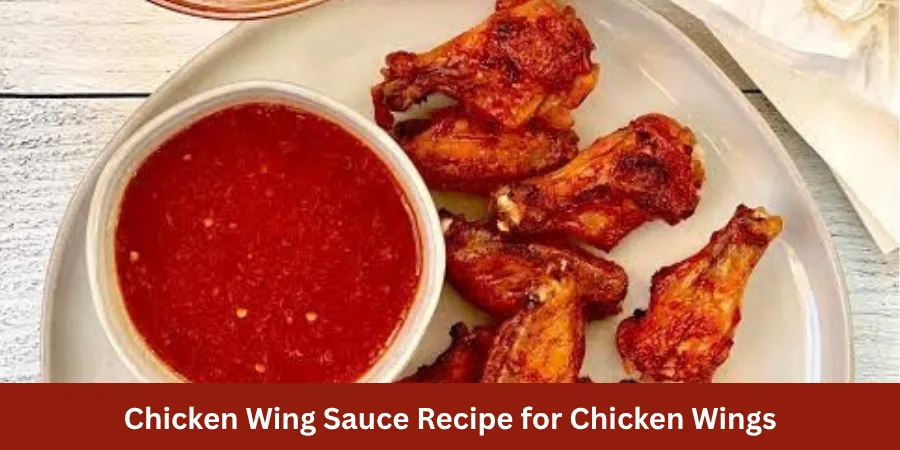
Chicken Wing Sauce Recipe for Chicken Wings
A good chicken wing sauce should bring together heat, sweetness, richness, and savory flavor without making the preparation complicated.
This homemade chicken wing sauce is buffalo-style and uses simple ingredients to create a balanced coating for crispy chicken wings.
The combination of hot sauce, butter, brown sugar, and seasonings creates a glossy sauce with a flavorful mix of spice, tang, and richness.
Chicken Wing Sauce Recipe-The Short Answer
This sauce is an easy alternative to store-bought options because it allows you to control the flavor and adjust the spice level based on your preference.
It works especially well for chicken wings, but it can also be used as a dipping sauce for appetizers or added to other dishes for extra flavor.
The warm sauce coats cooked wings evenly and creates a lightly sticky, glossy finish.
Keeping extra sauce on the side makes it more flexible when serving food for gatherings, casual meals, or appetizers.
This approach allows the chicken wings to remain the main focus while giving guests additional sauce for dipping.
Why Make This Wing Sauce
Making this homemade wing sauce takes about 10–15 minutes and requires simple ingredients.
Preparing it at home allows you to control the balance of heat, sweetness, acidity, and richness.
The combination of hot sauce, butter, brown sugar, and savory seasonings creates a flavorful sauce that complements crispy chicken wings.
The sauce is easy to adjust depending on your preferred flavor. You can increase the heat with cayenne pepper or keep the base recipe milder while still maintaining the classic buffalo-style taste.
Once the wings are cooked and crispy, adding the warm sauce helps it spread evenly and creates a smooth coating.
The sauce can also be served separately as a dipping option, making it practical for different serving styles.
This recipe is useful to keep on hand because the sauce can be prepared ahead, stored, and gently warmed when needed.
It works well for chicken wings, dips, chicken, vegetables, sandwiches, and flatbread.
About This Chicken Wing Sauce
This chicken wing sauce is inspired by classic buffalo-style flavors, combining cayenne hot sauce with butter to create a rich and balanced base.
Brown sugar adds sweetness and helps create a lightly sticky finish, while Worcestershire sauce, Dijon mustard, garlic powder, and apple cider vinegar add depth and brightness. The goal of this sauce is balance.
The hot sauce provides heat and acidity, the butter adds richness, and the remaining ingredients round out the sharp flavor of the cayenne sauce.
Unlike a sauce that focuses only on spice, this recipe creates a combination of flavors that works well with crispy chicken wings.
The glossy texture helps the sauce coat the wings evenly while still remaining pourable. The sauce can be used immediately while warm or stored for later use.
When refrigerated, the butter may cause the sauce to firm up, but gentle reheating brings it back to a smooth consistency.
Ingredients Needed
• 1 cup (240 ml) Louisiana-style cayenne hot sauce, such as Frank’s RedHot Original
• ½ cup (113g) unsalted butter
• ⅓ cup (75g) packed light brown sugar
• 1 tablespoon (15 ml) Worcestershire sauce
• 1 tablespoon (15g) Dijon mustard
• 1 teaspoon (5 ml) apple cider vinegar
• 1 teaspoon (3g) garlic powder
• ¼ teaspoon (0.5g) cayenne pepper (optional, for more heat)
• ½ teaspoon (1g) cayenne pepper (optional, for an extra spicy version; use this instead of the ¼ teaspoon, not in addition to it)
Ingredients Notes
Louisiana-Style Cayenne Hot Sauce
Hot sauce creates the main heat and acidity in this wing sauce.
Use 1 cup (240 ml) Louisiana-style cayenne hot sauce, such as Frank’s RedHot Original.
The vinegar-based hot sauce provides the classic buffalo-style flavor while giving the sauce its spicy and tangy foundation.
Unsalted Butter
Butter balances the heat from the hot sauce and creates the rich, smooth texture of the sauce. Use ½ cup (113g) unsalted butter.
Using unsalted butter gives better control over the overall seasoning because the hot sauce and other ingredients already contribute flavor and salt.
Light Brown Sugar
Use ⅓ cup (75g) packed light brown sugar. Brown sugar adds sweetness and helps soften the sharp heat from the cayenne hot sauce.
It also contributes to the lightly sticky finish that helps the sauce coat chicken wings.
Worcestershire Sauce
Use 1 tablespoon (15 ml) Worcestershire sauce. It adds savory depth and helps balance the sweetness and spice in the sauce.
The flavor works with the butter and hot sauce to create a more rounded buffalo-style sauce.
Dijon Mustard
Use 1 tablespoon (15g) Dijon mustard. Dijon adds mild tang and extra flavor without overpowering the main hot sauce base.
It helps create a more balanced sauce with additional depth.
Apple Cider Vinegar
Use 1 teaspoon (5 ml) apple cider vinegar. It adds brightness and acidity to balance the richness of the butter and sweetness of the brown sugar.
Garlic Powder
Use 1 teaspoon (3g) garlic powder. Garlic powder adds background savory flavor and complements the hot sauce, butter, and seasonings.
Cayenne Pepper
Cayenne pepper is optional and can be adjusted based on your preferred heat level.
For more heat:
• Use ¼ teaspoon (approximately 0.5g) for a noticeable increase in spice.
• Use ½ teaspoon (approximately 1g) in total for an extra spicy version.
The amount can also depend on the heat level of the hot sauce being used.
Ingredient Balance
The combination of these ingredients creates the main flavor balance of the sauce.
Hot sauce provides heat and acidity, butter adds richness, brown sugar adds sweetness, and the remaining ingredients contribute savory depth and brightness.
Together, they create a smooth sauce that works well for coating crispy chicken wings or serving as a dipping sauce.
How to Make Chicken Wing Sauce
Step 1: Melt the Butter
Add ½ cup (113g) unsalted butter to a saucepan. Melt the butter slowly over low heat for about 2–3 minutes until smooth.
Avoid letting the butter boil or brown because the goal is to create a creamy sauce base rather than a toasted butter flavor.
Step 2: Add the Flavor Ingredients
Once the butter has melted, add:
• Light brown sugar
• Worcestershire sauce
• Dijon mustard
• Garlic powder
• Apple cider vinegar
Mix the garlic powder with the brown sugar first to help prevent clumps.
Whisk the ingredients together for about 30–45 seconds until they are well combined. The brown sugar will not fully dissolve at this stage; it dissolves later while the sauce simmers.
Add the Louisiana-style cayenne hot sauce gradually while continuing to whisk.
Adding the hot sauce slowly helps the ingredients combine smoothly with the butter.
Keep the heat at low to medium-low. This helps maintain a smooth texture and helps reduce separation. Heat the sauce gently for about 1–2 minutes until it looks smooth, glossy, and evenly colored.
Step 3: Simmer the Sauce
Allow the sauce mixture to simmer gently over medium-low heat for 3–5 minutes. Whisk continuously for the first 1–2 minutes, then whisk about every 30 seconds while it cooks.
Small bubbles around the edges are fine, but avoid bringing the sauce to a rolling boil. The brown sugar should fully dissolve during this step.
To check, run a silicone spatula along the bottom of the pan. You should not feel any sugar granules.
The finished sauce should look smooth, glossy, lightly thickened, and still easy to pour. If you prefer extra heat, add cayenne pepper according to your taste.
Start with ¼ teaspoon and whisk for 15–20 seconds, then taste. Adjust gradually, up to ½ teaspoon in total, depending on the heat level of the hot sauce being used.
Step 4: Finish the Sauce
Once the sauce reaches the desired consistency, remove it from the heat. Let it rest for about 1 minute.
Give it another whisk for 20–30 seconds before using to help the butter and hot sauce combine into a smooth mixture again.
This makes about 1¾ cups of sauce, enough to coat about 2 pounds of chicken wings with extra left over for dipping.
Step 5: Coat the Chicken Wings
This recipe covers the sauce only, so cook your chicken wings your preferred way until they are hot and crispy.
Before coating about 2 pounds of cooked chicken wings, whisk the sauce once more while it is still warm. Place the cooked wings in a serving bowl.
Start with ½–¾ cup of the warm sauce and pour it over the wings. Toss gently for about 20–30 seconds until they are evenly coated. If some areas remain dry, add a little more sauce and toss again.
The warm sauce spreads more easily over crispy wings and creates a glossy coating. Each wing should have a glossy coating with no large pools of sauce.
Serve the chicken wings immediately with extra sauce on the side if desired.
Step 6: Store Leftover Sauce
Allow leftover sauce to cool before transferring it to an airtight container or mason jar. Place it in the refrigerator within 2 hours.
Store it in the refrigerator for 5–7 days. Because the sauce contains butter, it may become firmer when chilled.
Reheat only the amount needed in a small saucepan or skillet over low heat. Gently whisk while warming until the sauce becomes smooth again.
Avoid boiling the sauce during reheating. If separation occurs, whisk vigorously to bring the sauce back together temporarily.
Variations
This chicken wing sauce can be adjusted easily while keeping the same balanced flavor profile.
Small changes in heat, sweetness, or seasoning can create different versions without changing the main sauce structure.
Make It More Spicy
For a hotter version, increase the cayenne pepper gradually. Start with ¼ teaspoon cayenne pepper for a noticeable increase in heat.
If you prefer an extra spicy sauce, increase it up to ½ teaspoon in total while considering the heat level of the hot sauce being used.
Another option is choosing a hotter version of cayenne hot sauce instead of adding more cayenne.
A hotter hot sauce can increase the spice level, although the thickness and saltiness may change depending on the brand. Add adjustments gradually and taste as you go so you can control the final heat level.
Make It Milder
If you prefer a milder wing sauce, keep the base recipe without adding extra cayenne pepper. The brown sugar helps soften the heat while adding sweetness and balance.
The butter also helps round out the sharpness of the hot sauce.
Which Hot Sauce Is Best?
A Louisiana-style cayenne hot sauce works best for this buffalo-style chicken wing sauce.
It provides the main heat and acidity needed to balance the richness of the butter and sweetness of the brown sugar.
Frank’s RedHot Original is the hot sauce used in this recipe because it provides the classic cayenne flavor.
However, different hot sauce brands can change the final heat level, saltiness, and thickness of the sauce.
The best hot sauce is one that blends smoothly with the other ingredients rather than overpowering them.
The vinegar in the hot sauce contributes acidity, while the butter, sugar, and seasonings help create a more balanced flavor.
How to Make It More Flavorful
For extra flavor, adjust the seasoning while keeping the original balance of the sauce. Garlic powder adds savory depth, while Dijon mustard and Worcestershire sauce add complexity.
The cayenne pepper can be adjusted depending on your preferred spice level. Keeping the hot sauce as the main flavor base helps maintain the classic buffalo-style character.
More Than Just Chicken Wings
One of the benefits of this sauce is that it works well beyond chicken wings. Its smooth texture and bold flavor make it useful as a dipping sauce for different appetizers and meals.
Use it with:
• Pizza
• Mozzarella sticks
• French fries
• Potato chips
It adds extra flavor without requiring additional preparation.
This sauce also works well with:
• Chicken breast
• Celery
• Carrots
• Broccoli
• Cauliflower
• Flatbread
• Sandwiches
• Sliders
These options allow you to enjoy the same sauce in different ways while keeping its bold flavor as the main focus.
Tips for the Best Chicken Wing Sauce
Keep the sauce at a smooth, pourable consistency. If the sauce becomes too thick, add 1 tablespoon of hot sauce and whisk well.
Add another tablespoon if needed until the sauce reaches the desired texture. If the sauce is too thin, simmer it over medium-low heat for 1–2 minutes while whisking gently.
Avoid reducing it too much because the finished sauce should remain glossy and easy to coat the wings.
For the best flavor balance, the main ingredients work together:
• Hot sauce provides heat and acidity
• Butter adds richness
• Brown sugar adds sweetness
• Worcestershire sauce adds savory depth
• Dijon mustard adds tang
• Apple cider vinegar adds brightness
• Garlic powder adds background flavor
For the best coating, coat the cooked wings while they are still hot.
The warm sauce spreads more evenly and creates a better coating.
Notes
For the best texture, keep the sauce warm while coating freshly cooked chicken wings. Warm sauce spreads more easily and creates a smoother glossy coating over crispy wings.
If the sauce becomes too thick after refrigeration, warm it gently over low heat while whisking until smooth. If it is still too thick after reheating, add 1 tablespoon of hot sauce and whisk until smooth.
If needed, add another tablespoon until the sauce reaches a pourable consistency. For a thinner sauce, simmer it over medium-low heat for 1–2 additional minutes while whisking gently.
Avoid reducing the sauce too much because the goal is a smooth, glossy sauce that coats wings easily.
If you prefer a less sweet flavor, adjust the balance carefully. Add 1 tablespoon of hot sauce and ½ teaspoon of apple cider vinegar, then whisk and taste.
If needed, repeat the adjustment once, up to a maximum of 2 tablespoons of hot sauce and 1 teaspoon of apple cider vinegar. This balances the sweetness without changing the main sauce formula.
If the sauce is too spicy, whisk in 1–2 tablespoons of melted butter, or add 1 tablespoon of brown sugar to balance the taste.
For the best coating, keep the sauce separate until the wings are fully cooked. Coat the wings while they are still hot so the sauce spreads evenly.
The sauce can be stored after cooling. Transfer it to an airtight glass container and refrigerate within 2 hours. It keeps for 5–7 days.
Because of the butter, the sauce may become firm when chilled. Gently reheat the amount needed over low heat and whisk until smooth.
Chicken Wing Sauce FAQ‘s
What Do You Serve With Chicken Wings?
Chicken wings pair well with simple sides such as carrots and celery. These fresh, crunchy sides provide a contrast to the rich sauce.
Blue cheese and ranch are also popular dipping options, while nachos and quesadillas work well as appetizers for a larger spread.
Can I Make a Classic Buffalo Sauce for Some Guests?
Yes. You can prepare a traditional buffalo sauce alongside this chicken wing sauce if some guests prefer a simpler style.
A basic buffalo sauce generally combines butter and hot sauce, while variations may include vinegar, Worcestershire sauce, cayenne pepper, or garlic powder.
This allows you to offer a classic option without changing the main recipe.
What Makes This Chicken Wing Sauce Different From Buffalo Sauce?
This chicken wing sauce is buffalo-style but adds a sweet and spicy twist to classic buffalo sauce.
The combination of butter, hot sauce, and brown sugar balances heat with richness and sweetness.
Brown sugar also creates a lightly sticky finish and adds extra flavor complexity without making the sauce overly sweet.
How Thick Should Chicken Wing Sauce Be?
The sauce should be thick enough to coat wings while still being easy to pour. Gentle simmering helps remove excess moisture and creates a slightly thicker texture.
The ideal consistency is glossy and pourable. It should lightly coat the back of a spoon without becoming too thick or paste-like.
How Do You Put Sauce on Chicken Wings?
Place about 2 pounds of hot, crispy cooked wings in a bowl. Pour ½–¾ cup of the warm sauce over the wings and toss for about 20–30 seconds until they are evenly coated.
If some areas remain dry, add a small amount of additional sauce and toss again.
How Do You Store Leftover Chicken Wing Sauce?
Allow leftover sauce to cool before storing, and refrigerate it within 2 hours. Transfer it to an airtight container or mason jar and refrigerate for approximately 5–7 days.
The butter may cause the sauce to become firmer when chilled. Warm the amount needed gently over low heat and whisk until smooth before using.