Chinese Garlic Sauce | Easy Ways to Enjoy It With Dinner
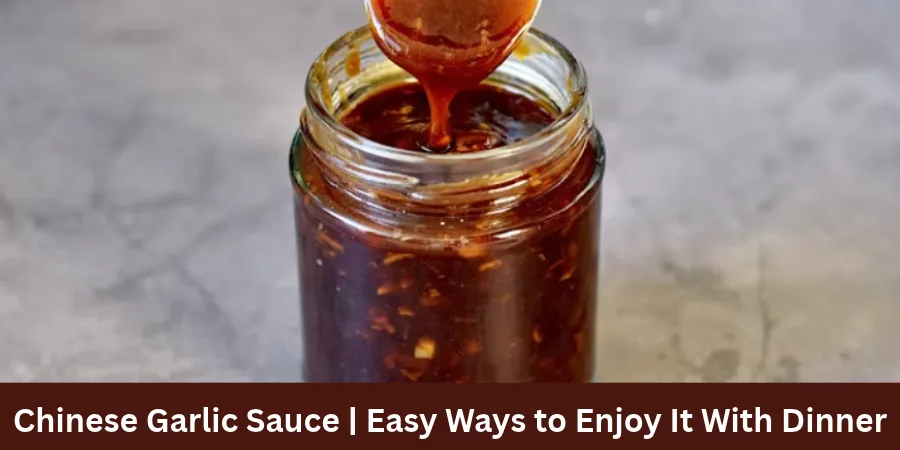
Chinese garlic sauce is a rich, glossy brown stir-fry sauce with a balanced mix of savory, salty and sweet flavors, plus optional heat. Keeping a homemade sauce ready makes it easier to prepare a quick dinner on busy evenings.
Its garlicky aroma and deeply savory taste can turn a simple pan of chicken and vegetables into a satisfying meal.
This sauce also pairs well with beef, tofu and noodles, making it a versatile option for everyday cooking.
Chinese Garlic Sauce-The Short Answer
The sauce takes approximately 9–11 minutes to prepare and cook. Making it at home lets you adjust the garlic flavor, sweetness, heat and consistency to suit your preferences. Garlic, ginger, soy sauce, rice vinegar, brown sugar and sesame oil create a flavorful sauce without complicated preparation.
Using vegetable broth makes the sauce suitable for plant-based meals. Certified gluten-free alternatives can also help you prepare a gluten-free version.
Whether you want a homemade alternative to takeout or a simple way to add more flavor to dinner, this sauce works with a variety of ingredients. Cornstarch gives it a glossy texture that coats vegetables and protein while rice vinegar and brown sugar balance the savory soy sauce.
You can adjust the oil and seasonings to your taste. If you need to avoid gluten, check the labels of your ingredients.
Why You’ll Love This Chinese Garlic Sauce
This Chinese garlic sauce is a simple way to turn plain chicken, broccoli, noodles and leftover vegetables into a satisfying meal. Garlic, ginger, soy sauce, vegetable broth, sesame oil and brown sugar create a balanced sweet-savory flavor similar to takeout-style sauces.
Its flexibility makes it useful for different meals. Serve it with your favorite protein or add it to vegetable dishes and stir-fries.
The recipe takes approximately 9–11 minutes to prepare and cook, making it a practical choice for busy evenings when you want a flavorful dinner without much effort.
A good stir-fry sauce needs the right balance of flavor and consistency. Here, a cornstarch slurry thickens the liquid and gives it a glossy finish. When prepared correctly, the sauce develops a smooth, silky texture that clings to chicken and vegetables instead of pooling at the bottom of the pan.
Briefly cooking the garlic and ginger releases their aroma. Soy sauce and vegetable broth provide the savory base, while brown sugar balances the flavor. Sesame oil adds a finishing aroma without overpowering the other ingredients.
You can adjust the sweetness to suit your preferences. Brown sugar is the standard sweetener, but maple syrup can replace it, although the flavor may change slightly.
For a vegan version, use vegetable broth and suitable plant-based ingredients. To make the sauce gluten-free, replace the soy sauce with certified gluten-free tamari and check the labels of the broth, rice vinegar and optional Chinese rice wine.
For convenient meal preparation, store leftover sauce in a clean, airtight container in the refrigerator and use it within 3–4 days. Reheat it gently in a saucepan, whisking as needed. If the sauce becomes too thick, add a little water or vegetable broth to restore its consistency.
Keep it ready to use with chicken, beef, tofu, vegetables or noodles whenever you need a quick meal.
About This Recipe
Chinese garlic sauce is commonly served with stir-fried vegetables, chicken, beef and tofu. It combines soy sauce, vegetable broth, rice vinegar, brown sugar and sesame oil to create a balance of savory, sweet and tangy flavors.
Chinese rice wine is optional and adds extra depth. Vegetable broth keeps the sauce meatless and makes it suitable for a vegan version.
Fresh garlic and ginger give the sauce its distinctive aroma, while optional red pepper flakes add a little heat. Cornstarch mixed with cold water thickens the sauce and helps it coat the ingredients evenly.
For the best consistency, simmer the sauce gently. If it becomes too thick, add a little vegetable broth or water to adjust the texture.
Ingredients Needed
- ½ cup low-sodium vegetable broth (120 ml)
- ¼ cup low-sodium soy sauce (60 ml)
- 1 tablespoon rice vinegar
- 1 tablespoon light brown sugar
- 1 tablespoon finely minced garlic
- 1 teaspoon freshly grated ginger
- 1 teaspoon neutral vegetable oil
- ½ teaspoon toasted sesame oil
- 1 tablespoon cornstarch
- 2 tablespoons cold water
- ¼ teaspoon crushed red pepper flakes (optional)
- 1 tablespoon Chinese rice wine (optional)
Ingredients Notes
Low-Sodium Vegetable Broth
Use ½ cup (120 ml) low-sodium vegetable broth as the liquid base. It helps balance the soy sauce and allows the other ingredients to blend into a pourable stir-fry sauce.
Vegetable broth also keeps the recipe meatless and suitable for a vegan version when the remaining ingredients are plant-based.
Low-Sodium Soy Sauce
Use ¼ cup (60 ml) low-sodium soy sauce for the main savory flavor. It adds saltiness and umami while balancing the sweetness of the brown sugar.
For a gluten-free version, replace it with certified gluten-free tamari. For a soy-free alternative, coconut aminos can be used, although they are naturally sweeter and less salty.
Rice Vinegar
Add 1 tablespoon rice vinegar to balance the savory and sweet ingredients. Its acidity gives the sauce a tangy flavor that complements the garlic and ginger.
Check the product label if you need to avoid particular ingredients.
Light Brown Sugar
Use 1 tablespoon light brown sugar to balance the saltiness of the soy sauce and the acidity of the vinegar.
Maple syrup can replace brown sugar, but it may change the flavor and sweetness. If using coconut aminos as a soy-free substitute, start with ½ tablespoon (approximately 6 g) brown sugar or leave it out, then taste before adding more, because coconut aminos are naturally sweeter and less salty.
Fresh Garlic
Use 1 tablespoon finely minced garlic. Garlic provides the sauce’s distinctive aroma and rich savory flavor.
Cook it gently in the vegetable oil for 30–60 seconds. Avoid browning it because burnt garlic can make the sauce taste bitter.
Fresh Ginger
Use 1 teaspoon freshly grated ginger. It adds warmth and fragrance that complement the garlic.
Cook the ginger briefly with the garlic to release its aroma before adding the liquid ingredients.
Neutral Vegetable Oil
Use 1 teaspoon neutral vegetable oil to sauté the garlic and ginger. It provides a cooking base without overpowering their flavor.
Toasted Sesame Oil
Use ½ teaspoon toasted sesame oil at the end of cooking. It contributes a nutty aroma that complements the savory sauce.
Add it after removing the pan from the heat to preserve its finishing aroma.
Cornstarch
Use 1 tablespoon cornstarch mixed with 2 tablespoons cold water to make a smooth slurry. This is the main thickener in the recipe.
Whisk the mixture until smooth and stir it again just before adding it to the pan because cornstarch settles quickly. Simmer the sauce gently for 1–2 minutes after adding the slurry until it becomes glossy and lightly thickened.
Cold Water
Use 2 tablespoons cold water to dissolve the cornstarch. Mixing the starch with cold water before heating helps prevent lumps and creates a smoother sauce.
Crushed Red Pepper Flakes (Optional)
Use ¼ teaspoon crushed red pepper flakes for optional heat. They add a mild spicy note that complements the garlic and ginger.
Reduce or omit them for a milder sauce. Increase them gradually if you prefer more heat.
Chinese Rice Wine (Optional)
Use 1 tablespoon Chinese rice wine for extra savory depth. It is optional, so the sauce can still be prepared without it.
For a gluten-free version, check the rice wine label and choose a suitable certified gluten-free alternative if necessary.
Alternative Thickeners
If you need a corn-free alternative, tapioca starch can be used in place of cornstarch. Start with 1 tablespoon tapioca starch dissolved in 2 tablespoons cold water.
Tapioca starch may produce a slightly different texture, so add the slurry gradually and check the consistency while cooking.
How to Make Chinese Garlic Sauce
This Chinese garlic sauce takes approximately 9–11 minutes to prepare. The key to a smooth, glossy sauce is to cook the garlic and ginger gently, mix the cornstarch with cold water separately and simmer the sauce until it reaches the right consistency.
Step 1: Mix the Sauce Ingredients
In a bowl, whisk together ½ cup low-sodium vegetable broth, ¼ cup low-sodium soy sauce, 1 tablespoon rice vinegar and 1 tablespoon light brown sugar until the sugar dissolves. If using Chinese rice wine, add 1 tablespoon and mix well.
In a separate small bowl, combine 1 tablespoon cornstarch with 2 tablespoons cold water. Whisk until smooth and set aside. This slurry will thicken the sauce during cooking.
Step 2: Sauté the Garlic and Ginger
Heat 1 teaspoon neutral vegetable oil in a small saucepan over medium-low heat. Add 1 tablespoon finely minced garlic and 1 teaspoon freshly grated ginger. If you prefer a spicy sauce, add ¼ teaspoon crushed red pepper flakes.
Sauté for 30–60 seconds until fragrant. Stir continuously and avoid browning the garlic because it can develop a bitter taste.
Step 3: Add the Sauce Mixture
Pour the prepared broth mixture into the saucepan with the garlic and ginger. Stir to combine, increase the heat to medium and bring the sauce to a gentle simmer.
Avoid boiling the sauce vigorously. Gentle heating allows the ingredients to blend while preserving the garlic and ginger flavor.
Step 4: Thicken the Sauce
Whisk the cornstarch slurry again immediately before adding it to the saucepan. Slowly pour it into the simmering sauce while whisking continuously to prevent lumps.
Simmer gently for 1–2 minutes until the sauce becomes glossy and thick enough to coat a spoon while remaining pourable. If the sauce becomes too thick, add a little vegetable broth or water and stir until you reach the desired consistency.
If the sauce looks too thin, dissolve 1 teaspoon cornstarch in 1 tablespoon cold water, stir in a little of this extra slurry and simmer for 30–60 seconds, then check the consistency again. Taste the sauce before adding any extra soy sauce, because it is already salty.
Remove the saucepan from the heat and stir in ½ teaspoon toasted sesame oil. Adding the sesame oil at the end helps preserve its distinctive nutty aroma.
Step 5: Serve or Use in a Stir-Fry
Use the sauce right away in a stir-fry or drizzle it over rice or noodles.
For a complete meal, cook chicken, beef or tofu separately until fully cooked, then set it aside. Cook your chosen vegetables until tender-crisp. Return the cooked protein to the pan, add the Chinese garlic sauce and toss until everything is evenly coated.
Serve with rice or noodles.
Storage After Cooking
Allow leftover sauce to cool promptly before transferring it to a clean, airtight container. Refrigerate for 3–4 days. Reheat gently and whisk to restore a smooth consistency. If the sauce becomes too thick, add a little water or vegetable broth.
Serving Ideas for Chinese Garlic Sauce
Chinese garlic sauce is a versatile addition to everyday meals. Its savory, garlicky flavor works well with stir-fried vegetables, chicken, beef, tofu and noodles. Use it as a cooking sauce or finishing drizzle, depending on the dish.
1. Add It to Chicken and Beef Stir-Fries
Toss the sauce with cooked chicken or beef and vegetables for a quick, flavorful meal. It pairs especially well with broccoli, bell peppers and mushrooms.
For the best texture, cook the protein and vegetables first. Add the sauce near the end and toss everything until evenly coated. Serve immediately with rice or noodles.
2. Serve It with Stir-Fried Vegetables
Use Chinese garlic sauce to bring extra flavor to vegetable stir-fries. Bell peppers, broccoli and mushrooms all work well with its garlic, ginger and soy sauce base.
Cook the vegetables until tender-crisp, then stir in the sauce. If it has thickened too much, add a small amount of water or vegetable broth to loosen it.
3. Serve It with Noodles and Rice Bowls
Drizzle the sauce over cooked noodles or rice for a quick meal. For noodles, add a little cooking water if you need to loosen the sauce.
Use the sauce according to the dish. Add it during cooking when you want the ingredients coated in flavor, or drizzle it over the finished dish.
Storage and Freezing
Proper storage helps keep your homemade Chinese garlic sauce fresh and ready to use. Cool the sauce promptly before transferring it to a clean, airtight container.
How to Store Chinese Garlic Sauce in the Refrigerator
Store the sauce in an airtight container in the refrigerator for 3–4 days. Let it cool before storing it, but do not leave it at room temperature for more than 2 hours.
The sauce may become thicker as it cools because of the cornstarch. When reheating, warm it gently and whisk until smooth. Add a little water or vegetable broth if needed to restore its pourable consistency.
Discard the sauce if you notice an unusual odor, mold or other signs of spoilage.
Can You Freeze Chinese Garlic Sauce?
Yes, you can freeze Chinese garlic sauce for 2–3 months for the best quality. Divide it into small portions and place them in freezer-safe, airtight containers, leaving a little space at the top for expansion. Label the container with the date.
Thaw the sauce in the refrigerator before reheating. Freezing may change the texture of a cornstarch-thickened sauce, so whisk it well while reheating. Add a little water or vegetable broth if it becomes too thick.
Tips and Tricks
Cook the garlic and ginger gently: Sauté them over medium-low heat for 30–60 seconds until fragrant. Avoid browning them because burnt garlic can taste bitter.
Use low-sodium ingredients: Low-sodium soy sauce and vegetable broth help you manage the saltiness. Taste the sauce before adding it to your stir-fry.
Prepare the cornstarch slurry separately: Mix the cornstarch with cold water and whisk it until smooth. Stir it again immediately before adding it to the sauce.
Simmer until glossy: Cook the sauce gently for 1–2 minutes after adding the slurry. Stop when it coats a spoon but remains pourable.
Avoid vigorous boiling: Excessive heat can affect the sauce’s texture. Stir continuously while thickening.
Adjust the consistency: If the sauce becomes too thick, add a tablespoon of water or vegetable broth at a time until it reaches the desired consistency. Remember that it thickens further as it cools.
Adjust the sweetness: Maple syrup can replace brown sugar, although it changes the flavor. Coconut aminos are naturally sweeter and less salty than soy sauce, so start with ½ tablespoon brown sugar or leave it out, then taste.
Control the heat: Increase or reduce the crushed red pepper flakes according to your preference.
Choose suitable alternatives: Certified gluten-free tamari can replace soy sauce, while coconut aminos provide a soy-free option. Tapioca starch can replace cornstarch (start with 1 tablespoon in 2 tablespoons cold water), although the texture may differ.
Store leftovers promptly: Transfer cooled sauce to a clean airtight container and refrigerate for 3–4 days. Reheat gently and add water or broth if needed.
Notes
Heat control: Use medium-low heat when cooking the garlic and ginger. Stir frequently to prevent them from burning.
Thickening: Always prepare the cornstarch slurry separately. Add it while whisking and simmer for 1–2 minutes until the sauce thickens.
Oil: Use 1 teaspoon neutral vegetable oil to sauté the garlic and ginger.
Sweetener: Light brown sugar is the standard choice. Maple syrup is an alternative, but it changes the flavor.
Thickener: Cornstarch is the main thickener. Tapioca starch can be used as a corn-free alternative (start with 1 tablespoon in 2 tablespoons cold water), but it may produce a different texture. Add it gradually and check the consistency.
Gluten-free and soy-free options: Use certified gluten-free tamari and check the labels on the broth, vinegar and optional rice wine. Coconut aminos are soy-free but naturally sweeter and less salty than soy sauce. If using coconut aminos, start with ½ tablespoon brown sugar or leave it out, and add a pinch of salt only if the sauce tastes under-seasoned.
Yield and consistency: The recipe makes approximately 1 cup of sauce, enough for 4 servings of about ¼ cup each. It may thicken as it cools, so add a little water or vegetable broth when reheating if necessary.
Food safety: Cool the sauce promptly and refrigerate it within 2 hours. Keep it in a clean, airtight container and use it within 3–4 days.
Nutrition Information
Approximate nutrition per ¼ cup (60 ml), based on 4 servings:
| Nutrient | Amount |
| Calories | 54 kcal |
| Carbohydrates | 7.3 g |
| Protein | 1.3 g |
| Total Fat | 2.3 g |
| Saturated Fat | 0.3 g |
| Fiber | 0.2 g |
| Total Sugars | 3.5 g |
| Sodium | 650 mg |
These values are estimates based on the listed ingredients, including vegetable oil, garlic, ginger, low-sodium vegetable broth, low-sodium soy sauce, rice vinegar, brown sugar, sesame oil and cornstarch. The estimate also includes the optional Chinese rice wine. Actual nutrition may vary depending on the brands used and the final yield.
FAQ’s
How Many Calories Are in Chinese Garlic Sauce?
One ¼-cup serving contains approximately 54 calories. The exact amount depends on the ingredients and brands used.
How Many Carbohydrates Does Chinese Garlic Sauce Contain?
One ¼-cup serving contains approximately 7.3 g of carbohydrates. Based on the estimated one-cup yield, the full batch contains around 29.2 g of carbohydrates.
Reducing the brown sugar or using a different sweetener may change the carbohydrate content and flavor. If you are monitoring carbohydrates for a specific dietary need, check the ingredients and serving size carefully.
Is Chinese Garlic Sauce Healthy?
Making Chinese garlic sauce at home allows you to control the ingredients, sweetness and sodium. Using low-sodium soy sauce and adjusting the brown sugar can help you tailor the recipe to your preferences.
Each ¼-cup serving contains approximately 650 mg of sodium, so keep portion size in mind, especially if you are watching your sodium. Its nutritional contribution also depends on the rest of your meal.
What Is Chinese Garlic Sauce Made Of?
This recipe combines low-sodium vegetable broth, soy sauce, rice vinegar, brown sugar, fresh garlic, fresh ginger, vegetable oil, toasted sesame oil and a cornstarch slurry.
The broth provides the liquid base, soy sauce adds savory flavor, vinegar balances the sweetness, garlic and ginger contribute aroma, sesame oil adds a nutty finish and cornstarch thickens the sauce. Maple syrup can replace brown sugar if desired.
How Can I Make Chinese Garlic Sauce Gluten-Free?
Replace regular soy sauce with certified gluten-free tamari. Check the labels on the vegetable broth, rice vinegar and optional Chinese rice wine to make sure they meet your dietary requirements.
Coconut aminos are another option if you need to avoid soy, but they are naturally sweeter and less salty than soy sauce. Start with ½ tablespoon brown sugar or leave it out, then taste before adding more.
What Can I Serve with Chinese Garlic Sauce?
Chinese garlic sauce pairs well with chicken, beef, tofu and stir-fried vegetables. Use it in rice bowls, noodle dishes and vegetable stir-fries. Broccoli, bell peppers and mushrooms are particularly suitable options.
For the best results, add the sauce near the end of cooking so it coats the ingredients evenly. If it becomes too thick, loosen it with a little water or vegetable broth.