Homemade Guacamole Recipe for Fresh, Easy Homemade Flavor
A good homemade guacamole does not need a long ingredient list or complicated preparation.
The key is using properly ripe avocados and a few fresh ingredients that complement their creamy texture and naturally rich flavor.
Finely diced red onion adds fresh crunch, while lime juice, jalapeño, and cilantro bring brightness and mild heat without taking away from the avocado flavor.
Homemade Guacamole-The Short Answer
A reliable homemade guacamole recipe matters because it explains how to choose ripe avocados, balance flavors, control texture, prevent browning, and store leftovers for the best results. Pasted text
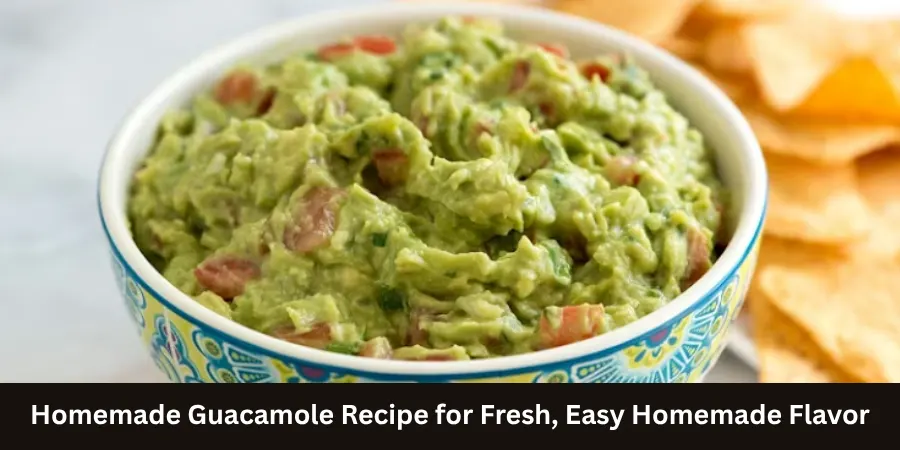
Texture also plays an important role in a great guacamole. For the best balance, mash the avocado until it is mostly creamy while keeping some small pieces for a more natural texture.
Once the avocado reaches the right consistency, gently fold in the remaining ingredients so the onion, jalapeño, and cilantro stay evenly distributed.
Fresh lime juice helps brighten the flavor, while salt and black pepper bring the ingredients together.
This simple approach keeps the guacamole fresh and flavorful without unnecessary additions. When the avocado is ripe and the ingredients are balanced, there is no need to complicate the recipe.
The result is a creamy fresh dip that works well with tortilla chips or can be spooned over tacos and grain bowls.
It also pairs nicely with grilled chicken, fish, and vegetables. The simple preparation makes it useful for everyday meals as well as casual gatherings.
Why I Love This Guacamole
I take guacamole seriously because texture and seasoning make a big difference. I prefer it partly smooth with some small avocado pieces left for a little bite.
Ripe avocados are mashed first, then red onion, jalapeño, cilantro, salt, black pepper, and lime juice are gently folded in.
Keeping avocado as the main flavor gives this homemade guacamole a fresh taste without making the recipe complicated.
The base is also easy to adjust based on your preference, whether you want a little more acidity, salt, or heat.
Since the ingredients only need a few minutes of preparation, this is a quick and simple recipe to make at home.
The same mixture can be served as an appetizer with tortilla chips, used as a dip, or added as a topping to tacos and bowls.
This guacamole also works well with many different meals. Serve it with lentil tacos, carnitas tacos, shrimp skewers, or a burrito bowl.
It pairs naturally with grilled chicken, Carne Asada, chicken fajitas, chicken tinga tacos, and crispy ground beef tacos.
For a relaxed snack, serve it with chips and drinks for an easy sharing option.
The same recipe can also add freshness and flavor to a simple dinner without requiring complicated preparation.
The recipe leaves room for variations while keeping the fresh avocado flavor at the center. You can adjust the spice level or explore different variations while maintaining the same basic preparation.
Unlike pre-made guacamole, making it at home allows you to control the texture and seasoning from the beginning.
The avocado provides plant-based fats, making this a satisfying addition to different meals without needing a complicated recipe.
Ingredients Needed
- 3 large or 4 medium ripe Hass avocados (approximately 600 g edible flesh)
- ¼ cup finely diced red onion (about 40 g)
- 1 medium jalapeño, seeded and finely minced (about 15 g)
- ¼ cup finely chopped fresh cilantro (about 4.5 g)
- 1½ tablespoons fresh lime juice (about 22.5 ml)
- 3 g kosher salt (about ¾ teaspoon Morton or 1–1¼ teaspoons Diamond Crystal)
- ¼ teaspoon freshly ground black pepper (about 0.5 g)
Optional:
- 1 medium Roma tomato (about 100 g), prepared amount about 60 g
Ingredients Notes
Ripe Hass avocados are the foundation of this guacamole. Use 3 large or 4 medium ripe avocados with approximately 600 g edible avocado flesh.
The avocado should be properly ripe so it can be mashed easily while still maintaining a fresh flavor and creamy texture.
If the prepared avocado weighs less than 600 g, adjust the remaining ingredients by the same ratio to keep the recipe balanced.
Red onion adds fresh crunch and a mild sharp flavor. Use ¼ cup finely diced red onion, which is approximately 40 g.
Cutting the onion into small pieces helps distribute the flavor evenly throughout the guacamole without overpowering the avocado.
Jalapeño provides controlled heat and a fresh pepper flavor. Use 1 medium jalapeño, seeded and finely minced, at approximately 15 g.
The amount can influence the spice level, while keeping the pieces small helps spread the heat evenly.
Fresh cilantro adds a bright herbal flavor. Use ¼ cup finely chopped cilantro, approximately 4.5 g.
It complements the avocado without taking away from the main flavor of the guacamole.
Fresh lime juice brightens the rich avocado flavor. Use 1½ tablespoons lime juice, approximately 22.5 ml.
The acidity helps balance the richness of the avocado while adding freshness to the mixture.
Kosher salt and black pepper bring the ingredients together. Use 3 g kosher salt and ¼ teaspoon freshly ground black pepper, approximately 0.5 g.
The gram measurement is the primary salt measurement because teaspoon amounts can vary between salt brands.
Taste after mixing and make only small adjustments if needed.
The avocado texture is an important part of this recipe. Mash the avocado until it is approximately 70–80% creamy while keeping 20–30% small avocado pieces.
This creates a fresh texture instead of turning the guacamole into a completely smooth puree.
Add the red onion, jalapeño, cilantro, lime juice, salt, and black pepper after mashing the avocado.
Gently fold the ingredients together to keep the texture fresh and prevent overworking the avocado.
Fresh tomatoes are an optional variation rather than part of the base formula. If using tomato, choose 1 medium Roma tomato at approximately 100 g.
Core it, remove the seeds and excess liquid, then finely dice the prepared amount to about 60 g. Fold it in at the final stage to add freshness without making the guacamole watery.
How to Make Guacamole
Step 1: Prepare the Avocados
Start with ripe avocados because proper ripeness is important for achieving the right texture and flavor.
Underripe avocados can be too firm to mash properly, while overripe avocados may have a softer texture and less desirable flavor. Cut the avocados in half lengthwise and remove the pits.
Scoop the avocado flesh from the skin and place it in a large bowl with enough room for mashing.
Step 2: Mash the Avocado
Use a fork to mash the avocado or use a potato masher if you prefer.
Mash the avocado until it is mostly creamy while keeping some small pieces for texture.
The goal is to create a partly smooth guacamole rather than a completely smooth puree. Keeping some avocado pieces gives the finished dip a more natural texture.
Step 3: Add the Fresh Ingredients
Remove the seeds from the jalapeño before mincing it, which keeps the heat moderate.
Once the avocado reaches the desired consistency, add the finely diced red onion, minced jalapeño, chopped cilantro, lime juice, salt, and black pepper.
Keep the onion pieces small so the raw onion flavor does not overpower the avocado. Gently stir or fold the ingredients together, about 15–20 gentle folds, until everything is evenly incorporated and there are no large unmixed pockets.
Avoid aggressively mixing the guacamole because overworking the avocado can affect the fresh texture.
Step 4: Adjust the Flavor
Taste the guacamole after mixing. Add small amounts of extra salt, pepper, or lime juice if needed.
This recipe uses a seeded jalapeño for moderate heat. If you want more heat, add a little more finely minced jalapeño gradually. This allows you to control the spice level while keeping the fresh jalapeño flavor.
Step 5: Add Optional Tomato
If using tomatoes, prepare them separately. Core the tomato and remove the seeds and excess liquid before finely dicing.
Fold the prepared tomato into the guacamole at the end.
The base recipe does not require tomato because keeping it out helps maintain a thicker texture and allows the avocado to remain the main flavor.
The tomato variation adds freshness while keeping the same basic preparation.
Step 6: Serve
Once the guacamole is ready, serve it immediately with tortilla chips. The finished mixture should be easy to scoop while still keeping small pieces of avocado.
This method keeps the preparation simple while maintaining the creamy texture and fresh flavor intended for the base recipe.
Variations To Try
Spicy Guacamole
For more heat, add an extra 5–10 g finely minced jalapeño gradually, or replace part of the jalapeño with serrano pepper. Serrano adds a sharper pepper flavor while increasing the spice level.
Traditional Molcajete Preparation
A molcajete is a traditional Mexican mortar and pestle that can be used to smash the guacamole ingredients together before serving. This provides a traditional preparation option while keeping the same fresh avocado flavor.
Tomato Guacamole
Tomatoes can be added as a classic variation. Use Roma tomatoes and remove the seeds and excess liquid first.
This helps prevent the guacamole from becoming watery while keeping the tomato flavor fresh.
Smoky Guacamole
For a smoky flavor, add 1–2 teaspoons of adobo sauce from canned chipotle peppers (start with 1 teaspoon) or ½ teaspoon chipotle powder. Add it gradually so the smoky flavor stays balanced with the avocado.
Adobo sauce is liquid, so it can make the texture slightly looser.
These variations make it easy to create different versions of guacamole while keeping the fresh texture and avocado flavor that define the recipe.
Easy Serving Ideas
Homemade guacamole is easy to serve in different ways. The classic option is serving it with crispy tortilla chips as a fresh appetizer or snack.
It can also be used as a topping for tacos, grain bowls, and other meals where the creamy avocado flavor adds freshness.
Guacamole pairs well with grilled dishes such as chicken, fish, and vegetables. It also works with tacos including lentil tacos, carnitas tacos, and other flavorful taco recipes.
For a lighter option, serve it with sliced vegetables such as bell peppers, cucumbers, and carrots.
You can also spoon guacamole over grain bowls or enjoy it with burrito bowls. For a simple snack, spread it over toast or serve it alongside fresh vegetables.
These options allow the creamy avocado texture and fresh flavor to complement different meals without making the guacamole feel heavy.
How to Store Guacamole
Guacamole is best served fresh, so it is usually recommended to prepare it close to serving time.
If you need to make it ahead, prepare it about one to two hours before serving.
Place the finished guacamole in the bowl you plan to use and protect the surface from air exposure.
The lime juice helps provide acidity, while limiting air exposure helps slow down browning.
To keep the guacamole fresh, press plastic wrap directly onto the surface instead of leaving the top exposed.
This creates a barrier between the avocado and air until you are ready to serve.
Refrigerate the covered guacamole during this time instead of leaving it at room temperature.
For leftover guacamole, transfer it to an airtight container and press plastic wrap directly over the surface.
Keep it refrigerated and use it within 1–2 days for the best texture and fresh flavor. Before serving, remove the cover and stir gently.
Tips for Perfect Avocado Ripeness
When making guacamole, plan ahead and allow firm avocados to ripen at home on the counter.
Buying firmer avocados helps avoid bumps and bruises that can happen when softer fruit is handled.
Allow them time to reach the right ripeness before using. To check an avocado, look at the skin color depending on the variety, then gently squeeze it.
A ripe avocado should yield slightly to pressure without feeling mushy. Since color can vary between avocado varieties, texture is a more reliable sign of ripeness.
If avocados need to ripen faster, place them in a brown paper bag with a banana. This can speed up the ripening process compared with leaving them on the counter alone. It usually takes about 1–2 days.
Check them regularly so they do not become too soft. You can also check the stem area.
If the stem comes off easily and there is a green color underneath, the avocado is likely ready to use.
If it feels very soft or mushy, it may already be overripe.
If your avocados are already ripe but you are not ready to use them, place them in the refrigerator.
This slows down the ripening process and helps extend their usable time.
For prepared guacamole, the best way to prevent browning is to limit air exposure. Press plastic wrap directly against the surface and store it in an airtight container.
The avocado pit should not be relied on as a substitute for covering the surface because it does not protect exposed guacamole from air.
Notes
I usually make this guacamole fresh when I plan to serve it with tacos or as an appetizer.
Homemade tortilla chips are a great option, but a store-bought bag of chips works well too.
This recipe uses 3 large or 4 medium avocados and makes approximately 3 cups of guacamole, which is enough for about 8 people.
The batch size can be adjusted depending on how you plan to serve it.
Make a larger amount when serving it as an appetizer for a group, or prepare less when using it as a taco topping or garnish.
Tomato can be added as an optional variation when you want extra freshness. If using tomato, core and seed a medium tomato, remove excess liquid, and finely chop it.
Use about 60 g of prepared tomato and fold it in at the end to help keep the guacamole fresh without adding too much moisture.
Nutrition Insight
For one serving of homemade guacamole, the estimated nutrition information is:
- 124 kcal
- 7.3 g carbohydrates
- 1.6 g protein
- 11.0 g total fat
- 1.6 g saturated fat
- 1.3 g polyunsaturated fat
- 7.4 g monounsaturated fat
- 5.3 g fiber
- 0.8 g sugar
- 154 mg sodium
- 381 mg potassium
The serving size is approximately 86 g, with the recipe divided into 8 equal servings.
These values are calculated estimates based on the specified ingredient quantities for the base recipe.
Actual nutrition may vary slightly depending on avocado size, produce, and the salt brand used.
Frequently Asked Questions
How Do I Know When an Avocado Is Ripe?
When choosing avocados for guacamole, it helps to buy firm avocados and allow them to ripen at home.
This can help prevent bumps and bruises that may happen when softer fruit is handled. Leave the avocados on the counter and gently squeeze them to check the texture.
A ripe avocado should yield slightly to pressure without feeling mushy. When it reaches this stage, it is ready to use for guacamole.
What Is Traditional Guacamole Made Of?
Traditional guacamole is centered around creamy avocados, fresh lime juice, onion, chile pepper, and salt.
Fresh cilantro can add a bright herbal flavor, while tomatoes can be included as an optional variation. Garlic is not included in the base recipe.
How Do I Quickly Ripen an Avocado?
For avocados that need to ripen faster, place them in a brown paper bag with a ripe banana. The banana releases ethylene gas, which can speed up the ripening process.
Check the avocados regularly during ripening so they do not become too soft. Once they reach the right texture, use them for the best flavor and consistency.
How Do I Keep Guacamole From Turning Brown?
If preparing guacamole ahead of time, protect the surface because air exposure can cause browning.
The acidity from lime juice helps slow down browning, while limiting air contact helps protect the color and freshness.
Cover the surface tightly with plastic wrap and press it directly against the guacamole. This helps reduce exposure to air until you are ready to serve.
How Should I Store Leftover Guacamole?
For leftover guacamole, transfer it to an airtight container. Press plastic wrap directly over the surface before sealing to limit air exposure.
Store it in the refrigerator and use it within two days for the best texture and fresh flavor. These same steps can also help when preparing guacamole ahead of time.