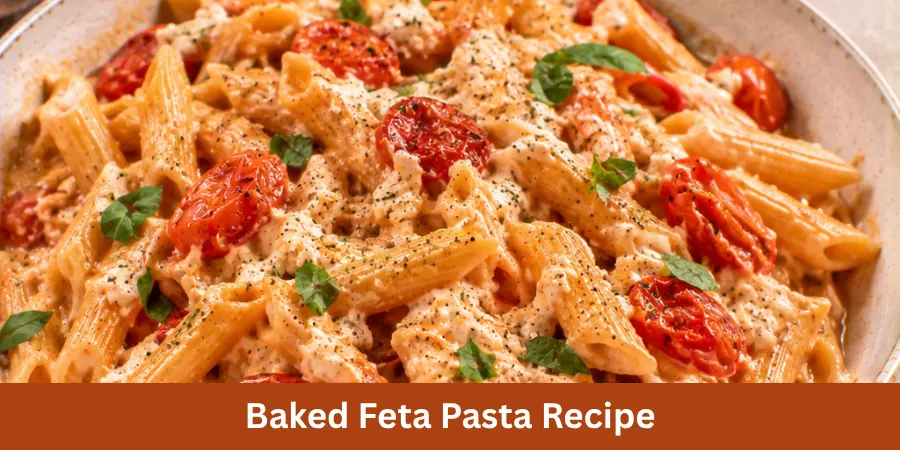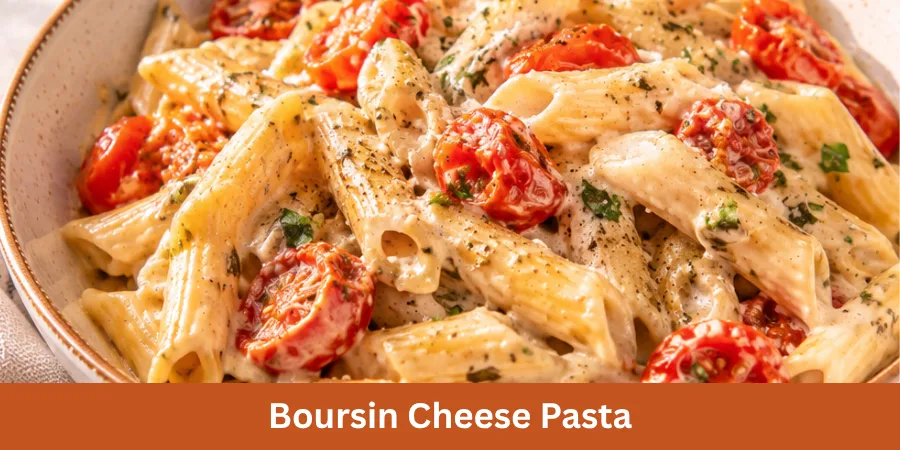
Boursin Cheese Pasta
If you want a simple pasta dinner that feels special without complicated preparation, this Boursin Cheese Pasta is a comforting choice.
Roasted tomatoes bring natural sweetness and acidity, while Boursin Garlic & Fine Herbs cheese melts into the tomato juices to create a creamy sauce.
Tossed with perfectly cooked pasta and finished with fresh basil, this dish delivers a rich texture with a fresh herbal flavor.
Boursin Cheese Pasta-The Short Answer
This Boursin Pasta is well suited for weeknights because most of the work happens in one baking dish while the pasta cooks separately.
The tomatoes soften and burst as they roast, allowing their juices to blend with the cheese.
Reserved pasta water can then be added gradually to adjust the sauce and help it coat the pasta evenly without becoming watery.
The result is an easy, flavorful, and comforting vegetarian meal (when made with vegetarian-suitable cheeses; check the labels) that can also work as a side dish.
I especially like this method when I want an effortless comfort meal with more depth than a basic creamy pasta.
The combination of roasted tomatoes, garlic, herbs, and melted cheese creates a delicious meal without a long cooking process.
Why This Boursin Cheese Pasta Works
I love this Boursin cheese pasta recipe because it brings together simple ingredients to create a creamy and satisfying meal without much effort.
The roasted tomatoes develop natural sweetness and depth in the oven, while the Boursin cheese melts into a smooth and flavorful sauce.
Pasta water helps adjust the consistency, giving the sauce a texture that coats the pasta evenly.
This combination makes Boursin a useful ingredient when you want a comforting pasta dish without using heavy cream in the base recipe.
The method uses straightforward steps and keeps the ingredient list manageable, making it a practical choice for busy nights.
The recipe is also easy to customize while keeping the creamy Boursin and roasted tomato base at the center.
You can add roasted vegetables, fresh chopped spinach, or chicken when you want to change the dish while maintaining the main flavors.
Ingredients Needed
Serves 4 moderate portions (about 480 kcal each), or 3 large portions for bigger appetites.
A digital kitchen scale is recommended, because small amounts like 1 g of oregano and 0.5 g of pepper are hard to measure with spoons.
- 227 g (8 oz) dry short pasta
- 150 g Boursin Garlic & Fine Herbs cheese (1 package)
- 567 g (20 oz) cherry tomatoes or grape tomatoes
- 40 g (about ¼ cup) thinly sliced red onion
- 9 g garlic (about 3 cloves)
- 45 ml (3 tablespoons) extra-virgin olive oil
- 1 g (½ teaspoon) dried oregano
- 3 g salt for the tomato mixture (about ½ teaspoon Morton kosher salt or table salt; use the gram weight as the authority, since Diamond Crystal is lighter per teaspoon)
- 0.5 g (¼ teaspoon) freshly ground black pepper
- 10 g (about ¼ cup) fresh basil, thinly sliced
- 2 liters water for cooking the pasta
- 20 g salt for the pasta water
- 60–90 ml reserved pasta water, as needed
- 10 g (2 tablespoons) grated Parmesan cheese (optional)
- Red pepper flakes (optional)
Ingredients Notes
The pasta creates the main base of this Boursin cheese pasta. Use 227 g dry short pasta, such as penne, rotini, rigatoni, or farfalle.
Cook the pasta until al dente so it maintains its texture after being combined with the creamy sauce.
Reserve 120 ml pasta water before draining because this starchy liquid helps adjust the sauce consistency and allows it to coat the pasta evenly.
Salt the pasta water at about 1% (20 g salt for 2 liters of water) so the pasta is seasoned from the inside. The reserved pasta water is salty, so taste the sauce before adding any extra salt.
Boursin Garlic & Fine Herbs cheese creates the creamy sauce base. Use 150 g Boursin cheese and remove all foil and packaging before placing it in the baking dish.
As the cheese softens with the roasted tomatoes, it blends with their juices to create a smooth sauce with garlic and herb flavor.
The roasted tomato mixture provides moisture, sweetness, acidity, and depth.
Use 567 g cherry tomatoes or grape tomatoes, 40 g red onion, and 9 g garlic. The tomatoes soften and release their juices during roasting, while the red onion adds sweetness.
Lightly smash the garlic instead of finely mincing it so it can roast with the tomatoes without burning.
Extra-virgin olive oil helps the vegetables roast properly and adds richness to the sauce. Use 45 ml olive oil along with 1 g dried oregano, 3 g salt, and 0.5 g black pepper.
The oregano adds a light herbal note, while the measured seasoning balances the roasted tomato and cheese flavors.
Fresh basil adds a bright herbal finish. Use 10 g thinly sliced fresh basil, folded in right after the dish comes out of the oven.
Adding basil after mixing helps maintain its fresh flavor and keeps it noticeable against the creamy cheese sauce.
Grated Parmesan cheese is optional. Use 10 g Parmesan if you want an extra savory finish.
Keep the amount limited because Boursin cheese and salted pasta water already provide plenty of savory flavor.
This base recipe does not include heavy cream or butter. The creamy texture comes from the Boursin cheese, roasted tomato juices, olive oil, and reserved pasta water.
Keeping the formula focused on these ingredients allows the Garlic & Fine Herbs flavor and roasted tomatoes to remain noticeable.
How to Make Boursin Cheese Pasta
Place the oven rack in the center position and preheat the oven to 400°F (205°C). Preheat for at least 15–20 minutes so the oven is fully hot before the tomatoes go in.
Use a 9×13-inch baking dish. Spread the sliced red onion and smashed garlic cloves on the bottom of the dish.
Add the cherry tomatoes on top, so the garlic and onion stay underneath the tomatoes and roast gently without burning.
Drizzle everything with olive oil, then season with dried oregano, salt, and black pepper.
Toss the vegetables until they are evenly coated with the oil and seasonings, and spread them in a mostly single layer. Do not crowd the dish.
Remove all foil and packaging from the Boursin, then place the cheese in the center of the dish. Do not bury it completely.
Roast on the center rack for 25–30 minutes until several tomatoes burst, the onion softens, and the Boursin becomes noticeably softened.
Check the tomatoes at 25 minutes. If they are still firm, roast for 3–5 more minutes.
Timing the pasta with the roasting (minutes counted from when the dish goes into the oven):
- Minute 0: Put the tomato dish in the oven.
- Minutes 5–8: Set 2 liters of water in a covered large pot over high heat.
- Minute 15: When the water is at a rolling boil, add 20 g salt and 227 g dry short pasta. Cook according to the lower end of the package cooking time so it stays al dente.
- Minutes 24–25: Reserve 120 ml pasta water, then drain the pasta without rinsing it. Check the tomatoes at the same time.
- If the tomatoes need 3–5 more minutes, cover the drained pasta and hold it for no more than 5 minutes.
Carefully remove the baking dish from the oven.
Mash the roasted garlic, then gently stir the softened Boursin with the roasted tomatoes and their juices until a creamy sauce forms.
Add 30 ml reserved pasta water and mix until the sauce becomes smooth.
If needed, add another 15 ml pasta water at a time until the sauce reaches the desired consistency.
The amount needed can vary, but around 60–90 ml of pasta water is normally enough.
The finished sauce should coat the pasta evenly while remaining creamy rather than watery.
Add all of the drained pasta (227 g dry pasta weighs roughly 450–500 g once cooked, so there is no need to weigh it again) to the baking dish and gently fold everything together until the noodles are evenly coated.
Avoid adding too much liquid at once because the goal is a creamy sauce that clings to the pasta.
After the dish is out of the oven, fold in the fresh basil.
Add grated Parmesan if desired, then allow the pasta to rest for 1–2 minutes before serving.
This short resting time helps the sauce settle and coat the pasta properly.
For leftovers, cool the pasta within 2 hours and store it in an airtight container in the refrigerator for up to 4 days.
Reheat gently over low to medium-low heat and add a small amount of water or broth if the sauce has thickened.
Easy Variations
There are several simple ways to change this pasta while keeping the Boursin cheese and roasted tomato flavors at the center.
These variations allow you to adjust the dish based on your preference while maintaining the creamy sauce and roasted tomato base.
The nutrition values in this article apply to the base recipe only, not to the variations below.
Creamier Boursin Pasta
For a creamier version, add 60 ml heavy cream during the final sauce stage. Add the cream gradually while mixing the sauce.
Because cream changes the consistency, start with less pasta water and adjust only if needed. This creates a richer texture while keeping the Boursin flavor noticeable.
Chicken Boursin Pasta
For a more filling meal, add 450 g boneless skinless chicken breasts.
Pat the chicken dry with a paper towel, then season it with about 2 g salt and a little black pepper.
Heat 15 ml olive oil in a skillet over medium-high heat and sear the chicken for 5–6 minutes per side, depending on thickness.
The chicken should reach an internal temperature of 74°C (165°F). Check with an instant-read thermometer.
Allow the cooked chicken to rest for 5 minutes, then cut it into 2–3 cm pieces.
Fold the chicken into the finished pasta.
To save time, cook the chicken in a skillet on a second burner while the tomatoes roast, starting at about minute 8, so it is rested and ready when the pasta is combined.
The sauce may become slightly thinner with the added chicken, so start with the lower amount of reserved pasta water and adjust as needed.
Spicy Boursin Pasta
For some heat, add ¼ teaspoon red pepper flakes to the tomato mixture before roasting.
Increase gradually according to your preferred spice level.
Adding the spice slowly allows you to control the heat without overpowering the roasted tomato and herb flavors.
Spinach Boursin Pasta
For a spinach variation, add 60 g baby spinach during the final mixing stage.
Toss for 1–2 minutes until the spinach wilts.
The spinach adds color and a fresh vegetable element while keeping the creamy Boursin sauce as the main flavor.
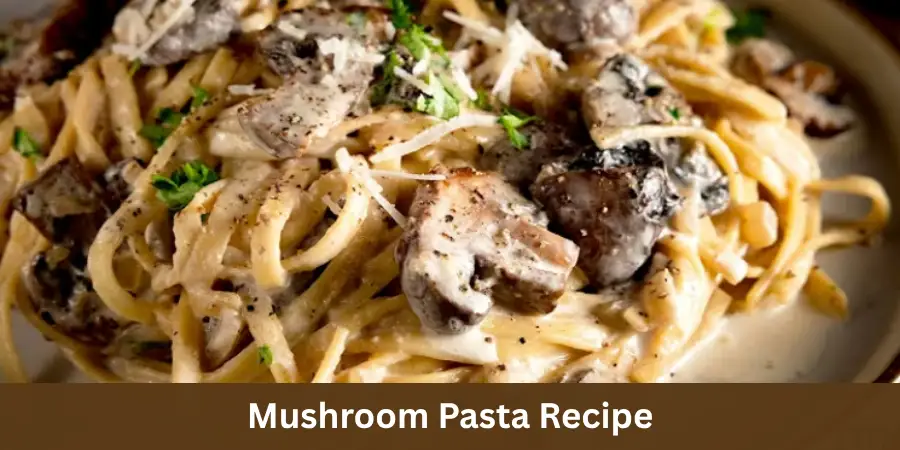
Mushroom Boursin Pasta
For mushrooms, use 150 g sliced mushrooms.
Cook them separately in 15 ml olive oil over medium-high heat for 6–8 minutes.
Allow the moisture to cook away so the mushrooms become golden brown before adding them to the pasta.
Cooking them separately helps prevent extra liquid from making the dish watery.
Lemon Herb Boursin Pasta
Add 2 g finely grated lemon zest after mixing the pasta and sauce.
The lemon zest adds a brighter finish and helps balance the creamy cheese and roasted tomato flavors.
Can I Add Chicken to This Recipe?
Yes, chicken can be added to this recipe for a more filling meal. Chicken breasts pair well with the creamy Boursin sauce and roasted tomatoes.
This variation works well when you want extra protein without making the recipe complicated.
Cook the chicken separately instead of placing it directly in the baking dish, so the tomatoes roast properly and the sauce does not become watery.
Cooking time depends on the thickness of the chicken pieces, so make sure the chicken reaches 74°C (165°F) in the thickest part before adding it to the pasta.
The chicken and cheese combination creates an easy and flavorful variation. Follow the Chicken Boursin Pasta steps above for the full method.
Serving Ideas
Keep the finishing simple so the creamy Boursin sauce and roasted tomato flavors remain balanced.
Fold in fresh basil right after the dish comes out of the oven, then add a little freshly grated Parmesan cheese if desired.
The basil adds freshness, while Parmesan provides a slightly richer finish.
If you enjoy some heat, add a light sprinkle of red pepper flakes.
Let the pasta rest for 1–2 minutes after mixing so the sauce settles and coats the pasta evenly.
Serve warm while the sauce is still creamy.
Storage and Reheating
Once the Boursin pasta has cooled (within 2 hours), store the leftovers in an airtight container in the refrigerator for up to 4 days. Keep the pasta properly covered so it does not dry out or absorb other refrigerator odors.
For the best reheating results, use a skillet over low to medium-low heat. Place the pasta in a skillet and add 15–30 ml water or broth.
Gently warm the pasta while stirring frequently, adding small amounts of liquid if needed until the sauce becomes creamy again and coats the noodles.
Avoid using high heat because the Boursin-based sauce can separate if it boils. Gentle reheating helps maintain the smooth texture of the cheese sauce.
For microwave reheating, place a serving in a microwave-safe bowl and add 15 ml water or broth.
Heat for 60 seconds, then stir. Continue heating in 20–30 second intervals, stirring between each interval, until the pasta is fully warmed.
A refrigerated serving will normally take about 90–120 seconds in total.
The center of the serving should reach 74°C (165°F).
Expert Tips
Never boil the sauce. When reheating leftovers, use low to medium-low heat, because high heat can make the Boursin sauce separate.
Save some pasta water before draining. The starchy liquid helps bring the sauce together and can be used to thin the pasta if it becomes too thick.
It also helps the sauce stick to the pasta and coat the noodles evenly.
For the pasta variety, short pasta or textured pasta works best because it holds the creamy sauce well.
Before adding extra liquids, taste the sauce first. If needed, add reserved pasta water gradually to thin the sauce without making it too loose.
If the sauce is too loose, toss the pasta gently for 1–2 minutes. If it is still loose, return the dish to the 400°F (205°C) oven for 3–5 minutes, then toss again.
If the sauce tastes too sharp, roast the tomatoes 3–5 minutes longer or stir in a pinch of sugar (about 1 g). Basil brightens the flavor but does not reduce acidity.
Do not skip fresh basil. Sliced basil leaves add a fresh flavor and beautiful color to the dish. Stir them into the sauce at the end so the herbal flavor remains noticeable.
Notes
I adapted this recipe from my baked feta chicken pasta. If you want to experiment with flavors, you can try another variety of Boursin cheese.
To double the recipe, use two baking dishes instead of one. Do not crowd the tomatoes, because crowding makes them steam instead of roast.
For adding chicken, use boneless skinless chicken breasts. Season them with salt and pepper and cook them separately before folding them into the finished pasta.
Make sure the chicken reaches an internal temperature of 165°F (74°C) in the thickest part of the breast.
For the base recipe, coat the tomatoes, onion, and garlic with olive oil and seasonings, then place the Boursin in the middle of the dish before baking.
Roast the tomatoes for about 25–30 minutes until they soften and burst.
At the same time, the cheese becomes soft enough to combine with the roasted tomato juices and create the sauce.
If you use gluten-free pasta, cooking time and sauce consistency may vary, so follow the package directions and adjust with reserved pasta water.
Reserved pasta water is useful for adjusting the sauce gradually, especially when it becomes too thick.
Add a small amount at a time and gently toss until the desired consistency is reached.
The base recipe does not use butter or heavy cream.
These ingredients can be used in specific variations when you want a richer version.
Nutrition Insight
The nutrition information for Boursin Cheese Pasta is an approximate estimate and was not calculated with nutrition software.
For the base recipe divided into 4 equal servings, each serving provides approximately:
- 480 kcal
- 50 g carbohydrates
- 11 g protein
- 25 g total fat
- 11 g saturated fat
- 4 g fiber
- 6 g sugar
- Approximately 700 mg sodium (includes the salt in the pasta water)
- 45 mg cholesterol
These figures are estimates and can vary depending on the specific Boursin, pasta, tomato, and salt brands used.
The values apply to the base recipe only. They do not include optional Parmesan, and they do not apply to the cream, chicken, mushroom, or other variations.
Frequently Asked Questions
Can I use a different type of pasta for Boursin Cheese Pasta?
Yes. This recipe works well with other short pasta shapes such as penne, rotini, rigatoni, or shells. Short pasta helps hold the creamy Boursin sauce and roasted tomato mixture.
If you use a different shape, cook it according to the package directions until al dente. Reserve some pasta water before draining because it helps loosen the sauce and gives it a smoother texture.
Can I make Boursin Cheese Pasta with chicken?
Yes. Cooked chicken can be added to make the pasta more filling. Use cooked chicken breast or leftover rotisserie chicken and cut it into bite-sized pieces.
Stir the chicken into the pasta after combining the Boursin cheese, roasted tomatoes, and pasta. This keeps the chicken coated in the creamy sauce without changing the main preparation.
How do I make Boursin Cheese Pasta creamier?
For a creamier sauce, add a little more reserved pasta water while mixing the Boursin cheese with the roasted tomatoes. Add it gradually rather than all at once until the sauce reaches the texture you want.
Boursin already melts into a creamy sauce, while the starchy pasta water helps bind everything together and prevents the sauce from becoming too thick.
Can I make this pasta spicy?
Yes. Red pepper flakes are an easy way to add heat without changing the basic recipe. Add them to the roasted tomato mixture before baking or stir them into the finished pasta.
Start with a small amount and add more if needed. The garlic, herbs, roasted tomatoes, and Boursin cheese still remain the main flavors.
How should I store and reheat Boursin Cheese Pasta?
Store leftover pasta in an airtight container in the refrigerator for up to 4 days. When reheating, add a small splash of water or reserved pasta water to loosen the sauce because it can thicken after refrigeration. Reheat gently until warmed through and stir well before serving. Fresh basil can be added after reheating to refresh the flavor.