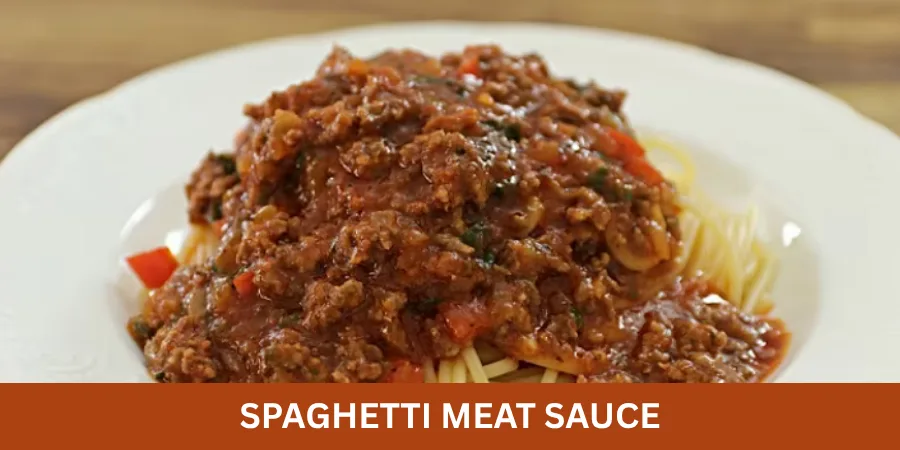
Spaghetti Meat Sauce
When I need a quick dinner after a busy day, homemade spaghetti meat sauce is one of the meals I turn to for a simple weeknight option.
It has a beefy, flavorful base made with canned tomatoes and dried seasonings, then everything cooks together in one pot on the stove top. The sauce needs at least 30 minutes to simmer, while 45 minutes is the standard cooking target for a more developed flavor and the intended consistency.
Spaghetti Meat Sauce-The Short Answer
It makes a warm and comforting meal without requiring several pots and pans.
For family dinners, I like serving this sauce over pasta noodles because the rich tomato and beef mixture coats the pasta well.
It is also freezer friendly, so a batch can be prepared ahead for a quick meal anytime.
The idea of an easy dinner came up when I asked people on my personal Facebook page what makes a meal practical for busy working parents.
They mentioned things such as the number of ingredients, how many pots and pans were needed, and how long dinner took to make.
Those same considerations make this recipe useful when you want homemade food without a complicated cooking process.
Homemade spaghetti meat sauce is a regular in my house, especially when I want a delicious dinner that feels familiar and satisfying.
This recipe combines seasoned meat with a rich tomato sauce and spaghetti for a simple meal that my kids often request.
They are still young, but I hope it becomes one of those recipes they remember when they are older, come back home, and ask for it again.
With a few basic ingredients and enough time, the sauce develops the kind of flavor that makes an everyday meal feel like true comfort food.
I like cooking the sauce on the stove top, where it simmers gently and fills the kitchen with the familiar scent of a meal made at home.
The slow cooking helps the tomato base, meat, and seasonings come together while keeping the sauce rich enough to coat the pasta.
Although canned tomatoes provide plenty of convenience, making a homemade dinner from scratch gives this classic dish its comfort food appeal.
It is a practical recipe to make when I have some time and want a satisfying meal without making the cooking process complicated.
Why You’ll Love This
I was inspired by the Olive Garden menu and its spaghetti with meat sauce, but I wanted a homemade version that would be easier to prepare on a regular weeknight.
This Homemade Spaghetti Meat Sauce Recipe combines ground beef with Italian sausage for a rich, savory base, while sweet onion and garlic build the aroma.
The tomato base uses canned tomatoes, crushed tomatoes, diced tomatoes, and tomato paste to create a balance of body and texture.
Basil, oregano, and other dried seasonings add an Italian-style flavor without making the ingredient list complicated.
If you prefer a smoother sauce, the tomato mixture can be blended in a blender before serving to reduce the larger tomato chunks.
The flavor is simple but delicious, with granulated sugar helping balance the natural acidity of the tomatoes rather than making the sauce sweet.
A little salt and pepper can be adjusted to your preference after simmering.
I like this approach because the sauce develops plenty of flavor without requiring a long list of complicated ingredients.
The combination of beef and sausage gives the sauce a satisfying richness while keeping the ground beef as the main meat.
It also works well for meal preparation because a large batch can be divided into portions and saved for an easy meal in the future.
The cooking method is another reason this meat sauce recipe works well.
Everything comes together in one pot, which keeps the number of dishes low.
Although 30 minutes is the minimum simmer time, the standard target is about 45 minutes for a more concentrated flavor and consistent texture.
Serve it with spaghetti using one more pot, or pair the sauce with another pasta shape for an easy dinner or pasta night.
Once prepared, the sauce can be portioned, refrigerated, or frozen, giving you a comforting meal ready whenever you need it.
Ingredients Needed
1 tablespoon olive oil
1 medium sweet onion, such as Vidalia, diced
1 pound 90% lean ground beef
½ pound Italian sausage
6 cloves garlic, minced
28 ounces crushed tomatoes
14.5 ounces diced tomatoes
6 ounces tomato paste
½ cup beef broth
2 teaspoons Italian seasoning
1 teaspoon dried basil
½ teaspoon dried oregano
1 tablespoon granulated sugar
½ teaspoon fine salt for initial seasoning
½ teaspoon fine salt reserved for final seasoning
½ teaspoon freshly ground black pepper
¼ teaspoon crushed red pepper flakes (optional)
Ingredients Notes
For this spaghetti meat sauce, start with 1 tablespoon olive oil and 1 medium onion, preferably a sweet onion such as Vidalia.
White or yellow onion also works well.
The onion creates the aromatic base of the sauce and adds natural sweetness as it softens during cooking.
For the meat base, use 1 pound 90% lean ground beef and ½ pound Italian sausage.
The beef keeps the sauce hearty and beef-forward, while the sausage adds extra savory flavor and richness without taking over.
I prefer lean ground beef because it leaves less excess grease, although the fat percentage can be adjusted according to preference.
Garlic adds an important layer of flavor to the sauce.
Use 6 cloves garlic, minced, and add it after the meat has browned so it can become fragrant without burning.
Fresh garlic gives the strongest flavor, but minced, pressed, chopped, jarred garlic, or garlic paste from a tube can also be used when convenient.
The tomato base uses 28 ounces crushed tomatoes, 14.5 ounces diced tomatoes, and 6 ounces tomato paste.
The crushed tomatoes provide the main body of the sauce, while the diced tomatoes add some texture.
Tomato paste concentrates the tomato flavor and helps give the finished sauce a thicker consistency.
If you prefer a smoother sauce with fewer tomato chunks, the diced tomatoes can be blended before adding them.
Add ½ cup beef broth to loosen the tomato base and provide additional savory depth without making the sauce watery.
This amount works with the formula because the recipe already contains a substantial amount of tomatoes and tomato paste.
For the seasoning, use 2 teaspoons Italian seasoning, 1 teaspoon dried basil, ½ teaspoon dried oregano, 1 tablespoon granulated sugar, ½ teaspoon fine salt for the initial seasoning, ½ teaspoon fine salt reserved for final seasoning, and ½ teaspoon freshly ground black pepper.
The Italian seasoning provides a balanced dried herb base, while basil and oregano strengthen the classic Italian-style flavor.
Rosemary and thyme may already be present in the Italian seasoning blend, so there is no need to add large amounts of separate dried herbs.
Sugar is included to balance the natural acidity of the canned tomatoes rather than make the sauce sweet.
Start with the measured amount and adjust only after the sauce has simmered and been tasted.
For gentle warmth, add ¼ teaspoon crushed red pepper flakes.
This amount is optional and should add mild warmth rather than make the sauce noticeably spicy.
The final salt and pepper can be adjusted to taste after simmering because the sausage, canned tomatoes, tomato paste, and broth can all vary in seasoning and sodium.
How to Cook Spaghetti Meat Sauce
Start by preparing the ingredients before cooking.
Measure the spices, sugar, and seasonings, then have the canned tomatoes and other ingredients ready.
Heat olive oil in a large Dutch oven over medium heat and sauté the diced onion for about 4 minutes until softened and translucent.
Increase the heat to medium-high, add the ground beef and Italian sausage, and break the meat into small crumbles with a spoon.
Cook for 8–10 minutes until browned and no longer pink.
Remove the visible excess fat, leaving about 1–2 tablespoons in the pot for flavor.
Add the minced garlic and cook for about 45–60 seconds, just until fragrant.
Avoid browning or burning it because burnt garlic can affect the flavor of the sauce.
Stir in the tomato paste and cook for 1–2 minutes so it blends evenly with the meat and onion.
Add the crushed tomatoes, diced tomatoes, and beef broth, then stir until the tomato paste is fully incorporated.
Add the Italian seasoning, dried basil, dried oregano, sugar, salt, black pepper, and optional crushed red pepper flakes.
Stir well and bring the sauce to gentle bubbling over medium-high heat.
Avoid an aggressive boil because a gentle simmer helps the flavors develop properly.
Once the bubbles are established, reduce the heat to low or medium-low and cover the pot with the lid slightly ajar.
Let the sauce simmer for at least 30 minutes, stirring every 8–10 minutes to keep it cooking evenly.
The standard target is 45 minutes, while 45–60 minutes can be used when a deeper and more concentrated flavor is desired.
If the sauce becomes too thick, add a small amount of beef broth.
If it remains too thin, continue cooking uncovered over low heat for a few minutes.
These adjustments help maintain the intended consistency without changing the flavor balance.
Before serving, taste the sauce and adjust the salt and black pepper gradually.
Serve the meat sauce over cooked spaghetti or another pasta of your choice.
A little freshly grated Parmesan and chopped fresh parsley can be added as an optional garnish.
Variations You Can Try
This spaghetti meat sauce recipe is flexible enough to adjust based on the type of meat, texture, and level of spice you prefer.
You can use ground beef on its own, combine it with ground pork, or make a 50/50 ground beef mixture.
For a lower-fat option, ground turkey can replace the beef, although the sauce may have a milder flavor.
For more richness, Italian sausage can be used with the beef.
Mild ground sausage, sweet ground sausage, and hot ground sausage each bring a different level of seasoning and heat.
When using very lean ground turkey, add 1 tablespoon of olive oil during browning if needed.
The recipe also allows for Italian seasoning, dried basil, dried oregano, and optional crushed red pepper flakes to adjust the flavor according to your preference.
For a smoother sauce, replace the diced tomatoes with an equal amount of crushed tomatoes.
This keeps the total tomato quantity the same while reducing the visible tomato chunks.
If you want more heat, increase the red pepper flakes from the base 0.5 gram to 1 gram for a moderate level or 1.5 grams for a stronger version.
Onions are already included in the aromatic base and are sautéed before the meat is added, which allows them to soften and develop flavor.
After the meat is browned, remove visible excess fat or grease while retaining a small amount for flavor.
You can serve the sauce with spaghetti or another type of pasta, such as penne, rigatoni, or rotini.
These variations make the homemade spaghetti meat sauce easy to adapt for a family-friendly meal without changing its basic structure.
For reheating, add a small amount of broth or water if the sauce has thickened in storage.
This helps keep the sauce smooth and allows it to coat the pasta properly.
Expert Tips
The biggest key to a flavorful spaghetti meat sauce is giving it enough time to simmer.
While 30 minutes is the minimum, I prefer the 45-minute standard cooking target because it gives the meat, tomatoes, and seasonings more time to come together.
If you have extra time, you can continue cooking for 45–60 minutes for a more concentrated flavor.
Keep the heat low enough for gentle bubbling rather than a rolling boil, and stir occasionally as it cooks.
The sauce may look thin when everything is first combined, but it will gradually thicken as it simmers.
If it becomes too thick, add a small amount of beef broth or water until it reaches the consistency you want.
I also recommend tasting the sauce before serving and adjusting the seasoning gradually.
The sugar is included for a specific reason: it helps balance the acidity of the tomatoes rather than making the sauce sweet.
Keeping that balance, along with the meat, broth, and tomato base, gives the finished sauce a fuller flavor without making it overly heavy.
Storage
Let the sauce cool slightly before storing it.
Transfer it to an airtight shallow container and refrigerate within about 2 hours.
The spaghetti meat sauce will keep in the refrigerator for 3–4 days.
Reheating and Freezing
When you are ready to serve it again, warm the sauce gently in a saucepan over medium-low heat, stirring occasionally.
You can also reheat a portion in the microwave using short intervals and stirring between each one.
For longer storage, let the sauce cool completely and divide it into individual portions.
Place the portions in a freezer-safe airtight container or bag and freeze for 2–3 months for the best quality.
Portioning the sauce makes it easier to take out only what you need for a meal.
Thaw a portion in the refrigerator overnight before reheating.
If the sauce becomes too thick, add 1–2 tablespoons of broth or water while warming it.
Heat until completely hot, stirring occasionally to distribute the heat evenly.
Serving Suggestions
For an easy serving, I usually serve this spaghetti meat sauce over cooked spaghetti noodles while they are still warm.
Spaghetti works especially well, but you can also use other noodles or pasta such as penne, rigatoni, or rotini.
Top each portion with Parmesan cheese for extra flavor, then add garlic bread on the side with a simple green salad.
For another option, serve the pasta sauce with roasted vegetables alongside it.
The cooked sauce coats the pasta well, while garlic, bread, and cheese add complementary flavors to the meal.
This simple approach keeps the spaghetti meat sauce as the main part of the recipe without adding unnecessary ingredients.
Notes
Before cooking, have everything prepared and ready so you are less likely to get distracted while the garlic is cooking.
Garlic can burn quickly, and once it does, it can affect the flavor of the dish.
For the meat base, use ground sausage meat or remove the casings from sausages before cooking.
When using canned tomatoes, a little sugar can help soften their acidic edge and give the sauce a slightly sweeter flavor with a more restaurant-style taste.
You can omit the sugar if preferred, although I recommend keeping it.
You can also add more if the tomatoes taste particularly acidic.
The right portions depend on how hungry people are and what else is served with the sauce.
Any leftover sauce also freezes well, making it useful for another meal.
Nutrition Insight
A serving of spaghetti meat sauce provides:
- 257 kcal
- 17 g carbohydrates
- 23 g protein
- 13 g total fat
- 5 g saturated fat
- 78 mg cholesterol
- 4 g fiber
- 10 g sugar
- 995 mg sodium
These values are based on 8 equal servings of the meat sauce and do not include spaghetti, Parmesan, or optional garnishes.
Since the exact amounts can vary with the type of ground beef, Italian sausage, canned tomatoes, tomato paste, beef broth, and the amount of fat removed during browning, these numbers should be treated as close estimates rather than exact lab-tested values.
FAQ’s
How Much Sauce Should You Serve Per Person?
This recipe makes approximately 1,900 grams of finished sauce, divided into eight servings.
That works out to about 238 grams per person.
For a fuller main-course portion, about 85 grams of dry spaghetti per person can be paired with the sauce.
What Should You Know About Canning Meat Sauce?
If you want to can this meat sauce, use caution because it contains meat.
I do not have personal experience with canning, so I would not rely on guesswork when trying to preserve it.
For reliable food safety guidance, check the USDA website and its section on canning meat before choosing a preservation method.
Can You Replace Diced Tomatoes?
No, diced tomatoes are not required.
If you prefer a smoother sauce, you can replace the can of diced tomatoes with a second can of crushed tomatoes.
This keeps the total tomato quantity unchanged while changing only the texture of the sauce.
What Vegetables Can You Add to the Sauce?
Onions are already part of the recipe and are sautéed before the meat is browned.
Green peppers, however, are not included in this version of the sauce.
The onions are cooked for approximately 4–5 minutes until soft and translucent before the meat is added.
How Does Sugar Balance the Tomato Sauce?
Sugar can help balance the natural acidity of canned tomatoes in spaghetti sauce.
Since canned tomatoes can taste acidic, the recipe uses 1 tablespoon of sugar rather than 1 teaspoon.
The purpose is to balance the acidity, not make the sauce sweet.