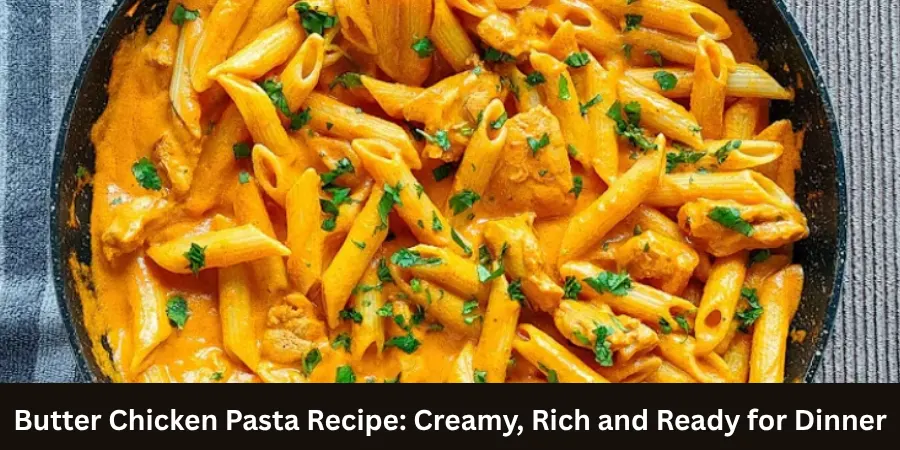
Butter Chicken Pasta Recipe: Creamy, Rich and Ready for Dinner
Butter Chicken Pasta combines the comforting richness of Italian pasta with the aromatic spices of Indian cuisine.
This fusion dish brings together tender seasoned chicken, creamy tomato sauce, butter, cream, and warm spices to create a satisfying meal full of flavor.
The tomato-based sauce provides a smooth and rich texture, while the Indian-inspired seasoning adds warmth without overpowering the creamy pasta.
Butter Chicken Pasta Recipe-The Short Answer
The combination creates a comforting dinner for anyone who enjoys curry flavors with a pasta-style meal. This recipe brings together two cuisines in a balanced way.
The pasta provides a familiar comfort-food base, while ingredients like garam masala, cumin, coriander, turmeric, and smoked paprika create the signature butter chicken flavor.
The chicken is seasoned and seared before being simmered in the creamy tomato sauce. This helps the chicken absorb the flavors while keeping the texture tender.
The sauce is finished with cream, butter, and kasoori methi to create a smooth consistency that coats the pasta evenly.
Reserved pasta water helps adjust the sauce texture and allows it to blend naturally with the noodles.
Butter Chicken Pasta is a practical choice for weeknight dinners, family meals, or special occasions.
Serve it with sautéed vegetables, a fresh salad, garlic naan, or simple side dishes to balance the richness of the creamy sauce.
About This Recipe
Butter Chicken Pasta combines tender chicken with a creamy tomato sauce and Indian spices for a comforting homemade meal.
The recipe uses tomato passata, garlic, butter, cream, garam masala, cumin, coriander, turmeric, and smoked paprika to create a rich sauce with balanced warmth and flavor. The cooking process keeps the method simple while building layers of flavor.
The chicken is seared first, then cooked in the tomato sauce so it absorbs the seasoning and remains tender. Meanwhile, the pasta is cooked until al dente, and some pasta water is reserved before draining.
This starchy cooking water helps adjust the sauce consistency and allows the creamy sauce to coat the pasta evenly.
Adding cream, finishing butter, and kasoori methi near the end creates the smooth texture and characteristic butter chicken flavor. Keeping the heat low during this stage helps maintain the creamy consistency of the sauce.
This dish works well as a family dinner because it combines familiar pasta comfort with Indian-inspired flavors.
The tender chicken, creamy sauce, and well-seasoned pasta create a satisfying meal that can be adjusted for different spice preferences.
Serve the pasta fresh with chopped cilantro and add Parmesan if desired. It is a practical homemade dinner option that fits well into a regular meal rotation.
Why You’ll Love This Recipe
Butter Chicken Pasta brings together the comforting feel of Italian cuisine with the rich, spiced flavors of Indian butter chicken.
The result is a creamy pasta dish with tender chicken, flavorful sauce, and a balanced combination of spices. The recipe is easy to prepare while still delivering a rich and satisfying flavor.
Although the chicken requires time to marinate, the cooking steps are straightforward and manageable.
Tomato passata, cream, butter, and Indian spices create the foundation of the sauce. Gently cooking the garlic helps build aroma without creating a bitter flavor. The recipe is also adaptable.
You can use different pasta shapes or adjust the seasoning according to your preference while keeping the tomato, cream, and Indian spice foundation intact.
Optional additions such as vegetables or different proteins can create variations, but the main recipe remains focused on creamy butter chicken flavors.
This makes Butter Chicken Pasta a useful choice when you want a comforting dinner that feels different from traditional pasta dishes.
Ingredients Needed
Chicken and Marinade
- 450 g boneless, skinless chicken thighs
- 60 g plain whole-milk yogurt
- 5 ml lemon juice
- 1 teaspoon freshly grated ginger (approximately 5 g)
- 1 teaspoon garlic powder
- ½ teaspoon ground coriander
- ½ teaspoon ground turmeric
- 3 g kosher salt
- ¼ teaspoon ground black pepper
- 15 ml neutral oil
Sauce Base
- 28 g unsalted butter
- 140 g finely diced yellow onion
- 4 garlic cloves (approximately 12 g)
- 15 g grated fresh ginger
- 2 teaspoons garam masala
- 1 teaspoon ground cumin
- 1 teaspoon ground coriander
- 1 teaspoon smoked paprika
- ½ teaspoon ground turmeric
- ¼ teaspoon cayenne pepper
- 16 g tomato paste
- 300 g tomato passata
- 120 ml water
- 4 g granulated sugar
- 3 g kosher salt
Creamy Finish
- 120 ml heavy cream
- 14 g unsalted butter
- 1 g kasoori methi, crushed between fingers
- 16 g smooth almond butter (optional)
- 10 g chopped fresh cilantro
Pasta
- 300 g dried short pasta
- 3 liters water for boiling
- 20 g kosher salt for pasta water
Optional Flavor Enhancements
Parmesan Finish
- 30 g freshly grated Parmesan cheese
Spinach Variation
- 60 g baby spinach
Bell Pepper Variation
- 100 g thinly sliced red, yellow, or orange bell peppers
US Measurements (Approximate)
- 450 g chicken thighs = 1 lb
- 60 g yogurt = ¼ cup
- 5 ml lemon juice = 1 teaspoon
- 15 ml oil = 1 tablespoon
- 28 g butter = 2 tablespoons
- 14 g butter = 1 tablespoon
- 140 g onion = 1 medium onion
- 15 g fresh ginger = about 1 tablespoon grated
- 16 g tomato paste = 1 tablespoon
- 300 g passata = about 1¼ cups
- 120 ml water or heavy cream = ½ cup
- 4 g sugar = 1 teaspoon
- 16 g almond butter = 1 tablespoon
- 300 g dried pasta = about 10.5 oz
- 3 liters water = about 3 quarts
- 360 ml reserved pasta water = 1½ cups
- 74°C = 165°F
Kosher salt weighs differently by brand (Diamond Crystal and Morton are not the same by volume), so measure salt by weight.
Ingredients Notes
Chicken and Marinade
Chicken Thighs
Use 450 g boneless, skinless chicken thighs. Chicken thighs are suitable because they remain tender while cooking in the creamy tomato sauce.
Cut the chicken into approximately 2.5 cm bite-sized pieces. Even-sized pieces help the chicken cook more evenly.
Yogurt and Lemon Juice
Use plain whole-milk yogurt and lemon juice in the marinade. The yogurt helps season the chicken while adding moisture, and lemon juice provides brightness.
These ingredients help prepare the chicken before it is seared and added to the sauce.
Ginger, Garlic Powder, and Spices
The marinade uses:
- Fresh ginger
- Garlic powder
- Coriander
- Turmeric
- Salt
- Black pepper
These ingredients add flavor and create the seasoning foundation for the chicken.
Sauce Base
Butter
Use unsalted butter as the base for cooking the aromatics. Butter adds richness and helps create the creamy flavor associated with butter chicken. Using unsalted butter allows better control over the final seasoning.
Onion, Garlic, and Ginger
Yellow onion, garlic, and fresh ginger create the aromatic foundation of the sauce. Cooking the onion until softened develops sweetness, while garlic and ginger add depth and fragrance.
Avoid burning the garlic because it can create bitterness in the finished sauce.
Garam Masala and Spices
The sauce uses:
- Garam masala
- Cumin
- Coriander
- Smoked paprika
- Turmeric
- Cayenne pepper
These spices create warmth, depth, and the Indian-inspired flavor profile of the dish. The cayenne provides additional heat, which can be adjusted based on preference.
Tomato Paste
Tomato paste adds concentrated tomato flavor and helps build the richness of the sauce. Cooking it with the spices allows the flavors to develop before adding the passata.
Tomato Passata
Tomato passata forms the main tomato base of the sauce. It provides a smooth texture and balances the cream, butter, and spices.
If passata is not available, use strained tomatoes or plain tomato sauce without added herbs or sugar. Do not use seasoned or sweetened pasta sauce because it will change the balance of the sauce.
Sugar and Salt
Sugar helps balance the acidity of the tomato base. Salt enhances the overall flavor and brings together the spices and creamy ingredients.
Creamy Finish
Heavy Cream
Heavy cream softens the tomato flavor and creates the smooth, creamy texture of the sauce. Add it after the tomato sauce has cooked to help maintain the creamy consistency.
Finishing Butter
The additional butter added at the end increases richness and gives the sauce a smooth finish.
Kasoori Methi
Kasoori methi, or dried fenugreek leaves, provides the characteristic butter chicken flavor. Add it during the creamy finishing stage rather than with the initial spices to preserve its aroma.
Almond Butter (Optional)
Almond butter is an optional addition. It adds body and mild nutty depth to the sauce, but the recipe works without it. If using almond butter, mix it with a little warm sauce before adding it to help it blend smoothly.
Pasta
Short Pasta
Use 300 g dried short pasta.
Suitable options include:
- Fusilli
- Penne
- Rigatoni
- Medium shells
These shapes work well because their curves and grooves help hold the creamy tomato sauce.
Pasta Water
Reserve 360 ml pasta water before draining. The starch in the cooking water helps adjust the sauce consistency and allows the sauce to coat the pasta evenly.
Do not rinse the pasta after draining because the surface starch helps the sauce cling better.
Optional Flavor Enhancements
Parmesan Cheese
Use 30 g freshly grated Parmesan cheese. Parmesan adds savory depth and saltiness to the finished dish. It is an optional finishing ingredient, so taste the pasta before adding additional salt.
Baby Spinach
Use 60 g baby spinach as a variation. Add it after preparing the creamy sauce and cook until wilted. Spinach adds color and a vegetable element while keeping the creamy pasta base unchanged.
Bell Peppers
Use 100 g thinly sliced bell peppers. They add color, mild sweetness, and texture. Cook them with the onion before adding garlic and ginger so they soften properly.
How to Make Butter Chicken Pasta
Step 1: Marinate the Chicken
Cut the chicken thighs into approximately 2.5 cm pieces. In a bowl, combine the yogurt, lemon juice, grated ginger, garlic powder, ground coriander, turmeric, 3 g kosher salt, and black pepper.
Add the chicken and coat each piece evenly. Cover and refrigerate for at least 1 hour, or up to 12 hours.
Remove the chicken from the refrigerator 10–15 minutes before cooking and gently scrape off the excess marinade so the yogurt does not burn in the pan.
Step 2: Sear the Chicken
Start heating 3 liters of water with 20 g kosher salt in a large covered pot so it is boiling by the time the chicken goes back into the sauce.
Heat the neutral oil in a large skillet over medium-high heat. Add the marinated chicken pieces in a single layer.
Sear the chicken until golden on both sides. If needed, cook the chicken in batches to avoid overcrowding the pan.
Transfer the chicken to a clean plate. The chicken will finish cooking later in the tomato sauce.
Do not wash the pan, because the browned bits add flavor to the sauce. If the pan has black, burnt residue, wipe it out before continuing.
Step 3: Build the Sauce Base
Reduce the heat to medium. Add the butter to the same skillet. Once melted, add the diced onion. Cook the onion for 4–5 minutes until softened.
Stir in the garlic and fresh ginger. Cook for 30–45 seconds until fragrant, while making sure the garlic does not burn.
Add:
- Garam masala
- Ground cumin
- Ground coriander
- Smoked paprika
- Turmeric
- Cayenne pepper
Stir constantly for 30–45 seconds to allow the spices to release their aroma.
Add the tomato paste and cook for another 60–90 seconds. This helps develop the tomato flavor before adding the passata.
Step 4: Simmer the Chicken in the Tomato Sauce
Pour in the tomato passata and water. Scrape the browned bits from the bottom of the skillet while mixing the sauce.
Add:
- Salt
- Sugar
Stir well and bring the sauce to a gentle simmer. Cook for about 5 minutes until the sauce begins to thicken.
Return the chicken and any collected juices back to the skillet. Partially cover and simmer for another 5–7 minutes.
As soon as the chicken is back in the sauce, add the pasta to the boiling salted water and cook according to the package instructions until al dente. If the package time is 12 minutes or more, add the pasta 1–2 minutes before returning the chicken to the sauce.
Check that the thickest piece of chicken reaches an internal temperature of 74°C (165°F). This ensures the chicken is fully cooked while remaining tender.
Check the pasta about one minute before the recommended cooking time to prevent overcooking. Before draining, reserve 360 ml of pasta water for adjusting the sauce later.
Drain the pasta but do not rinse it. The starch remaining on the pasta helps the creamy tomato sauce coat the noodles evenly.
Step 5: Finish the Creamy Butter Chicken Sauce
Lower the heat.
Add:
- Heavy cream
- Finishing butter
- Crushed kasoori methi
Stir gently until the sauce becomes smooth and creamy. Avoid vigorous boiling after adding the cream because high heat can affect the texture.
If using almond butter, mix it with a small amount of warm sauce in a bowl first. Then add it back into the skillet and stir until combined.
Simmer gently for about 2 minutes.
Step 6: Combine Pasta and Sauce
Add the drained pasta to the skillet. Toss until the pasta is evenly coated with the creamy butter chicken sauce.
Start with about 60 ml of the reserved pasta water, then add more in 15 ml increments as needed. You may not need all of it.
The pasta water helps loosen the sauce and creates a smooth consistency that coats the chicken and pasta. Continue tossing until the sauce reaches the desired texture.
Step 7: Finish and Serve
Add fresh cilantro before serving. If desired, finish with freshly grated Parmesan cheese.
Taste the pasta and adjust the seasoning with:
- Salt
- Cayenne pepper
according to your preference. Serve immediately while the sauce is warm, creamy, and evenly coating the pasta.
Variations and Ingredient Swaps
Butter Chicken Pasta can be adapted according to your preferences while keeping the creamy tomato sauce and Indian spice foundation unchanged.
Small ingredient changes can create different versions of the dish without losing the main butter chicken flavor profile.
Chicken Alternatives
Chicken thighs are used in the base recipe because they remain tender and flavorful when cooked in the sauce. You can replace chicken thighs with thinly sliced chicken breast if preferred.
Chicken breast cooks faster, so cut it into even-sized pieces and avoid overcooking to keep it tender. Check the breast pieces for doneness after 3–4 minutes of simmering in the sauce. Other protein options include:
- Sirloin steak strips
- Large prawns or shrimp
For smaller portions, use bite-sized pieces of your preferred protein and cook until fully cooked before combining with the sauce. Prawns and shrimp cook in only 2–3 minutes, and sirloin strips need only a brief sear, so add them to the sauce just for the last 1–2 minutes instead of simmering them for 5–7 minutes.
Pasta Options
The recipe works well with different pasta shapes. Suitable options include:
- Linguine
- Fettuccine
- Tagliatelle
- Penne
- Rigatoni
- Spaghetti noodles
- Bow tie pasta
- Angel hair pasta
- Gluten-free pasta
Different pasta shapes affect the texture and how well the creamy sauce clings to each serving. Short pasta shapes with grooves or curves often hold more sauce.
Cooking times vary by shape. Thin pasta such as angel hair cooks in only 3–4 minutes, so add it to the boiling water about 4 minutes before the sauce is finished instead of when the chicken goes back into the sauce.
Vegetable Variations
You can add vegetables to create more variety while keeping the creamy tomato sauce as the main focus. Options include:
- Bell peppers
- Zucchini slices
- Cherry tomatoes
- Baby spinach
- Broccolini
Bell peppers add color, crunch, and natural sweetness. Baby spinach can be added after preparing the creamy sauce and cooked until wilted.
For bell peppers, cook thinly sliced pieces with the onion for about 3–4 minutes before adding garlic and ginger. This helps soften them while maintaining some texture.
Cheese and Herb Variations
Parmesan adds a nutty, salty flavor and can be used as an optional finishing ingredient. Other cheese options include:
- Pecorino Romano
- Grana Padano
Use freshly grated cheese for the best texture. Remember that Parmesan is optional, so adjust the seasoning after adding cheese. Fresh cilantro is used in the base recipe.
You can also use:
- Fresh parsley
- Chives
- Fresh basil
for a different herbal finish.
Cream and Sauce Adjustments
Heavy cream creates the smooth, creamy texture of the sauce. Alternative options include:
- Half-and-half
- Full-fat sour cream
- Cream cheese
Half-and-half and sour cream can split or curdle in an acidic tomato sauce. If using either, turn off the heat before adding it and do not let the sauce boil again.
Add cream after the tomato sauce has simmered. Finish with butter and kasoori methi as directed in the base recipe.
Avoid replacing the tomato passata and Indian spices with other sauces because they define the butter chicken flavor profile.
Flavor Adjustments
You can adjust the seasoning while keeping the main recipe structure. Optional seasoning variations include:
- Italian seasoning
- Cajun seasoning
- Oregano
- Basil
These should be used as additional flavor variations rather than replacements for the core Indian spices.
For a brighter flavor, a small amount of freshly squeezed lemon juice can be added to the finished sauce. Add gradually according to your preference.
Serving Suggestions
Butter Chicken Pasta is a satisfying meal on its own, but simple sides can balance the richness of the creamy sauce.
Serve it with:
- Warm buttery garlic naan
- Green salad
- Kachumber salad
- Cucumber raita
- Steamed green beans
- Broccoli
Garlic naan works well for scooping up the creamy tomato sauce. A fresh salad or kachumber salad adds freshness and acidity to balance the richness of the dish.
If the pasta has more spice, cucumber raita provides a cooling contrast without overpowering the Indian-inspired flavors.
Keep the serving simple so the butter chicken sauce remains the focus. Choose one or two sides based on the richness and spice level of the pasta.
Storage and Reheating
Refrigerator Storage
Store leftover Butter Chicken Pasta in an airtight container. Refrigerate within 2 hours of cooking to maintain freshness.
For the best texture, use leftovers within 3–4 days. The sauce may thicken as it sits, so reheating with a small amount of liquid helps restore the creamy consistency.
Freezing Instructions
Freezing the complete dish is not recommended because the pasta and cream sauce may change texture after thawing.
If preparing ahead, freeze the sauce separately without the pasta. Allow the sauce to cool completely before transferring it to a freezer-safe airtight container.
Reheating Instructions
Reheat the pasta in a skillet over low to medium-low heat. Add a small amount of water or milk to loosen the thickened sauce.
Stir gently while reheating to help the sauce come together smoothly. Avoid overheating because the creamy sauce may separate.
You can also reheat using a microwave. Place a portion in a microwave-safe dish, cover loosely, and heat in short intervals.
Stir between intervals for even heating. Continue reheating until leftovers reach 74°C (165°F). Add liquid gradually as needed to prevent the pasta from drying out.
Expert Tips
Keep the Sauce Smooth
Reserve 360 ml pasta water before draining the pasta. Add it gradually while tossing the pasta with the sauce to adjust the consistency.
The starch in pasta water helps the creamy sauce coat the pasta evenly without becoming watery.
Cook Garlic Carefully
Cook the garlic over medium heat for only 30–45 seconds. Watch it closely to prevent burning, as burnt garlic can create a bitter flavor.
Adjust Spice Level
For a milder version:
- Reduce or omit cayenne pepper
- Adjust chili ingredients according to preference
For more heat:
- Add extra red pepper flakes
- Increase cayenne gradually
- Add finely chopped fresh red chili
Taste while adjusting so the spice level remains balanced.
Food Safety
Use an instant-read thermometer to check that chicken reaches 165°F (74°C). Cooking time may vary depending on the size of the chicken pieces and pan heat. Sear the chicken first and finish cooking it in the tomato sauce as directed.
Dietary Variations
For a vegetarian version, replace chicken with:
- Firm tofu
- Paneer
- Another plant-based protein
Tofu and paneer do not need the 165°F (74°C) check. Sear them until golden, then add them to the sauce for only the last 2–3 minutes so they warm through without breaking apart.
For a vegan version, use:
- Plant-based butter alternative
- Plain dairy-free yogurt for the marinade
- Dairy-free cream such as coconut milk or cashew cream
- Vegan-friendly pasta
Coconut milk adds a noticeable coconut flavor, while cashew cream is more neutral.
You can also add vegetables such as:
- Bell peppers
- Spinach
- Peas
- Zucchini
- Cherry tomatoes
- Roasted cauliflower
These are optional variations and do not replace the base recipe.
Notes
For the best results, cut the chicken into even-sized pieces. This helps the chicken cook evenly and creates a consistent texture throughout the dish.
The main recipe uses boneless chicken thighs because they stay tender during cooking. Thinly sliced chicken breast can also be used if preferred, but avoid overcooking because it can become dry.
Sear the chicken over medium-high heat before returning it to the tomato sauce. Allow it to finish cooking in the sauce for 5–7 minutes.
Use an instant-read thermometer to check that the thickest piece of chicken reaches 165°F (74°C) for food safety. Adjust the spice level according to your preference.
For a milder flavor:
- Reduce or omit cayenne pepper
- Keep the remaining spices unchanged
For more heat, adjust the spicy ingredients gradually and taste as you go.
Fresh spinach and bell peppers are useful additions if you want to include vegetables. Add spinach after the cream and allow it to wilt for 1–2 minutes.
Cook thinly sliced bell peppers with the onion for 3–4 minutes before adding the garlic and ginger.
Reserve 360 ml pasta water before draining the pasta. Add it gradually while tossing the pasta with the sauce to create a smooth, creamy consistency.
Store leftovers in a shallow airtight container. Refrigerate within 2 hours of cooking and use within 3–4 days.
When reheating, warm the pasta gently and add a small amount of water or milk if the sauce has thickened. Reheat leftovers to 165°F (74°C) and only warm the portion you plan to serve.
Nutrition Information
This recipe makes 4 servings. Each serving equals approximately one-quarter of the recipe.
Each serving contains approximately:
- 699 kcal
- 69 g carbohydrates
- 35 g protein
- 30 g fat
- 14 g saturated fat
- 6 g fiber
- 11 g sugar
- 1,015 mg sodium
These values are calculated estimates based on the listed ingredients rather than laboratory-tested results.
Actual nutritional values may vary depending on:
- Ingredient brands
- Amount of fat trimmed from the chicken
- Type of cream used
- Portion size of pasta and sauce served
Optional ingredients such as:
- Almond butter
- Parmesan
- Spinach
- Bell peppers
are not included in the calculation. For a more accurate estimate, calculate the nutrition using the exact ingredients and quantities used in your version of the recipe.
Frequently Asked Questions
Can You Freeze Butter Chicken Pasta?
Freezing the complete dish is not recommended because creamy pasta sauces can separate during reheating and may develop a different texture.
For better results, freeze the butter chicken sauce separately from the pasta. Allow the sauce to cool completely before transferring it to a freezer-safe airtight container.
For the best quality, use frozen sauce within 1–2 months. Thaw it in the refrigerator and reheat gently before combining it with freshly cooked pasta.
Can I Make Butter Chicken Pasta Ahead of Time?
Yes. You can prepare the chicken marinade 6–12 hours ahead and keep it refrigerated.
You can also prepare ingredients such as:
- Chopped onion
- Garlic
- Ginger
in advance and store them separately in airtight containers. For the best texture, cook the pasta shortly before serving and combine it with the sauce just before eating.
Can I Use Chicken Breast Instead of Chicken Thighs?
Yes. Chicken breast is a suitable alternative to chicken thighs. Cut it into evenly sized pieces and check that it reaches an internal temperature of 165°F (74°C).
Chicken thighs contain more fat and tend to remain tender during cooking, while chicken breast can dry out if overcooked.
How Do I Stop the Sauce From Separating or Becoming Greasy?
Keep the heat low when adding the cream. Avoid boiling the sauce vigorously after adding dairy ingredients.
Reserve pasta water before draining the pasta. The starch in the cooking water helps the sauce combine smoothly with the butter and cream.
If the sauce looks oily, turn off the heat, add a tablespoon of warm water, and stir gently until it comes together.
Can I Make This Recipe Gluten-Free?
Yes. Replace regular pasta with a gluten-free option. Gluten-free pasta made from ingredients such as chickpea or lentil flour can also provide additional protein.
Because gluten-free pasta releases starch differently, add the cooking water gradually while tossing until the sauce reaches the desired consistency.
Is This Recipe Very Spicy?
This recipe has a warm Indian-inspired flavor from:
- Garam masala
- Cumin
- Coriander
- Smoked paprika
- Turmeric
Cayenne pepper provides most of the additional heat. For a milder version, reduce or omit cayenne while keeping the other spices unchanged. If you prefer more heat, increase cayenne gradually and taste the sauce as you adjust.
Which Pasta Shapes Work Best?
Short pasta shapes work especially well because their curves and grooves hold the creamy tomato sauce.
Good options include:
- Fusilli
- Penne
- Rigatoni
- Medium shells
Cook the pasta until al dente. Reserve 360 ml cooking water before draining, but add only as much as needed to achieve a smooth sauce consistency.
Can I Use Garlic Powder Instead of Fresh Garlic?
The recipe uses garlic powder in the chicken marinade and fresh garlic in the sauce. Fresh garlic creates the aromatic base of the sauce, while garlic powder seasons the chicken.
If replacing fresh garlic, use about ½ teaspoon of garlic powder in place of the 4 garlic cloves and adjust according to taste because its flavor is concentrated.
Should I Rinse the Pasta After Cooking?
No. Drain the pasta without rinsing it. The starch remaining on the pasta helps the creamy sauce cling to the noodles.
Remember to reserve cooking water before draining because it may be needed to loosen the sauce.
What Goes Well With Butter Chicken Pasta?
Serve this pasta with:
- Garlic naan
- Kachumber salad
- Green salad
- Cucumber raita
- Steamed green beans
- Broccoli
Choose sides that complement the rich tomato and cream sauce without overpowering the Indian-inspired spices.