Peppermint Gingerbread Bars: Holiday & Christmas Favorite
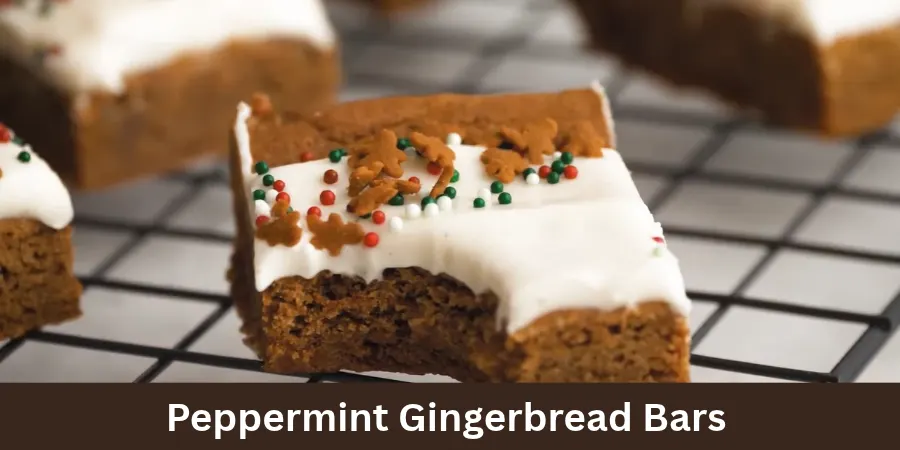
These Peppermint Gingerbread Bars give classic gingerbread cookies a festive twist. Inspired by Candy Lasses, they combine warm gingerbread spices with crushed candy canes for a refreshing peppermint flavor.
The bars have a soft and chewy texture with a rich chocolate topping made from semi-sweet and white chocolate. The chocolate balances the sweetness of the candy canes, while the crunchy peppermint pieces add a festive finish. This unexpected combination makes them a delicious holiday treat.
Peppermint Gingerbread Bars-The Short Answer
These Peppermint Gingerbread Bars combine soft, chewy gingerbread with rich chocolate and crunchy candy canes. The no-chill dough and festive topping make them an easy make-ahead Christmas treat.
This easy recipe is ideal for holiday baking when you need a dessert that serves a crowd. The bars are simple to prepare and make a lovely addition to a holiday party or dessert platter.
Whether you serve them to guests or share them during Christmas celebrations, these gingerbread bars bring plenty of festive flavor to the table.
Why You’ll Love These Bars
These bars combine the warm spices of gingerbread with the cool, refreshing taste of peppermint. I was unsure about this combination at first, too.
My best friend introduced me to Candy Lasses in college, and I was surprised by how well the molasses-rich cookies worked with crushed candy canes.
That first experience changed my mind and inspired me to bring those flavors into a bar recipe. The result is a soft and chewy gingerbread base topped with melted semi-sweet and white chocolate, then finished with crushed candy canes for a little crunch.
I made three batches in one week while developing this recipe, and it quickly became a new holiday favorite. The flavor reminds me of Buried Cherry Cookies and is on par with my Butterscotch Pumpkin Cake.
Rich molasses and warm gingerbread spices balance the sweetness of the chocolate, while peppermint adds a fresh contrast. These bars are a fun change from traditional Christmas cookies and make a festive treat to share at family gatherings or add to a Christmas dessert table.
The recipe is also convenient because the dough does not need to chill before baking. Simply mix the ingredients and spread the thick dough into the prepared pan.
Once the bars have cooled completely, add the chocolate topping and crushed candy canes. Refrigerate until the chocolate sets. You can prepare the bars ahead of time and store them in an airtight container.
They also freeze well for up to two months, making it easier to have a homemade holiday dessert ready when you need one.
Ingredients Needed
- All-purpose flour – 2 cups (250 g)
- Cornstarch – 1 tablespoon (8 g)
- Baking soda – 1 teaspoon (5 g)
- Ground ginger – 1 teaspoon (2 g)
- Ground cinnamon – 1 teaspoon (2.6 g)
- Ground cloves – ¼ teaspoon (0.5 g)
- Ground nutmeg – ¼ teaspoon (0.5 g)
- Fine salt – ½ teaspoon (3 g)
- Unsalted butter, melted – ¾ cup (170 g)
- Dark brown sugar, packed – ¾ cup (150 g)
- Fancy molasses – ⅓ cup (110 g)
- Large egg, room temperature – 1 (approximately 50 g without the shell)
- Egg yolk, room temperature – 1 (approximately 18 g)
- Pure vanilla extract – 2 teaspoons (10 ml)
- Semi-sweet chocolate – 3 oz (85 g)
- White chocolate – 3 oz (85 g)
- Regular candy canes – 3 (approximately 40 g)
- Neutral vegetable oil – ½ teaspoon (2.5 ml), optional
Ingredients Notes
All-purpose flour: Flour provides the main structure for the bars. Measure it carefully using a kitchen scale or the spoon-and-level method to avoid adding too much, which can make the baked bars dry or dense.
Cornstarch: Cornstarch helps create a softer and more tender texture. It is an important part of the recipe, so do not skip it if you want the bars to retain their chewy texture.
Baking soda: Baking soda helps the dough rise and gives the bars their structure during baking.
Ground ginger: Ginger provides the characteristic warm, slightly spicy flavor of gingerbread. You can add extra ground ginger if you prefer a stronger spice flavor.
Ground cinnamon: Cinnamon adds warmth and complements the molasses and ginger. It helps create the familiar flavor of traditional gingerbread.
Ground cloves and nutmeg: These spices add depth to the gingerbread flavor. Their quantities are kept small so they complement the ginger and cinnamon without overpowering them.
Fine salt: Salt balances the sweetness of the brown sugar, molasses, and chocolate while bringing out the other flavors.
Unsalted butter: Melted butter adds richness and moisture to the dough. Let it cool to approximately 95–104°F (35–40°C) before mixing it with the other wet ingredients. Butter that is too hot can affect how the ingredients combine.
Dark brown sugar: Brown sugar adds sweetness, moisture, and a deeper caramel-like flavor. Pack it into the measuring cup when measuring. The recipe uses 150 g as the specified weight.
Fancy molasses: Molasses gives the bars their deep color, moisture, and traditional gingerbread flavor. Fancy molasses is preferred over blackstrap molasses because blackstrap has a stronger and more bitter taste that can overpower the warm spices.
Egg and egg yolk: The whole egg helps bind the ingredients and provides structure. The additional egg yolk contributes richness and helps create a tender, chewy texture. Use room-temperature eggs so they combine smoothly with the other ingredients.
Pure vanilla extract: Vanilla rounds out the flavors of the molasses, spices, and chocolate. It adds a subtle sweetness and aroma without overpowering the gingerbread.
Semi-sweet chocolate: Semi-sweet chocolate creates a rich topping that balances the sweetness of the candy canes. Chop it into small pieces before melting so it heats evenly.
White chocolate: White chocolate adds a creamy, sweet contrast to the semi-sweet chocolate. Melt it separately so you can drizzle it over the first chocolate layer and create a swirled finish.
Candy canes: Crushed candy canes provide the refreshing peppermint flavor and crunchy texture that make these bars festive. Break them into small and medium pieces rather than crushing them into fine powder. A zip-top bag and rolling pin make this easier.
Neutral vegetable oil: This is optional. A small amount can help thin the melted chocolate if it is too thick to spread easily.
Optional Additions
These additions can be used to adjust the flavor or texture without changing the main recipe quantities.
- Extra ground ginger: Add ½ teaspoon (approximately 1 g) for a stronger ginger flavor. This brings the total ground ginger to approximately 3 g.
- Peppermint extract: Add ⅛ teaspoon (approximately 0.6 ml) to the melted semi-sweet chocolate for a stronger peppermint flavor. Use it sparingly so it does not overpower the gingerbread spices.
- Orange zest: Add 1 teaspoon (approximately 2 g) of finely grated orange zest for a light citrus note.
- Mini semi-sweet chocolate chips: Add ¼ cup (approximately 45 g) for extra chocolate flavor.
- Toasted pecans: Add 2 tablespoons (approximately 15 g) of finely chopped toasted pecans for a little crunch and nutty flavor.
How to Make Peppermint Gingerbread Bars
Step 1: Preheat the Oven and Mix the Dry Ingredients
Preheat the oven to 350°F (177°C), positioning the rack in the center.
Add the all-purpose flour, cornstarch, baking soda, ground ginger, cinnamon, cloves, nutmeg, and salt to a large mixing bowl.
Whisk for approximately 30–45 seconds to distribute the ingredients evenly and break up any flour lumps. Set the bowl aside while you prepare the wet ingredients.
Step 2: Combine the Wet Ingredients
In a separate bowl, whisk the melted butter with the dark brown sugar until combined. Make sure the butter has cooled to approximately 95–104°F (35–40°C) before adding the egg and egg yolk.
Mix in the molasses, egg, egg yolk, and vanilla extract. Continue whisking until the mixture looks thick and glossy and the molasses is evenly incorporated without visible streaks.
Step 3: Make the Gingerbread Dough
Add the dry ingredients to the wet mixture in two portions. Use a silicone spatula to fold everything together gently.
Stop mixing as soon as the flour is incorporated. Overmixing can make the baked bars dense and tough. The finished dough will be thick and slightly sticky, which is normal for this recipe.
Step 4: Prepare the Baking Pan
Line a 9 × 13-inch metal baking pan with parchment paper, leaving approximately 2 inches of overhang along the longer sides. This makes it easier to lift the baked bars out of the pan.
Transfer the dough into the pan in four portions. Use a lightly oiled or damp offset spatula, or lightly greased fingertips, to gently press and spread it evenly into the corners.
Keep the dough at a consistent thickness throughout the pan. Press only as much as needed to level it, as pressing too firmly can affect the texture of the finished bars.
Step 5: Bake the Gingerbread Bars
Place the pan on the center rack. Bake the bars for approximately 15–20 minutes, checking for doneness after 14–15 minutes.
The edges should be set and lightly browned, while the center should remain slightly soft. Insert a toothpick into the middle to check. A few moist crumbs are fine, but there should be no wet batter.
Remove the pan from the oven and let the bars rest for 10–15 minutes. Use the parchment overhang to lift them out and transfer them to a wire rack.
Allow them to cool completely, approximately 45–60 minutes in total from the time they leave the oven, before adding the chocolate topping.
Step 6: Crush the Candy Canes
While the bars cool, remove the wrappers from the three regular candy canes, approximately 40 g in total.
Place them in a zip-top bag and gently crush them with a rolling pin. Aim for small and medium pieces measuring approximately 3–8 mm.
Keep the larger pieces for the topping and separate any excessively fine candy cane powder. This gives the finished bars a better crunchy texture.
Step 7: Melt the Chocolate
Chop the semi-sweet and white chocolate into small pieces. Place each type in a separate microwave-safe bowl.
Heat the semi-sweet chocolate in 15–20-second intervals and the white chocolate in 10–15-second intervals. Stir after each interval until both chocolates are smooth.
If the melted semi-sweet chocolate is too thick to spread easily, stir in the optional ½ teaspoon (2.5 ml) of neutral vegetable oil until smooth.
You can also melt the chocolate using a double boiler. Make sure neither type of chocolate comes into contact with water, as this can affect its texture.
Step 8: Add the Chocolate Topping
Place the completely cooled bars on a parchment-lined surface. Spread the melted semi-sweet chocolate evenly over the top. This makes a thin layer, so spread it quickly while the chocolate is still fluid.
Drizzle the melted white chocolate over the semi-sweet layer. Use a toothpick or thin knife to create gentle swirls through the chocolate.
Sprinkle the crushed candy canes over the melted topping while it is still soft. Press the pieces lightly so they stick to the chocolate.
Step 9: Chill and Cut the Bars
Refrigerate the bars for approximately 20–30 minutes, or until the chocolate topping is firm.
Once set, let the slab sit at room temperature for about 10 minutes before cutting. This helps prevent the chocolate from cracking.
Use a sharp knife to cut the slab into 16 equal bars (4 rows × 4 columns). Wipe the blade between cuts to keep the edges neat.
Variations
You can adjust the chocolate topping to suit your taste without changing the gingerbread base. Use Milk or Dark Chocolate: Replace the 85 g of semi-sweet chocolate with 85 g of milk chocolate for a sweeter finish.
For a deeper cocoa flavor with less sweetness, use 85 g of 70% dark chocolate instead. Keep the 85 g of white chocolate unchanged in either variation.
Make a White Chocolate-Only Topping: Replace the semi-sweet chocolate with another 85 g of white chocolate, bringing the total white chocolate to 170 g. Keep the 40 g of crushed candy canes as written.
This creates a sweeter topping with a creamy finish, similar to the coating used on peppermint bark cookies.
Add More Peppermint Flavor: If you prefer a stronger peppermint taste, add ⅛ teaspoon (approximately 0.6 ml) of peppermint extract to the melted semi-sweet chocolate. Add it gradually after melting and avoid using too much because the extract can overpower the gingerbread spices.
The crushed candy canes already provide peppermint flavor and a festive crunch, so the extract is optional.
Storage
Let the bars cool completely and make sure the chocolate topping has fully set before storing them.
Keep the bars in an airtight container in a cool, dry place at room temperature for 3–4 days. Avoid leaving them in a warm kitchen because heat can affect the chocolate topping and candy cane pieces.
For longer storage, refrigerate the bars in an airtight container for up to 1 week. Place parchment paper between the layers to prevent them from sticking together.
Before serving, remove the bars from the refrigerator and let them sit at room temperature for 15–20 minutes. Keep the container closed while they warm up to help prevent condensation from forming on the candy canes.
Freezing: These bars can also be frozen for up to 2 months. Wait until the chocolate topping is completely firm, then arrange the bars in a freezer-safe container with parchment paper between each layer.
For extra protection, wrap the bars individually in plastic wrap before placing them in the container. When ready to serve, thaw them overnight in the refrigerator or for 1–2 hours at room temperature.
Keep the container closed while the bars thaw and open it once they reach room temperature. Avoid repeated freezing and thawing because it can affect the texture of the chocolate and candy cane topping.
For Gifting: These bars make a lovely homemade gift for holiday gatherings, Christmas parties, and seasonal celebrations. For easy packaging, place each cut bar in a small paper cup or candy paper cup. You can find these at bulk stores and baking specialty shops.
Arrange the portions in a decorative tin or gift box for a neat presentation. You can also create a holiday dessert assortment by adding peanut brittle squares, Nanaimo bars, or minty Christmas chocolate brownies.
If you are preparing the bars ahead of time, bake and cool them completely, add the chocolate topping, and let it set before packing.
Expert Tips
Measure the flour accurately. Use the spoon-and-level method or a kitchen scale when measuring flour. This recipe calls for 250 g, and accurate measurement helps maintain the right dough consistency. Too much flour can make the bars dry or dense.
Use room-temperature eggs. Room-temperature eggs combine more smoothly with the other ingredients and help create an even batter.
Cool the melted butter before mixing. Allow the butter to cool to approximately 95–104°F (35–40°C) before adding it to the wet ingredients. This helps the ingredients combine properly.
Do not skip the cornstarch. The 8 g of cornstarch helps create a softer and more tender chewy texture. Keep the specified amount for the intended result.
Spread the dough evenly. The dough will be thick and slightly sticky. Instead of placing it all in the center of the baking pan, divide it into four portions and distribute them across the pan.
Use a small offset spatula to spread the dough towards the corners. Keep the thickness consistent so the bars bake evenly.
Avoid overmixing. Once the flour is incorporated, stop mixing. Overworking the dough can make the baked bars tough instead of soft and chewy.
Choose the right molasses. Fancy molasses provides a balanced gingerbread flavor. Avoid blackstrap molasses because its stronger and more bitter taste can overpower the warm spices.
Notes
This recipe can be cut in half and baked in an 8 × 8-inch pan. Lightly beat the egg and egg yolk together and use about 34 g of the mixture for the half batch.
The baking time may vary depending on the pan size and dough thickness, so start checking for doneness early. Use a toothpick to check the center rather than relying only on the original baking time.
Nutrition Information
Each bar (1 of 16 servings) contains approximately:
| Nutrient | Amount |
| Calories | 264 kcal |
| Carbohydrates | 35 g |
| Protein | 3 g |
| Fat | 13 g |
| Saturated Fat | 8 g |
| Cholesterol | 48 mg |
| Sodium | 175 mg |
| Fiber | 0.8 g |
| Sugar | 23 g |
These values are calculated using the complete gingerbread bar dough, along with 85 g of semi-sweet chocolate, 85 g of white chocolate, and 40 g of candy canes divided into 16 equal portions.
The nutrition information is automatically calculated using standard ingredient composition and the specified quantities. Actual values may vary slightly depending on the brands of chocolate and candy canes used. Treat these figures as an estimate and a general nutritional guide.
FAQ’s
Why is my pan of gingerbread bars collapsing?
The center may remain slightly softer than the edges when the bars come out of the oven. This is normal because the bars continue to firm up as they cool.
However, noticeable sinking or collapsing may indicate that the center is underbaked. Check the middle with a toothpick. It should not have wet batter attached, although a few moist crumbs are fine.
Why did my gingerbread bars turn out too dry?
Overbaking is one of the most common reasons for dry gingerbread bars. Start checking for doneness after 14–15 minutes because oven temperatures and baking times can vary.
The edges should be set and lightly browned, while the center can remain slightly softer. Remove the pan once the center is set to help retain moisture and keep the bars chewy.
Can I chill the batter and bake later?
I recommend baking the dough immediately after preparing it. Chilling can make it firmer and harder to spread evenly in the pan.
It can also change how the dough spreads and bakes. For the best results, prepare the ingredients ahead of time if needed, but combine the dough just before baking.
What kind of chocolate should I use?
Semi-sweet and white chocolate bars are my preferred choices for this recipe. They melt smoothly and create a balanced topping.
You can also use dark chocolate for a deeper cocoa flavor or milk chocolate for a sweeter finish. Using only white chocolate is another option, although the topping will be sweeter.
Chop the chocolate into small pieces before melting and spread it over the completely cooled bars. Chocolate chips can also be used in the dough as an additional variation.
What type of peppermint should I use?
Crushed candy canes are used in this recipe to add a crunchy topping and refreshing peppermint flavor. Break them into small and medium pieces rather than crushing them into a fine powder.
If you prefer a stronger peppermint flavor, add approximately ⅛ teaspoon of peppermint extract to the melted semi-sweet chocolate. Add it gradually after melting and avoid using too much because it can overpower the gingerbread spices.
How long do I need to let the bars set before cutting?
After adding the chocolate and candy cane topping, refrigerate the bars for approximately 20–30 minutes or until the chocolate is completely firm.
If the slab is refrigerated, let it sit at room temperature for about 10 minutes before cutting. This helps prevent the chocolate from cracking.
Use a sharp knife and wipe the blade between cuts for cleaner squares.