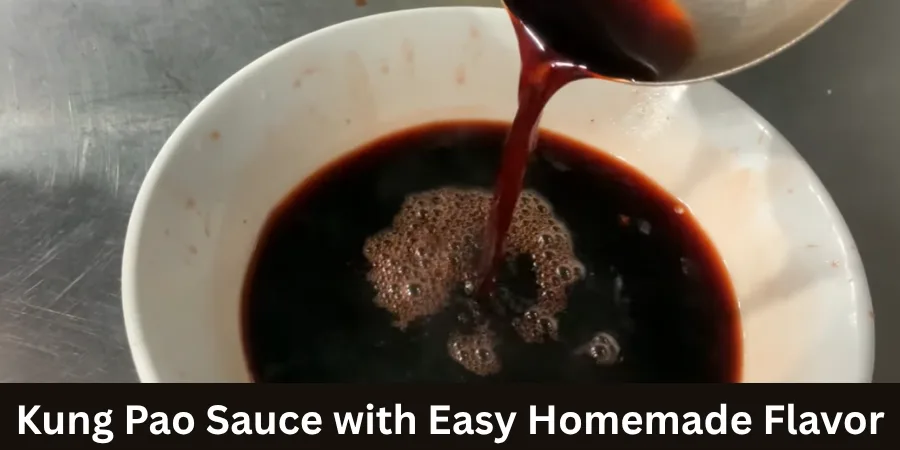
Kung Pao Sauce with Easy Homemade Flavor
Kung Pao Sauce is a homemade stir-fry sauce inspired by Sichuan-style cooking. It combines savory soy sauce, tangy vinegar, gentle sweetness, aromatic garlic and ginger, and the distinctive heat of dried chilies and Sichuan peppercorns.
This sauce creates a balanced combination of sweet, tangy, savory, and spicy flavors without becoming overly heavy.
Its glossy, lightly thickened texture helps coat chicken, shrimp, tofu, and vegetables evenly while allowing the flavors of the ingredients to remain noticeable.
The Short Answer
This homemade Kung Pao Sauce combines savory, sweet, tangy, and spicy flavors in 15 minutes. Learn how to balance the heat, achieve a glossy texture, and customize it for chicken, shrimp, tofu, or vegetables.
Making this sauce at home gives you better control over the sweetness, saltiness, thickness, and spice level compared with many bottled sauces.
It uses simple ingredients and comes together quickly, making it a practical option for homemade Chinese-inspired meals. The sauce takes about 15 minutes to prepare, including preparation and cooking time.
Serve it with stir-fries, rice, noodles, or vegetable dishes for a flavorful meal that brings restaurant-style flavors into your kitchen.
The combination of soy sauce, vinegar, aromatics, and chili creates the signature Kung Pao flavor profile.
Garlic and ginger add depth, while Sichuan peppercorns provide their unique citrus aroma and mild tingling sensation.
About This Recipe
Kung Pao Sauce is a classic Chinese stir-fry sauce associated with Sichuan cuisine.
It combines savory, mildly sweet, tangy, and spicy flavors to create a balanced sauce that works well with chicken, shrimp, tofu, and vegetables.
This homemade version uses ingredients such as soy sauce, dark soy sauce, rice vinegar, Shaoxing wine, garlic, ginger, dried chilies, and Sichuan peppercorns to create its distinctive flavor.
Briefly heating the chilies and peppercorns helps release their aroma, while cornstarch creates a glossy texture that allows the sauce to coat ingredients without becoming overly thick.
Sesame oil is added at the end to provide a nutty aroma and finish the sauce with additional depth. This recipe is a practical way to recreate restaurant-style Kung Pao flavors at home.
You can adjust ingredients such as Shaoxing wine or vinegar based on availability while keeping the main flavor balance of the sauce.
Serve the sauce with:
- Chicken stir-fries
- Shrimp
- Tofu
- Vegetables
- Rice
- Noodles
For additional texture and flavor, finish the dish with green onions and roasted peanuts.
Optional ingredients such as peanut butter and gochujang can be used for a separate fusion variation, but they are not part of the main recipe. Keep peanut allergies in mind if you try that variation. Store leftover sauce in an airtight container in the refrigerator for 3–4 days.
Why You’ll Love This Kung Pao Sauce
If you enjoy Kung Pao dishes from Chinese restaurants, this homemade sauce makes it easy to create similar flavors at home.
It combines salty, sweet, tangy, and spicy notes into a balanced sauce without making the flavor overly sweet. The recipe uses easy-to-find ingredients and takes about 15 minutes from preparation to cooking.
This makes it a useful option for busy days when you want a flavorful homemade meal without spending extra time preparing a complicated sauce.
One of the best things about this sauce is its versatility. Use it with chicken, shrimp, tofu, or vegetable stir-fries with ingredients like broccoli, bell peppers, or mushrooms.
Cornstarch gives the sauce a glossy consistency that helps it coat ingredients evenly.
Adding the sauce near the end of cooking allows the ingredients to become evenly covered without creating an overly thick coating.
This Sichuan-inspired sauce brings savory depth, gentle tanginess, and adjustable heat to homemade meals.
Garlic, ginger, dried chilies, and Sichuan peppercorns create aromatic flavor, while soy sauce, vinegar, and sugar provide a balanced finish.
The straightforward preparation makes it useful for quick weeknight meals, whether you are making a chicken stir-fry, noodle dish, or vegetable-based meal.
Keep the sauce pourable so it coats the ingredients without hiding their individual flavors.
Ingredients Needed
- 3 tablespoons low-sodium soy sauce (45 ml)
- ½ cup water (120 ml)
- 1 tablespoon dark soy sauce (15 ml)
- 1 tablespoon rice vinegar (15 ml)
- 1 tablespoon Shaoxing wine (15 ml)
- 1 tablespoon granulated sugar (12–13 g)
- 3–4 dried red chilies (approximately 1–2 g)
- ½ teaspoon Sichuan peppercorns (approximately 1 g)
- 2 teaspoons cornstarch (approximately 5 g)
- 1 tablespoon neutral oil (15 ml)
- 1 teaspoon toasted sesame oil (5 ml)
- 2 garlic cloves, finely minced (approximately 6 g)
- 2 teaspoons fresh ginger, finely minced (approximately 4 g)
Ingredients Notes
Low-Sodium Soy Sauce
Use low-sodium soy sauce as the main savory base of the sauce. It provides saltiness, umami flavor, and the foundation that balances the sweet, tangy, and spicy ingredients.
Low-sodium soy sauce also helps control the salt level, especially when serving the sauce with other salty ingredients. Regular soy sauce can make the finished sauce too salty.
Water
Use ½ cup water to balance the intensity of the soy sauce and create the correct sauce consistency.
Water helps create a pourable sauce that coats ingredients without making the flavor overly salty.
Dark Soy Sauce
Use 1 tablespoon dark soy sauce. Dark soy sauce adds deeper color and savory richness to the sauce.
It contributes more to the appearance and depth of flavor rather than being the main salty component.
Rice Vinegar
Use 1 tablespoon rice vinegar. Rice vinegar provides clean acidity and helps balance the sweetness and savory flavors.
It creates the tangy note that is characteristic of Kung Pao-style sauces. Chinese black vinegar can be used instead for a deeper, more complex flavor.
Shaoxing Wine
Use 1 tablespoon Shaoxing wine. Shaoxing wine adds savory aroma and depth to the sauce.
If you omit it, replace it with water. The sauce will still work, although the flavor will be simpler.
Granulated Sugar
Use 1 tablespoon granulated sugar. Sugar balances the acidity from the vinegar and the saltiness of the soy sauce.
It rounds off the flavor and creates the familiar sweet and savory balance without making the sauce taste like dessert.
Dried Red Chilies
Use 3–4 dried red chilies. Dried red chilies provide chili heat and chili aroma.
Whole chilies give mild-to-moderate heat. For more heat, snip the chilies open and use them with their seeds.
Sichuan Peppercorns
Use ½ teaspoon Sichuan peppercorns. Sichuan peppercorns provide the distinctive citrus aroma and mild tingling sensation associated with Sichuan cuisine.
Briefly heating them helps release their fragrance before adding the sauce ingredients.
Cornstarch
Use 2 teaspoons cornstarch, whisked into the sauce base. Cornstarch acts as the thickening agent for the sauce.
It creates a glossy, lightly thickened texture that helps the sauce cling to chicken, shrimp, tofu, or vegetables without becoming a heavy paste. Always whisk the cornstarch fully into the cold sauce base before heating to help prevent lumps.
Neutral Oil
Use 1 tablespoon neutral oil. Neutral oil is used to infuse the dried chilies and Sichuan peppercorns and to sauté the garlic and ginger before adding the sauce base. It provides a neutral cooking base while complementing the flavors of the dish.
Toasted Sesame Oil
Use 1 teaspoon toasted sesame oil, stirred in at the end. It adds a nutty aroma to the finished sauce.
Toasted sesame oil has a strong flavor, so measure it carefully. It is used for aroma, not for cooking.
Garlic
Use 2 garlic cloves, finely minced. Garlic creates the aromatic base of the sauce and adds savory depth. Briefly cooking the garlic helps soften its sharp flavor and release its aroma.
Fresh Ginger
Use 2 teaspoons fresh ginger, finely minced. Ginger adds warmth, fragrance, and a fresh aromatic note to the sauce. Cooking it briefly with garlic helps develop a more balanced flavor.
Ingredient Substitutions
If Shaoxing wine is not available, it can be replaced with water. Chinese black vinegar can also replace rice vinegar for a deeper flavor.
For a gluten-free version, replace both the low-sodium soy sauce and the dark soy sauce with certified gluten-free tamari, because dark soy sauce usually contains wheat. Reduced-sodium tamari is preferred. If you use regular tamari, which is saltier, start with 3 tablespoons of tamari in total and replace the remaining 1 tablespoon with water, then taste and adjust.
How to Make Kung Pao Sauce
Step 1: Prepare the Sauce Base
In a small bowl, whisk together:
- Low-sodium soy sauce
- Dark soy sauce
- Rice vinegar
- Shaoxing wine
- Water
- Sugar
- Cornstarch
Whisk until the mixture becomes smooth and the cornstarch is fully dissolved. Make sure no lumps remain because this helps create a smooth sauce consistency later.
Set the sauce mixture aside next to the stove, so it is within reach while you cook the aromatics. Before adding it to the pan, whisk again to redistribute the cornstarch because it can settle at the bottom.
Step 2: Heat the Aromatics
Place a small saucepan over medium-low heat. Add the neutral oil and let it warm for about 20–30 seconds, until it shimmers.
Add:
- Dried red chilies
- Lightly crushed Sichuan peppercorns
Stir for about 15–20 seconds until fragrant and small bubbles form around the chilies and peppercorns. Be careful not to burn the chilies or peppercorns because this can create a bitter flavor.
Add:
- Finely minced garlic
- Fresh ginger
Cook for another 20–30 seconds while stirring constantly. The garlic and ginger should become fragrant but should not brown.
Step 3: Add the Sauce Mixture
As soon as the garlic and ginger are fragrant, remove the saucepan from the heat.
Whisk the prepared sauce mixture again. Carefully pour it into the saucepan with the aromatics.
Return the saucepan to medium heat and stir continuously. Scrape the bottom and sides of the pan while stirring to prevent the sauce from sticking.
Allow the sauce to reach a gentle bubbling stage, which takes about 2–3 minutes. Vigorous boiling is not needed.
Step 4: Thicken the Sauce
Once the sauce begins bubbling gently, continue simmering for about 30–60 seconds. The cornstarch will activate and create a glossy, lightly thickened texture.
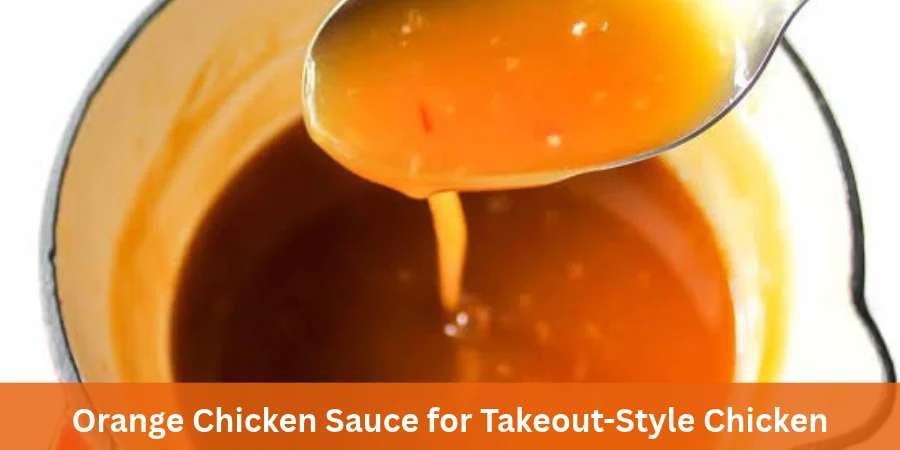
The finished sauce should coat the back of a spoon while remaining pourable. It should cling to chicken, shrimp, tofu, or vegetables without becoming a heavy paste.
The total cooking time after adding the sauce mixture is approximately 3–4 minutes, depending on the pan and heat level.
Step 5: Finish the Sauce
Remove the saucepan from heat.
Stir in:
– 1 teaspoon toasted sesame oil
Mix for about 10–15 seconds. The sesame oil adds a nutty aroma and gives the sauce a final layer of flavor.
Taste the sauce with a clean spoon, not one that has touched raw chicken or seafood, and adjust the seasoning if needed. If the sauce tastes too salty, start with 1 tablespoon of water. If it tastes too sharp, add ½–1 teaspoon of sugar. If it tastes too mild, increase the chilies in the next batch. Keep the final consistency glossy and lightly thickened.
The whole chilies and Sichuan peppercorn husks can stay in the sauce. They are there for flavor, not for eating, so the chilies can be moved to the side of the plate when serving. For a smooth sauce, strain it through a fine strainer after adding the sesame oil. This also removes the garlic and ginger, and the final yield will be slightly smaller.
Step 6: Serve the Kung Pao Sauce
This recipe makes approximately 1 cup of sauce, which is enough for about 450 g (1 lb) of chicken, shrimp, tofu, or vegetables.
Serve the sauce immediately with:
- Chicken
- Shrimp
- Tofu
- Vegetables
For a stir-fry, add the sauce near the end of cooking. Toss until the ingredients are evenly coated and the sauce covers the food without becoming overly thick.
Cook the protein separately before adding the sauce. Cook chicken until it reaches a safe internal temperature of 165°F (74°C), and cook shrimp until they are opaque. The thickness of the sauce does not show that the protein is cooked.
If preparing the sauce ahead, allow it to cool completely. Transfer it to a clean, airtight glass jar and refrigerate. Use the stored sauce within 3–4 days.
The sauce may thicken as it cools, so add a small amount of water while reheating if needed to restore the pourable consistency.
Add-Ins and Variations
You can adjust Kung Pao Sauce according to your taste while keeping its main sweet, tangy, savory, and mildly spicy flavor balance.
Small changes can adjust the sweetness, heat, and texture without changing the overall character of the sauce.
Increase the Heat
For extra spice:
- Snip the dried chilies open and use them with their seeds
- Add ¼ teaspoon crushed red pepper flakes (approximately 0.5 g)
Whisk the chili flakes into the sauce base instead of adding them to the hot oil, because they can burn within seconds. Chili oil can also be added in a measured amount, but it increases the total oil in the sauce.
Add spicy ingredients gradually and taste the sauce as you adjust. This helps maintain balance between heat, sweetness, and tanginess. If you want more heat, increase the amount of chilies gradually in the next batch.
Adjust the Sweetness
If you prefer a sweeter sauce, increase the granulated sugar from 1 tablespoon to 1½ tablespoons (approximately 18–19 g).
This gives the sauce a stronger sweet-savory profile. Judge the sweetness by tasting the finished sauce as a whole, not by tasting the sugar alone.
Add Hoisin Sauce
Hoisin sauce is an optional addition that creates a sweeter flavor with a fermented note.
Because hoisin sauce changes the original flavor balance, add it gradually rather than replacing the main ingredients.
Add Crunch and Texture
For extra crunch, finish the dish with:
– Roasted peanuts
This addition provides nutty flavor and texture without changing the sauce itself.
Change the Protein or Vegetables
This sauce works well with:
- Chicken
- Shrimp
- Tofu
For vegetarian or vegan meals, pair it with:
- Broccoli
- Bell peppers
- Zucchini
- Shiitake mushrooms
Cook the protein and vegetables separately, then add the sauce near the end of cooking. Toss until everything is evenly coated. If the sauce becomes too thick, add a small amount of water to loosen it.
Tips for the Best Results
Sauté Garlic and Ginger Before Adding the Sauce
Briefly cooking garlic and ginger in oil helps soften their sharp flavors and releases their aroma. For the freshest flavor, prepare the sauce base ahead but mince garlic and ginger just before cooking.
Use low-sodium soy sauce as the base of this recipe. Regular soy sauce can make the sauce too salty, which is especially noticeable when serving the sauce with salty toppings such as peanuts. This helps maintain better control over the final salt level.
Dissolve Cornstarch Properly
Before heating, whisk the cornstarch completely into the liquid until smooth. This helps prevent lumps and creates an even sauce consistency. Whisk the sauce mixture again before adding it to the pan because cornstarch can settle.
Balance the Flavor While Cooking
Taste the sauce as it cooks, using a clean spoon.
Adjust:
- Sugar for sweetness
- Vinegar for tanginess
- Chili ingredients for heat
Toasted sesame oil has a strong flavor, so measure carefully to avoid overpowering the other ingredients.
Adjust Spice Level
For a spicier sauce:
- Add more dried chilies
- Snip chilies to release seeds
- Add a small amount of chili oil
Adjust the amount gradually according to your preferred heat level.
Fix Common Issues
- If the sauce is too thick, whisk in 1 tablespoon of water over medium-low heat, and add another tablespoon only if needed.
- If the sauce is too thin, simmer it gently for another 30–60 seconds.
- If the sauce is too salty, add 1 tablespoon of water and taste again.
- If the sauce tastes bitter, the chilies, peppercorns, or garlic were probably burnt. Sugar does not reliably fix this, so use lower heat in the next batch.
Gluten-Free Option
For a gluten-free version:
Replace:
– Low-sodium soy sauce and dark soy sauce with certified gluten-free tamari (reduced-sodium tamari is preferred)
If you use regular tamari, start with 3 tablespoons of tamari in total and replace the remaining 1 tablespoon with water, then taste and adjust.
Use a gluten-free alternative to Shaoxing wine if needed. Check packaged ingredient labels to confirm they meet your dietary requirements.
When to Make Kung Pao Sauce?
Kung Pao Sauce is a useful choice when you want to add a balanced combination of savory, tangy, mildly sweet, and spicy flavors to a quick meal.
It takes about 15 minutes to prepare, making it practical for busy days when you want to add extra flavor to simple ingredients.
This sauce works well with:
- Chicken
- Shrimp
- Tofu
- Vegetables
Use it in stir-fries with chicken, bell peppers, broccoli, mushrooms, or other vegetables.
It also pairs well with stir-fried noodles, making it easy to create a flavorful meal without preparing a separate sauce.
For the best results, add the sauce toward the end of cooking. Toss the ingredients until they are evenly coated and the glossy sauce covers the food without becoming too thick.
You can also prepare the sauce ahead of time. Having it ready makes it easier to assemble a quick stir-fry when you are ready to cook.
Storage
Allow the sauce to cool completely before storing. Transfer it to a clean, airtight container and refrigerate.
For the best quality, use the sauce within 3–4 days. When ready to use, heat the amount needed in a small saucepan over low to medium-low heat.
Stir continuously while reheating. If the sauce has thickened during storage, add 1–2 teaspoons of water and stir until it becomes pourable again.
Use the warmed sauce with:
- Rice
- Noodles
- Chicken
- Shrimp
- Tofu
- Vegetables
Avoid leaving the sauce at room temperature for extended periods. Discard the sauce if you notice unusual smell, visible mold, or unexpected changes in appearance.
Notes
Adjust the spice level of this Kung Pao Sauce according to your preference. The amount of dried chilies, chili flakes, or other spicy ingredients can be increased or reduced depending on the heat level you enjoy.
If adding extra chili heat, add it gradually. Once the heat is mixed into the sauce, it cannot be removed, so small adjustments help maintain the flavor balance.
Fresh garlic and ginger can be adjusted based on the flavor intensity you prefer. Sautéing them briefly before adding the sauce helps soften their raw sharpness and develops a deeper aroma.
For meal preparation, make the sauce ahead and store it in an airtight container in the refrigerator. Proper storage helps keep the sauce fresh for 3–4 days.
The sauce may thicken after cooling. When reheating, add a small amount of water and stir until it reaches a pourable consistency again.
Use this sauce with:
- Chicken
- Shrimp
- Tofu
- Vegetables
- Rice
- Noodles
Keep the final sauce glossy and lightly thickened. It should coat the ingredients evenly without becoming a heavy paste that hides their individual flavors.
Nutritional Information
One serving of Kung Pao Sauce is approximately 2 tablespoons (30 ml), based on one-eighth of the full batch.
Each serving contains approximately:
- 38 calories
- 2.5 g total fat
- 0.3 g saturated fat
- 3.2 g carbohydrates
- 0.2 g fiber
- 1.6 g sugar
- 0.5 g protein
- 340 mg sodium
These nutrition values are estimates based on the listed ingredients and typical nutrition data. Actual values may vary depending on:
- Soy sauce brand
- Cooking wine used
- Ingredient quantities
- Evaporation during cooking
- Final sauce yield
These estimates apply to the base Sichuan-inspired recipe only. Optional variations and additional ingredients are not included in these calculations.
Serving note: In a stir-fry made with 450 g of protein or vegetables, the full batch (approximately 1 cup) is usually divided into 4 portions, so each portion receives about ¼ cup of sauce. That equals 2 of the servings listed above, or approximately 76 calories and 680 mg sodium from the sauce.
Frequently Asked Questions
What Makes This Easy Kung Pao Sauce Recipe Worth Making?
This homemade Kung Pao Sauce brings together savory, sweet, tangy, and spicy flavors in a balanced way.
It works well with stir-fries, rice, and noodles while giving homemade meals a restaurant-inspired flavor.
Making the sauce from scratch allows better control over:
- Sweetness
- Saltiness
- Thickness
- Spice level
The recipe takes approximately 15 minutes from preparation to cooking, making it a practical option for quick meals.
Can I Make This Sauce Ahead of Time?
Yes, you can prepare this sauce ahead of time. Once cooked, allow the sauce to cool completely before transferring it to an airtight container. Store it in the refrigerator and use it within approximately 3–4 days.
If preparing the uncooked sauce base, keep it in the refrigerator and use it the same day. Stir well before cooking because the cornstarch may settle. This helps restore the sauce consistency before heating.
Does the Sauce Thicken on Its Own?
Yes. The sauce thickens when heated because the cornstarch activates during cooking. Stir the sauce while heating until it becomes glossy and lightly thickened.
The finished sauce should coat the back of a spoon while remaining pourable. Remember that the sauce can continue thickening slightly as it cools.
Can I Freeze Kung Pao Sauce?
Freezing is possible, but it may affect the final texture. Cornstarch-based sauces can sometimes separate or become slightly different in consistency after thawing. If freezing is needed, store the sauce in portions.
After thawing, stir well and gently reheat while mixing. Refrigeration is the preferred storage method when maintaining the original texture is important.
Is This Sauce Spicy?
The sauce is designed to have mild-to-moderate heat depending on the ingredients used. The spice level can be adjusted by changing the amount of:
- Dried chilies
- Chili flakes
Start with a smaller amount and increase gradually after tasting. This allows you to control the heat without overpowering the savory and tangy flavors.
Is This Sauce Gluten-Free?
The recipe can be adapted to be gluten-free. Replace:
– Low-sodium soy sauce and dark soy sauce with certified gluten-free tamari (reduced-sodium tamari is preferred)
Check all packaged ingredients carefully to confirm they meet your dietary requirements.
Is Kung Pao Sauce Vegetarian?
Yes, this sauce can be vegetarian when prepared with water or vegetable-based ingredients instead of non-vegetarian additions.
It works well with:
- Tofu
- Mushrooms
- Broccoli
- Bell peppers
- Mixed vegetables