Hoisin Sauce
Hoisin sauce is known for its sweet, salty, and umami flavor, making it a useful addition to many Asian-inspired dishes.
Traditional versions in Chinese cooking are commonly associated with ingredients such as soybeans, garlic, red chili peppers, vinegar, and sometimes five-spice powder.
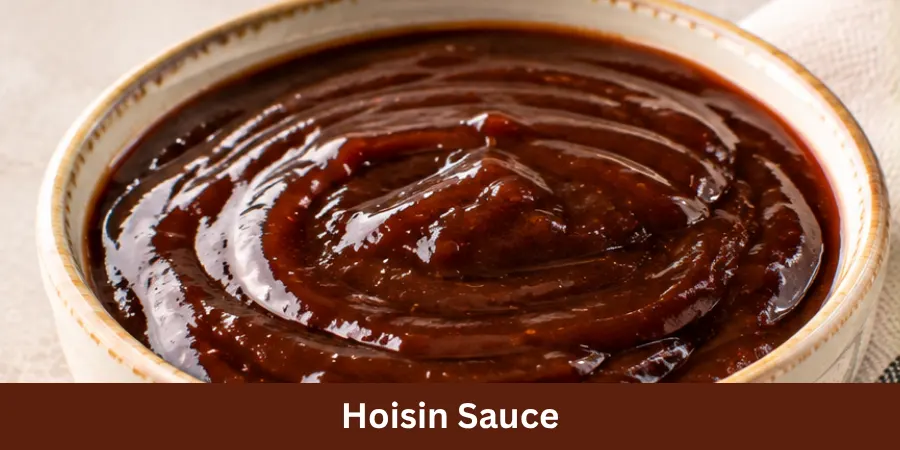
The sauce has a thick texture, strong fragrance, and a balanced salty-sweet taste with savory and nutty notes.
Hoisin Sauce-The Short Answer
This homemade variation takes that familiar flavor profile and builds it with practical ingredients that are easy to find at a local grocery store.
It works well as a dipping sauce, marinade, or glaze for meats and can also be added to stir-fries, vegetables, and sautéed meats.
The combination of peanut butter, brown sugar, garlic, and vinegar gives the sauce body, sweetness, acidity, and depth.
The finished recipe can also be used as a moo shu sauce or a sauce for stir-fry dishes.
I especially like it for a quick Asian takeout-style dinner because it adds delicious flavor to meat and vegetable dishes without requiring complicated preparation.
This homemade version comes together in 5 minutes with a simple no-cook method, giving you a rich, smooth sauce that is easy to use right away or rest before serving for a more balanced flavor.
It can work as a stand-alone dip, marinade, or glaze while also serving as an Asian-inspired alternative to barbecue sauce.
Compared with store-bought options, this simplified recipe gives you more control over the balance of sweet, salty, and savory flavors while keeping the preparation quick and practical.
What Is Hoisin Sauce?
Hoisin sauce is a rich Asian sauce and condiment with a sweet and savory taste and a naturally thick texture.
It is often compared with soy sauce, but the combination of ingredients gives it a deeper flavor profile and a more distinctive character.
Garlic, sriracha, and seasoning add savory and spicy notes, while the other ingredients help create its recognizable flavor.
The sauce also has a smooth texture that clings well to food. Peanut butter, sesame oil, and rice vinegar each contribute something different to the mixture.
Peanut butter adds richness and creamy body, while sesame oil brings a mild nutty note. Rice vinegar adds acidity that balances the sweetness and keeps the sauce from tasting flat.
Together, these ingredients create a smooth sauce consistency with a noticeable peanut and sesame character.
I find this balance especially useful when using hoisin sauce in dishes that need more depth without adding several separate sauces.
Its garlic flavor works alongside the spice, while the pepper flavor adds another layer to the overall taste.
The result is a fuller sauce with more complexity than a simple soy-based sauce.
Why You’ll Love This Hoisin Sauce
I find homemade sauces are much better when you want more control over the flavor.
This hoisin sauce is easy to make because it combines classic ingredients and common pantry staples into a rich sauce that can improve many dishes.
Unlike many store-bought sauces, this homemade version is not one-note or overly sweet.
Instead, it has deeper savory, nutty, and earthy flavors that create a more balanced taste.
With 11 ingredients, you can prepare this sauce in just a few minutes, with the preparation ready in 5 minutes.
After mixing, the sauce benefits from resting so the garlic can mellow and the flavors can blend more fully.
I like that you can use it throughout the week, whether you need a quick marinade, moo shu sauce, or stir-fry sauce.
It is versatile enough for dipping, glazing, and stir-fry applications without making the preparation complicated.
Ingredients Needed
¼ cup low-sodium soy sauce (approximately 60 grams)
1 teaspoon white miso paste (approximately 6 grams)
1 tablespoon molasses (approximately 20 grams)
1 tablespoon packed brown sugar (approximately 13 grams)
2 tablespoons smooth peanut butter (approximately 32 grams)
1 tablespoon rice vinegar (approximately 15 grams)
1 teaspoon toasted sesame oil (approximately 4.5 grams)
1 small garlic clove, finely grated (approximately 3 grams)
2 teaspoons sriracha sauce (approximately 10 grams)
½ teaspoon Chinese five-spice powder (approximately 1 gram)
2 tablespoons water (approximately 30 grams)
Ingredients Notes
The base of this homemade hoisin sauce starts with low-sodium soy sauce, which provides the main salty and umami foundation.
The recipe uses ¼ cup soy sauce, approximately 60 grams, to create the savory base while keeping the overall flavor balanced.
White miso paste adds fermented umami and earthiness without overpowering the sauce.
The final formula uses 1 teaspoon white miso paste, approximately 6 grams, to add more depth and complexity.
For sweetness and body, molasses provides deep sweetness and rich flavor, while brown sugar rounds out the sweetness.
The recipe uses 1 tablespoon molasses, approximately 20 grams, and 1 tablespoon packed brown sugar, approximately 13 grams.
Together, these ingredients help create the familiar sweet and savory balance associated with hoisin sauce.
Peanut butter is an important ingredient because it provides thickness, creamy body, nutty flavor, and additional umami.
The recipe uses 2 tablespoons smooth peanut butter, approximately 32 grams.
Using smooth peanut butter helps create a sauce with an even texture that blends easily with the other ingredients.
The sauce also needs acidity and aroma.
Rice vinegar provides tang and acidity, helping balance the sweetness, while toasted sesame oil adds a nutty flavor and characteristic aroma.
The formula uses 1 tablespoon rice vinegar, approximately 15 grams, and 1 teaspoon toasted sesame oil, approximately 4.5 grams.
Garlic provides a strong savory flavor and slightly pungent character.
The recipe uses 1 small garlic clove, approximately 3 grams, finely grated.
Finely grating the garlic helps it distribute evenly throughout the sauce and creates a smoother texture.
Sriracha sauce adds controlled spiciness and heat.
The recipe uses 2 teaspoons, approximately 10 grams, although the amount can be adjusted depending on your preferred spice level.
Chinese five-spice powder provides aromatic complexity and earthy notes, with ½ teaspoon, approximately 1 gram, used in the formula.
Finally, water helps reach the desired consistency.
The recipe uses 2 tablespoons, approximately 30 grams, to loosen the concentrated ingredients and create a thick but pourable sauce with a glaze-like texture.
Cornstarch is not included in this final formula because the no-cook version relies on the natural body provided by peanut butter, miso, and molasses.
How to Make Hoisin Sauce
For this quick and easy hoisin sauce recipe, gather all the ingredients first so the mixing process is smooth.
If your peanut butter is cold from the refrigerator, let it sit at room temperature for about 10 minutes first — this helps it blend in smoothly instead of leaving small lumps in the finished sauce.
In a bowl, whisk together the soy sauce and white miso paste until fully combined. Add the molasses and brown sugar and whisk again until smooth. Add the peanut butter and mix well until it’s fully incorporated with no visible lumps — this step takes a little longer than the others, so give it an extra minute of whisking if needed. Then add the rice vinegar, sesame oil, finely grated garlic, sriracha, and Chinese five-spice, and whisk until everything is evenly blended.
Gradually add the water while whisking until the sauce reaches a thick but pourable consistency.
Adding the water slowly makes it easier to control the texture and prevents the sauce from becoming too thin.
The finished sauce should coat the back of a spoon and fall off in a slow, thick ribbon rather than dripping thinly — that’s a good visual cue that it’s ready.
The finished sauce should have enough body to work as a dip, glaze, or marinade while still being easy to pour.
Transfer the sauce to a clean jar or storage container with a lid.
Store it in the refrigerator and let it rest for at least 2 hours before serving, ideally overnight.
This resting time allows the garlic to mellow and gives the miso and five-spice flavors more time to blend into a rounded sauce.
If the sauce becomes too thick after chilling, add a small amount of water and stir until it reaches the desired consistency.
The texture can be adjusted gradually without changing the flavor balance of the sauce.
Once rested, the sauce works as a flavor booster for stir-fries and pairs well with noodles and rice dishes.
Use it as a dipping sauce or spoon a few tablespoons over chicken, another protein, or vegetables as a glaze.
Pour only the amount you need from the jar and return the remaining sauce to the refrigerator.
The sauce can be stored for up to 2 weeks when kept refrigerated in an airtight container.
Keeping it properly sealed helps maintain its texture and flavor during storage.
Variations To Try
This homemade hoisin sauce can be adjusted based on your preferred balance of sweetness, spice, and savory flavor.
For a sweeter version, increase the brown sugar from 1 tablespoon to about 1 tablespoon plus 1 teaspoon (roughly 17 grams), keeping the molasses the same. Taste and adjust the final consistency with a touch more water if needed.
For a spicier sauce, increase the sriracha sauce from the listed 2 teaspoons to about 2½–3 teaspoons.
This gives the sauce more heat while keeping its familiar sweet and savory character.
For a more pungent and savory flavor, add another garlic clove or an additional ½ teaspoon of miso paste.
Extra garlic creates a sharper savory note, while additional miso adds more depth and a fuller flavor.
Make these adjustments gradually so the added ingredients do not overpower the overall balance of the sauce.
How to Use Hoisin Sauce
Hoisin sauce is a versatile ingredient to keep on hand because it works well in several everyday dishes.
If you are getting comfortable using it, try it as a glaze or marinade for meats, tofu, shrimp, or salmon.
It also works well with grilled chicken and other proteins, adding savory flavor with little extra seasoning.
For moo shu-style dishes, serve it alongside the other ingredients.
Hoisin sauce can also be added to a stir-fry with meat and vegetables in a wok, where it becomes part of the sauce as everything is tossed together.
It pairs well with noodles and rice dishes as a simple flavor enhancer. As a dipping sauce, it works well with dumplings, egg rolls, spring rolls, and wontons.
For quick meals, spread a small amount on a sandwich or wrap to add a savory and slightly sweet flavor.
It also works as a finishing sauce for roasted vegetables. Drizzle a little over the vegetables just before serving to add more depth.
For stir-fries, add it toward the final stage rather than cooking it for too long. As a marinade, it can be used with chicken before frying or grilling.
The same sauce can move easily between dipping, marinating, glazing, and finishing applications while keeping the preparation simple.
Its versatility makes it useful for adding a balanced sweet, savory, and umami flavor to different meals without changing the basic cooking method.
Storage
Once hoisin sauce is made, store it properly to help keep its flavor and quality fresh. For unused sauce, keep it refrigerated for up to 2 weeks.
An airtight glass jar works well, although an airtight container or storage container can also be used. Keep the sauce refrigerated rather than relying on the freezer.
Some separation may occur during storage, so mix, shake, or stir the sauce before serving.
A quick stir is usually enough to bring the sauce back to an even consistency. When using the sauce, always use a clean spoon or cooking utensil for extraction.
Contact with food can allow bacteria to grow inside the container. Avoid leaving the sauce unrefrigerated for too long.
Keeping it properly sealed and refrigerated helps maintain its quality during the recommended storage period.
Tips and Tricks
For an easy homemade sauce, pay attention to the consistency as you mix the ingredients.
If it becomes too thick, add water one tablespoon at a time until it reaches a smooth texture.
The finished sauce should be thicker rather than watery but still easy to pour and use.
I prefer letting the sauce rest before serving because the flavors become more balanced as it sits.
The peanut butter and white miso add rich savory depth, while the miso brings a subtle fermented flavor without overpowering the other ingredients.
For a deeper flavor, finely grate the garlic and mix it evenly into the sauce.
If you want a milder garlic taste, lightly blooming it before adding can soften its sharpness.
The molasses gives the sauce its deep color and rich flavor while helping create a taste similar to store-bought versions.
For more spice, adjust the sriracha according to your preferred heat level.
An added kick can also come from ⅛ teaspoon of crushed red pepper flakes.
These small adjustments let you change the heat and texture without taking away from the balanced flavor of the sauce.
Notes
When making hoisin sauce, keep in mind that the nutrition information is an estimate and can vary depending on the specific products and brands used.
Ingredients such as soy sauce, miso, peanut butter, molasses, and sriracha can have different nutritional values, so the actual calories may vary.
For more heat, add a small amount of crushed red pepper flakes and adjust it to your preferred spice level.
This optional addition increases the spiciness without changing the main flavor balance of the sauce.
Nutrition Insight
A 1 tablespoon serving of this hoisin sauce contains about 40 kcal.
Each serving provides:
4.8 g carbohydrates
1.2 g protein
1.9 g fat
0.4 g saturated fat
0.5 g fiber
3.0 g sugar
It also contains:
365 mg sodium
65 mg potassium
0 mg cholesterol
The nutrition information is automatically calculated from the specific recipe formula, so it should be treated as an approximation.
The serving size is approximately 15 g, and the full batch yields about 13 servings.
Actual values can vary slightly depending on the exact brands of soy sauce, miso, peanut butter, molasses, and sriracha used.
Frequently Asked Questions
Can I make it vegan?
Yes. For a vegan version, you can swap the brown sugar for coconut sugar and keep the molasses as is — both are plant-based already, so this recipe is naturally vegan-friendly as written.
Is this sauce gluten free?
The sauce can be made gluten-free, but you need to check the ingredients you use.
The recipe contains soy sauce, so choose a gluten-free soy sauce, tamari, or liquid aminos if you need to avoid gluten.
Is homemade healthier than store bought?
Homemade sauce gives you more control over the ingredients and their quantities compared with store-bought sauce.
You can adjust the amount of sugar and salt to suit your preference. Whether it is healthier depends on the ingredients and quantities used.
What can I use instead of this sauce?
There is no exact replacement, but oyster sauce can work in some recipes. Use it sparingly and taste as you season because its flavor is different.
If a recipe calls for only a tablespoon or two of hoisin sauce, soy sauce with a little sugar can be a practical option.